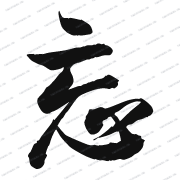
忘 (wàng) — Forget
Single-character Chinese tattoo · verified meaning · bold personal statement
Browse all 忘 glyphs ↗Meaning & Nuance
忘 (wàng) means “to forget” and, by extension, release. It combines 亡 (to lose / perish) with 心 (heart), literally “the heart letting go”—a resonant image for moving on. In Chinese 忘 appears in 忘记 (forget) and 难忘 (unforgettable), and the Daoist phrase 坐忘 (zuòwàng, “sitting in forgetfulness”) turns it into a spiritual practice of emptying the mind. It is not merely negative; forgetting can be freeing.
Pronunciation & Form
Pinyin: wàng — a fourth tone, a strong falling pitch, decisive and downward, like closing a door. The tone fits a word about setting something down.
Common Words & Phrases
Why Get 忘 as a Tattoo
忘 is a striking, less-common tattoo choice that speaks of release—letting go of pain, a past, or an old self. Far from being “negative,” it reads as empowerment: choosing not to carry what weighs you down. The character is bold and balanced, holding up well at any size, and it sparks conversation precisely because it is unexpected. People choose 忘 to mark recovery, forgiveness, or a fresh start.
Tattoo Style & Placement
Best fits: bold line, traditional brush, or blackwork. 忘 is visually strong and works as a medium-to-large single character. Placements: forearm, upper arm, rib, or back. A confident 忘 on the inner forearm makes a statement; pair with 我 (wàngwǒ, selfless) themes if desired. Keep the top 亡 distinct from the 心 base so the two ideas read clearly.
Authenticity & Cultural Note
Always confirm the character with a native speaker or linguist before inking. 忘 is sometimes misread by translation tools as “forget” vs “lose;” handmade.ink verifies it as “to forget / let go,” ensuring your tattoo conveys release, not accidental loss.
Frequently Asked Questions
What does the Chinese character 忘 mean?
How do you pronounce 忘?
Is 忘 a good tattoo if I want to move on?
What words use the character 忘?
What is the difference between 忘 and 记?
Does 忘 have a spiritual meaning?