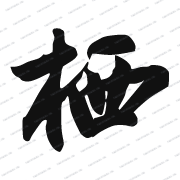
栖 (qī) — Perch / Dwell
Single-character Chinese tattoo · verified meaning · a place to rest
Browse all 栖 glyphs ↗Meaning & Nuance
栖 (qī) means to perch or dwell — a bird settling on a branch, or a person finding a place to rest. It suggests temporary peace and rootedness at once. It differs from 居 (jū, to reside) in being lighter and more transient — a perch rather than a permanent home. (In 栖栖 it reads xī, meaning restless, but as 'perch' it is qī.)
Pronunciation & Form
Pinyin: qī — a first tone (high, level) syllable, even and light, held without rising or falling.
Common Words & Phrases
Why Get 栖 as a Tattoo
栖 is a tattoo of finding rest — a quiet 'I have landed' after wandering. It reads as 'perch / dwell' and is soothing beside bird, tree, or home imagery. People choose 栖 to mark settling down, recovery, or a safe place they've finally found.
Tattoo Style & Placement
Fine-line, nature-script, or minimalist styles. Placements: forearm, wrist, shoulder, or collarbone. A small 栖 near the wrist feels like a settled mark.
Authenticity & Cultural Note
Always confirm the character with a native speaker or linguist before inking. 栖 is easily confused with 洒 (sǎ, to sprinkle) and its traditional form 棲; a native-verified 栖 reads unambiguously as 'perch / dwell.' handmade.ink meanings are checked by native Chinese linguists so your ink says exactly what you intend.
Frequently Asked Questions
What does the Chinese character 栖 mean?
How is 栖 pronounced?
Is 栖 a good 'home / rest' tattoo?
What words use the character 栖?
How is 栖 different from 居?
Is there a traditional form?