
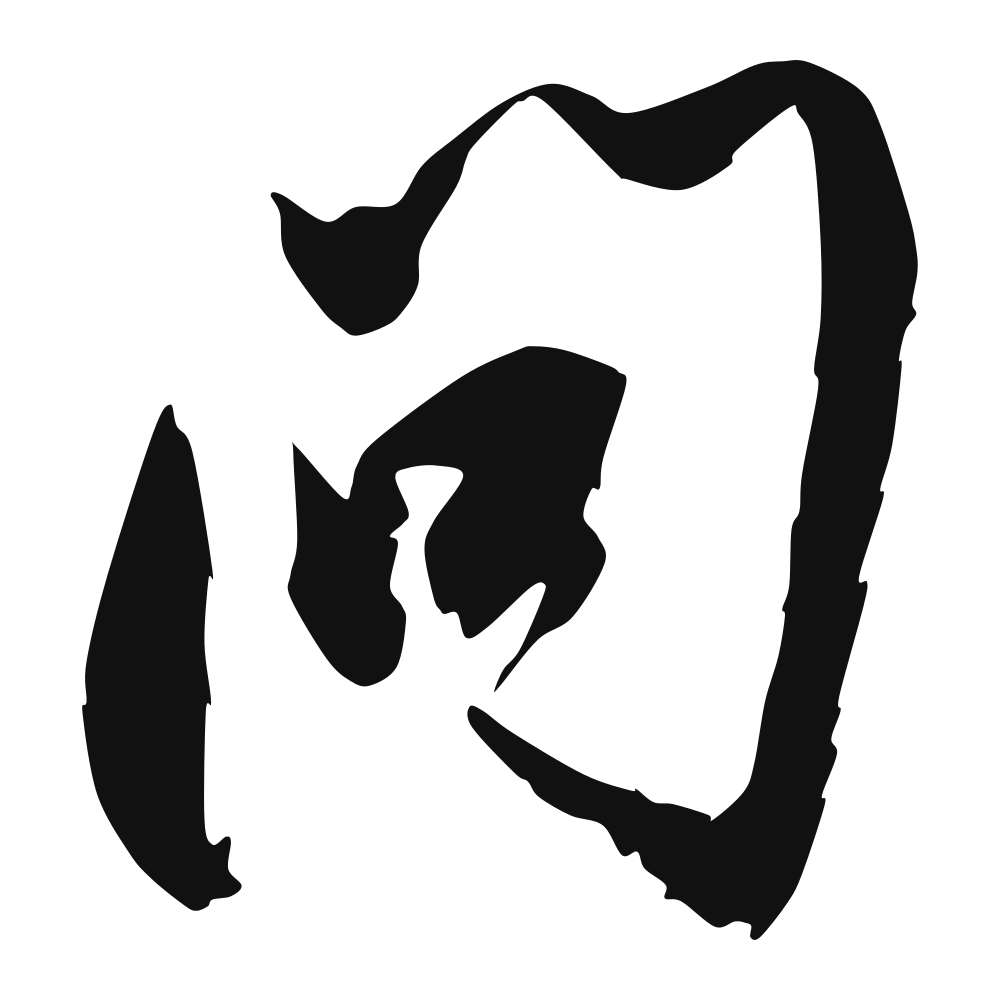
The Calligrapher — Wáng Xīzhī 王羲之
The 'Sage of Calligraphy'; his running script has set the standard for 1,700 years.
Eastern Jin calligrapher (303–361), master of running script/cursive script/regular script — the Sage of Calligraphy; his Orchid Pavilion Preface is the most celebrated work in the tradition, and nearly every later master traces lineage to his hand. Eastern Jin dynasty
Cultural Story
問 places a mouth 口 at a gate 門, picturing words offered at a threshold, an inquiry made of those within. 《説文解字》 gives 問, 訊也, “to question, to ask after.” The gate setting suits a visitor seeking news or a student pressing a teacher, so the character has always carried the civil, social act of asking and being answered.
Common words & phrases
- 问题 problem · question
- 询问 ask · inquire
- 提问 ask · question
- 访问 visit · interview
- 问候 greet · send regards
- 学问 learning · knowledge
Read the story behind the character
A 问题 is the problem or question we puzzle over, and we 询问 a clerk or 提问 in class. To 访问 is to visit and interview, to 问候 is to send regards, and 学问 is deep learning itself. From a child's “why” to a journalist's probe, 问 remains the character of curiosity, the mouth at the door that will not stay silent.
Why this character belongs on skin
A door with a mouth beneath it—that is how the ancients drew 问, the question posed at the threshold, the knock before the answer. To ask is to admit you do not already know, which may be the most courageous posture a person can hold. We are trained instead to perform certainty, to confuse the loudest voice with the truest. But every real turning in a life began with a question no one had authorized: is this love? Is this mine? What else is possible? The character sits at the gate between what you know and what waits. To wear it is to keep yourself perpetually at the threshold, forever knocking, forever curious. The unexamined mark is not worth inking. Ask better than you answer, and the door will open.
Own this character
Purchase delivers the original SVG of this glyph, brushed by Wáng Xīzhī 王羲之, ready to place on skin, paper, or screen.