
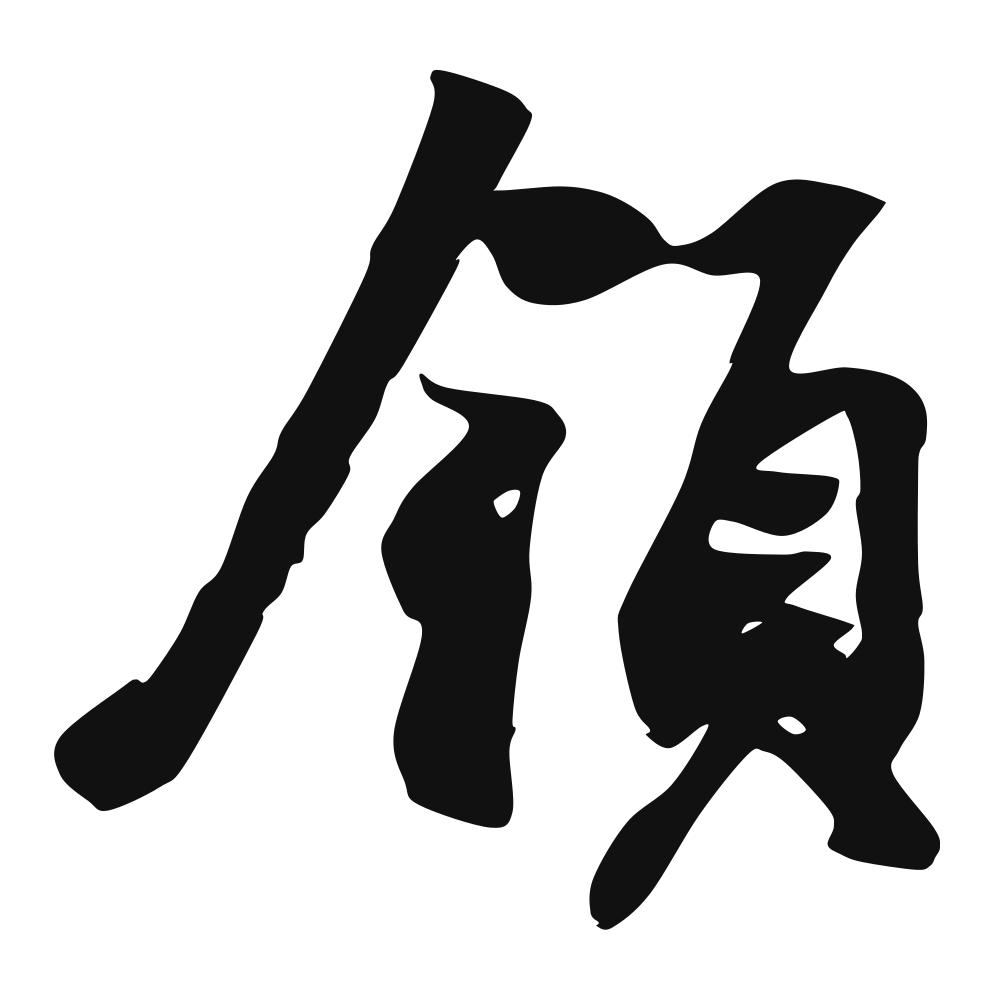
领
neck; collar; to lead; to receive
Closest English meanings
neck·collar·lead·receive
The Calligrapher — Wáng Xīzhī 王羲之
The 'Sage of Calligraphy'; his running script has set the standard for 1,700 years.
Eastern Jin calligrapher (303–361), master of running script/cursive script/regular script — the Sage of Calligraphy; his Orchid Pavilion Preface is the most celebrated work in the tradition, and nearly every later master traces lineage to his hand. Eastern Jin dynasty
Cultural Story
领 builds on 頁 'head' with 令 as sound, meaning the neck and the collar that wraps it. 《說文》 says 領 is 頸也, 'neck.' From the neck that leads the body it became to lead, and the 令 'command' sound hints at authority over those who follow.
Common words & phrases
- 领导 lead · leader
- 领取 receive · collect
- 领域 field · domain
- 领巾 scarf
- 领带 tie
- 带领 lead · guide
Read the story behind the character
领 is neck, collar, and lead: 领导 a leader, 领取 to receive a package, 领域 a field of study, 领巾 a scarf, 领带 a necktie, and 带领 to guide. A manager 带领 the team; a child ties a red 领巾 for school.
Why this character belongs on skin
The neck is where the body follows the head, and from that single hinge the word grew to mean the collar, the leading, the taking hold of what is offered. To lǐng is to receive, to guide, to step to the front where the eyes of others land. The general leads his column through the pass. The father leads his frightened child across the road. The Confucian ideal is the leader who is followed because he has first mastered himself. But to lǐng is also simply to accept what life hands you, the news, the task, the unwelcome turn, and carry it forward. A man who wears this ink has been first in the line more than once, and has paid the price of being seen. Let it mark the nape, where the head turns the body, and let it declare: I took the lead when it was given, and the ones behind me are still walking because I did not look back.
Own this character
Purchase delivers the original SVG of this glyph, brushed by Wáng Xīzhī 王羲之, ready to place on skin, paper, or screen.