
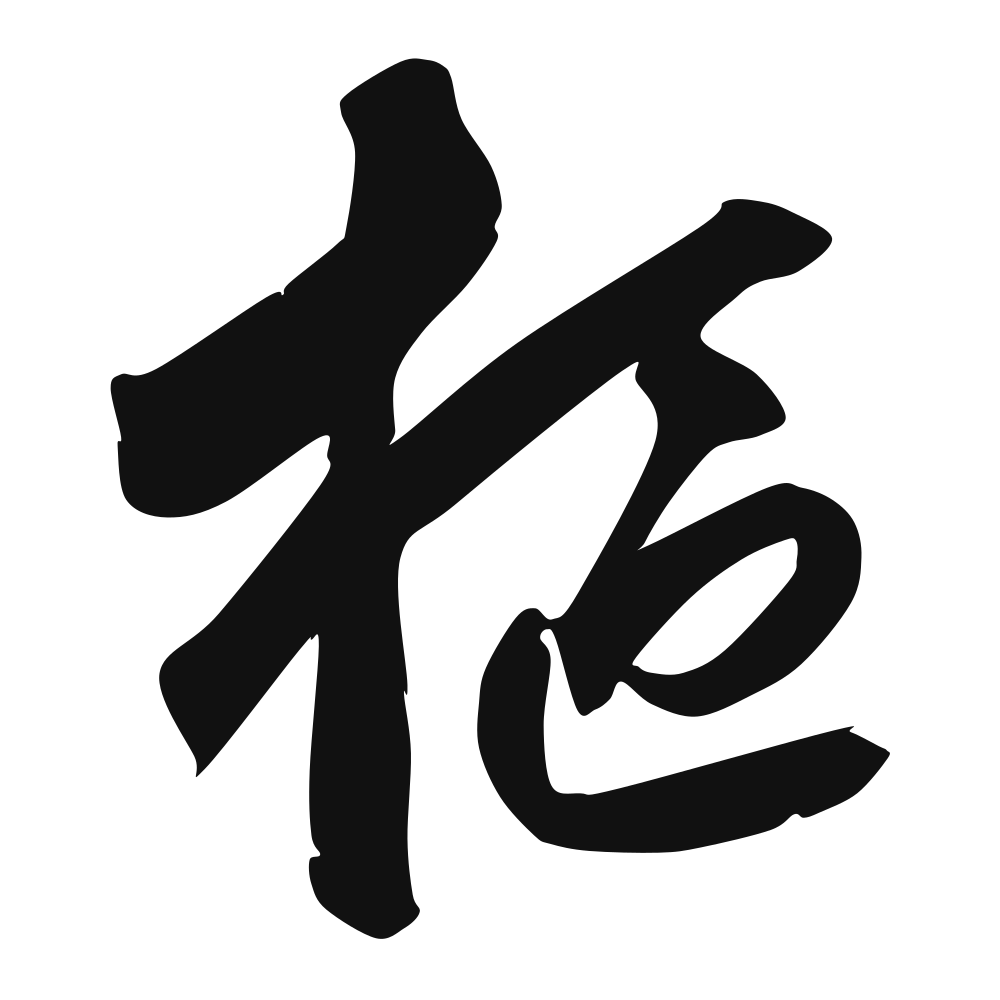
枢
(bound form) hinge; pivot (usu. fig.)
Closest English meanings
pivot·hinge·hub·center
The Calligrapher — Xiānyú Shū 鲜于枢
Yuan master of fluent running and cursive script.
Yuan calligrapher (1246–1302), master of running script/cursive script — known for 《石鼓歌》. Yuan dynasty
Cultural Story
枢 is the door's pivot, the pin that lets a panel swing — and the 呂氏春秋 notes a 户枢不蠹, a door hinge never rots because it keeps moving. The character rose to mean any center of turning: the 中枢 of government, the 枢纽 of a road network. Stillness rots; the pivot lives by constant motion.
Common words & phrases
- 枢纽 hub · pivot · key point
- 中枢 center · hub
- 户枢 door pivot · hinge
Read the story behind the character
枢 is the word for the crucial node: 枢纽 the transport hub a city brags about, 中枢 the command center in a crisis report. 户枢 survives as the proverb about staying active. The character left the carpenter's door for the planner's map, the syllable marking the point everything turns on.
Why this character belongs on skin
Everything turns on a thing too small to notice. The hinge, the pivot, the single point where a door becomes a threshold — this is the axis of the whole. The Daoist sage sits at the hinge of the world, unmoving, and lets ten thousand things swing past without taking his shape. To be the hinge is to be the quiet center that bears the motion of everyone else, the joint that does not itself pass through the door yet makes the passing possible. Ink this at the joint of your own body — the elbow, the shoulder, the place where you bend — and let it name the role you rarely claim: the still point. A character for the one who holds the frame while others move through it, and asks for no passage of his own.
Own this character
Purchase delivers the original SVG of this glyph, brushed by Xiānyú Shū 鲜于枢, ready to place on skin, paper, or screen.