
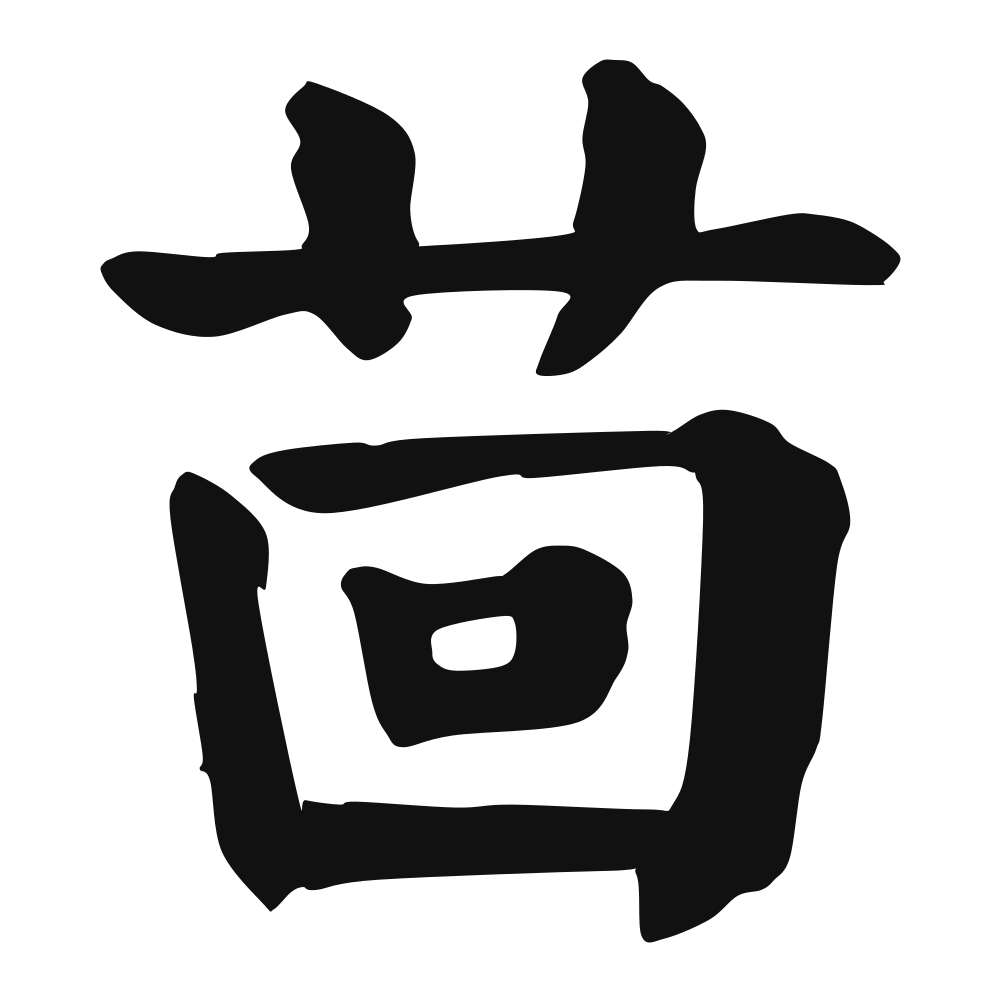
The Calligrapher — Yán Zhēnqīng 颜真卿
Tang master of robust regular script; co-creator of the enduring 'Yan style'.
Tang calligrapher (709–784), master of regular script/running script — the Tang moral paragon whose upright, muscular regular script became the model of Chinese integrity in writing. Tang dynasty
Cultural Story
茴 combines the grass radical with 回, 'to return or coil', a nod to the spice's whorled, curling seeds and feathery foliage. It names fennel, the aromatic herb that flavored ancient stews and wines. The character owes its fame to Lu Xun's story 'Kong Yiji', where a shabby scholar insists there are four ways to write 茴 while nursing aniseseed beans in a Shaoxing tavern — pedantry and pathos in one small character.
Common words & phrases
- 茴香 fennel
- 八角茴香 star anise
Read the story behind the character
In northern kitchens 茴香 is chopped into dumpling filling, its licorice scent steaming out of the pot on winter evenings. Braised pork belly surrenders to 八角茴香, star anise, dark points sinking into the broth. And in Shaoxing, tourists still order a plate of fennel-flavored 茴香豆 at the tavern from the story, cracking the beans over rice wine and photographing the copper statue of Kong Yiji outside.
Why this character belongs on skin
Fennel—茴—is the character Kong Yiji loved, the ruined scholar in Lu Xun's story who knew the obsolete way to write it and insisted there were four styles of the character, as if erudition could pay his tab at the tavern. But the plant itself is older and kinder: feathery leaves, sweet seeds, a vegetable that returns year after year from its own root. 茴 is anise and slow digestion, the flavor of fish and of bread, the herb grandmothers swear by for every complaint. It contains 回, to return, and that is the secret architecture: fennel comes back, seasons come back, people come back. There is something quietly loyal in the character, something that distrusts fashion and trusts the perennial. Ink 茴 if you are the one who returns—after quarrels, after distance, after years—and if you have learned that sweetness, like the seed, is strongest after it has dried. Small, maybe behind the ear. A plant, a promise, a joke against forgetting.
Own this character
Purchase delivers the original SVG of this glyph, brushed by Yán Zhēnqīng 颜真卿, ready to place on skin, paper, or screen.