
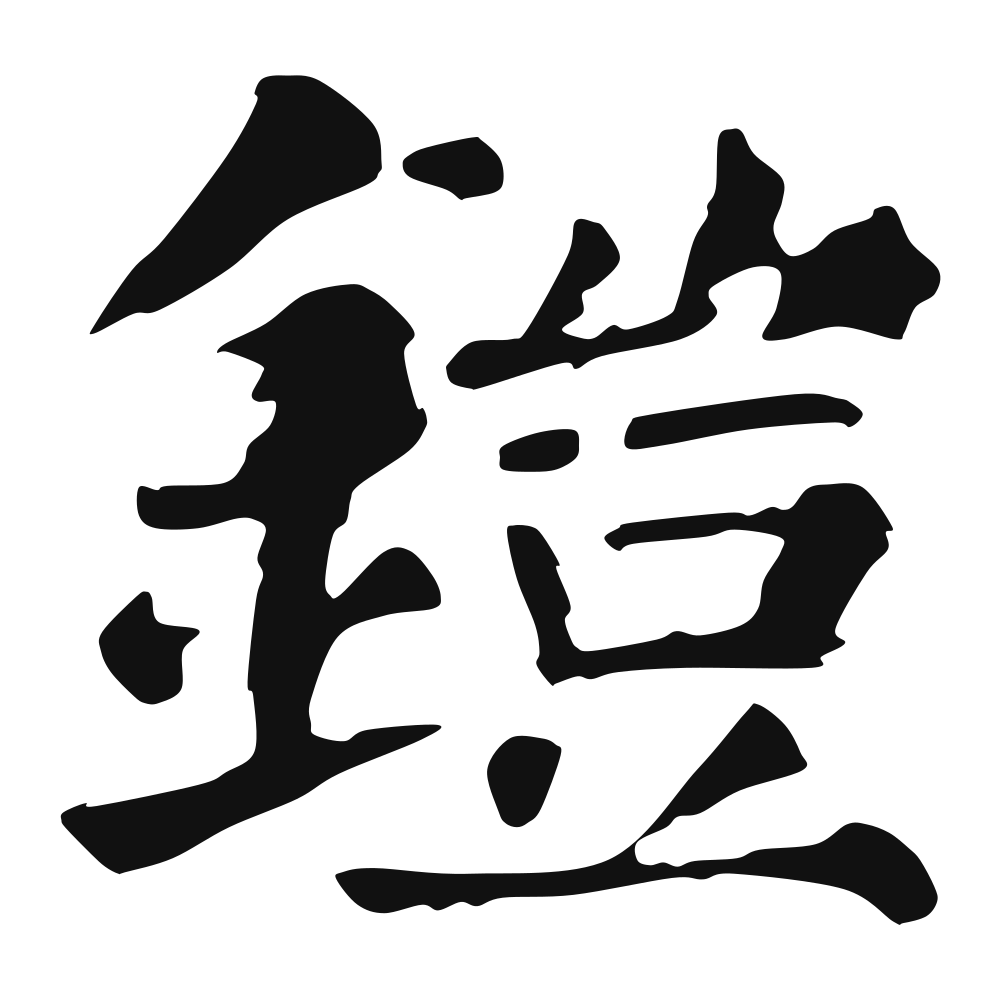
The Calligrapher — Yán Zhēnqīng 颜真卿
Tang master of robust regular script; co-creator of the enduring 'Yan style'.
Tang calligrapher (709–784), master of regular script/running script — the Tang moral paragon whose upright, muscular regular script became the model of Chinese integrity in writing. Tang dynasty
Cultural Story
铠 means armour, the metal radical with 豈. In the age of chariots and cavalry, warriors wore 铠甲 of linked scales or lacquered leather to turn aside the arrow and blade. It was protection forged for the battlefield.
Common words & phrases
- 铠甲 armor · suit of armor
- 铁铠 iron armor
Read the story behind the character
Today 铠 survives in historical dramas and games, where heroes don 铠甲 before the charge; 铁铠 evokes the heavy iron suit of a general. We also speak of emotional armour, the 铠 that guards a wounded heart in modern stories.
Why this character belongs on skin
Every warrior learns the same secret twice: armor protects, and armor weighs. 铠 is the character for that interlocking metal shell—the lamellar scales of a general riding into wind, each plate a small forgiveness for the blows that will come. But look closer at its construction: metal beside a character that means to open, to enlighten. The ancients hid a paradox inside the strokes: true armor is not the kind that closes you off; it is the kind that lets you remain open-hearted while standing in the path of harm. The Buddhist masters knew this—compassion, they said, is the only impenetrable garment. To wear 铠 as ink is to say something more interesting than I am tough: I have been struck, I chose to keep my heart fitted for battle but not for bitterness, and my scales are polished by survival, not rusted by it. Put it over the shoulder blade, where you cannot see it but everyone who approaches you can. Let it promise nothing except this—you will endure, beautifully, with the visor up.
Own this character
Purchase delivers the original SVG of this glyph, brushed by Yán Zhēnqīng 颜真卿, ready to place on skin, paper, or screen.