
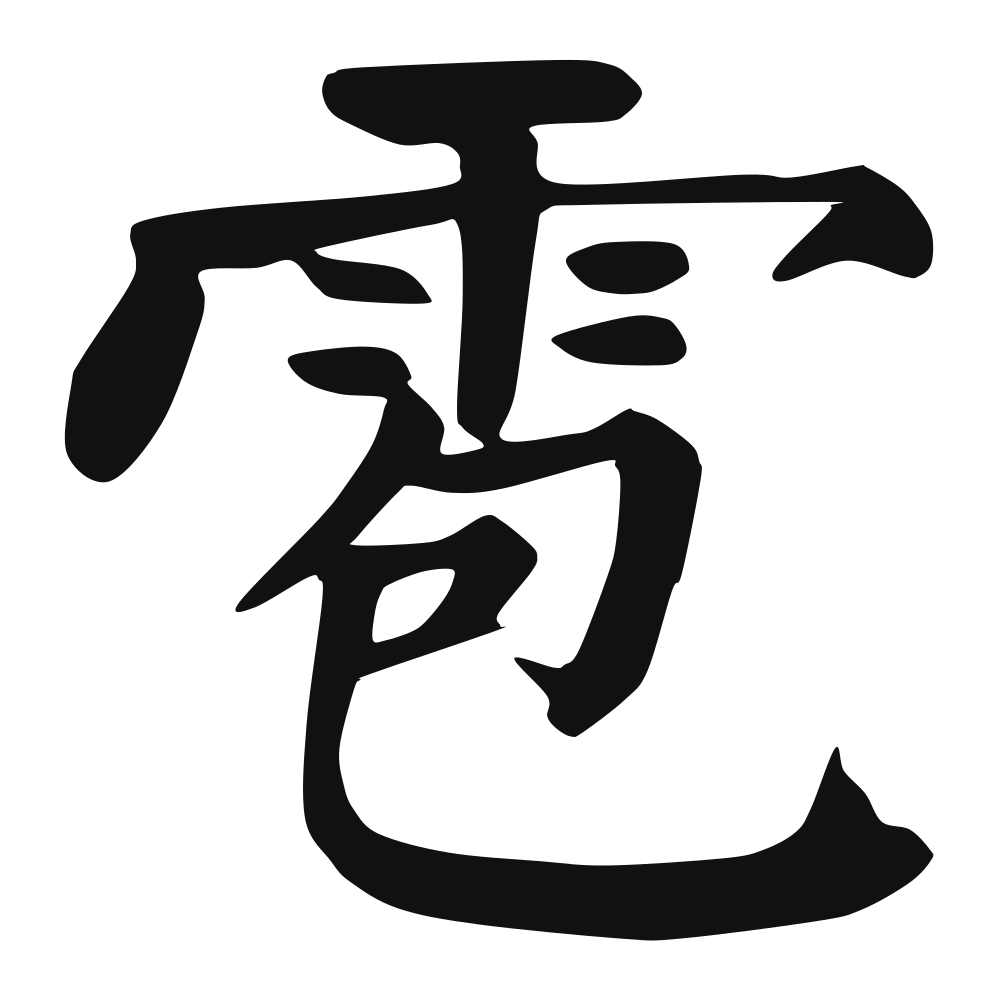
The Calligrapher — Yán Zhēnqīng 颜真卿
Tang master of robust regular script; co-creator of the enduring 'Yan style'.
Tang calligrapher (709–784), master of regular script/running script — the Tang moral paragon whose upright, muscular regular script became the model of Chinese integrity in writing. Tang dynasty
Cultural Story
The 'Book of Han' records a 雹灾 in the third month of a certain year that smashed the spring crops and was read by officials as a sign of court disorder. The 冰雹 in the annals was never merely weather but a voice from heaven commenting on the rulers. A bad 雹子 season could starve a district, and the historians noted each one as they noted a rebellion.
Common words & phrases
- 冰雹 hail · hailstone
- 雹灾 hail disaster
- 雹子 hailstone
Read the story behind the character
A farmer surveys the field after a 冰雹 storm has flattened the young wheat, the 雹子 the size of walnuts denting the truck's hood. The co-op files a 雹灾 claim with the insurer, listing the lost acres. At the co-op office a neighbor recalls a worse 雹子 year, and they agree the 冰雹 came with no time to cover the rows.
Why this character belongs on skin
Rain sealed into ice and thrown down hard—雹 is the sky losing its temper, the gentle radical for rain crowned with a shell of frozen violence. Hail is the harvest's oldest fear; the farmer stands at the window listening to the drumming on the roof and knows the season may be lost. And yet—here is the honest part—every field that survives a hailstorm was strong precisely where it was struck. The Bible told Job that hail was kept in storehouses for the day of battle; the Chinese farmer simply planted again. You have taken your own storms, the sudden white fury from a clear sky. Ink 雹 over old scar tissue or on the shoulder that took the blow. It is not the storm you carry. It is the standing field.
Own this character
Purchase delivers the original SVG of this glyph, brushed by Yán Zhēnqīng 颜真卿, ready to place on skin, paper, or screen.