
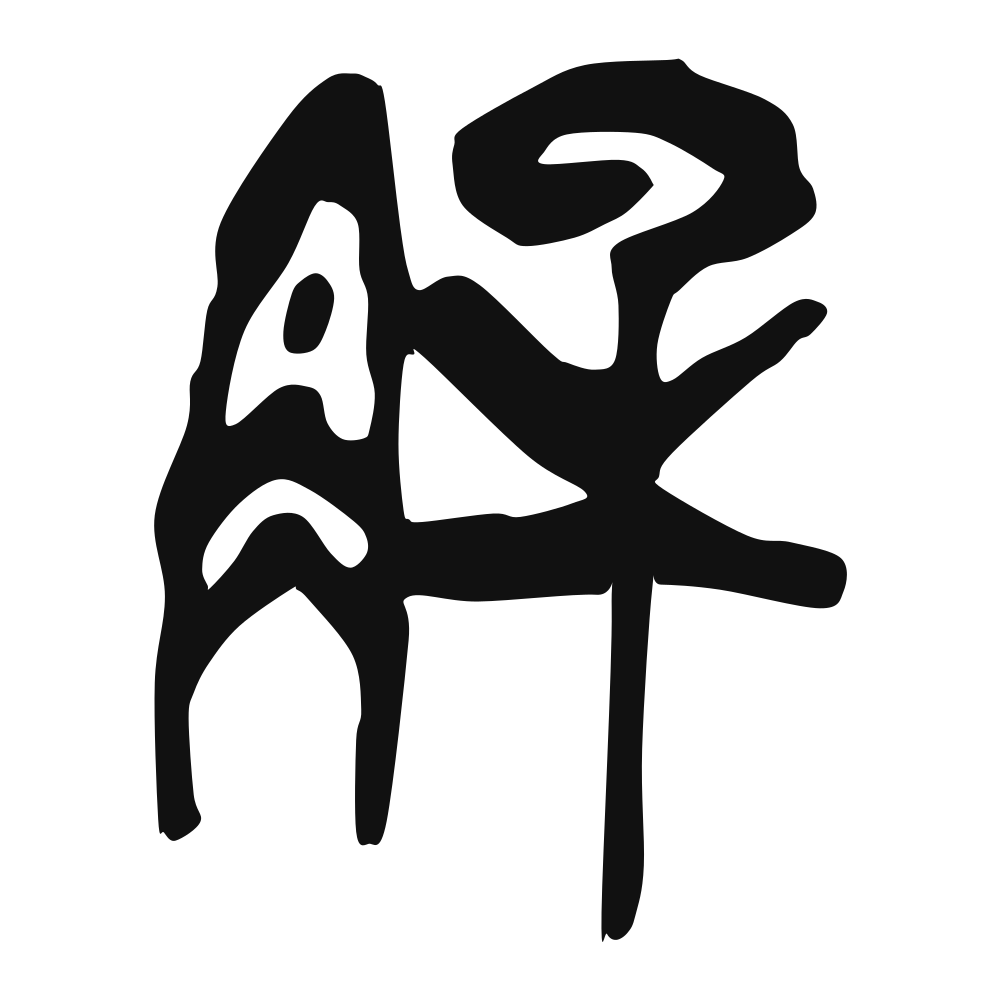
胖
healthy; at ease; fat; plump
Closest English meanings
fat·plump
The Calligrapher — Yǔ Jiānwú 庾肩吾
Liang scholar-critic who authored Shupin, the first systematic graded ranking of calligraphers.
南朝梁 calligrapher (), master of regular script — known for 《书品》. Liang dynasty (Southern Dynasties)
Cultural Story
胖 originally meant a sacrificial animal's half-carcass, fat and whole on the altar; only later did it settle into the everyday sense of plump. 说文 links it to broad flesh. Classical portraits treated a plump figure as comfort and prosperity — the well-fed face of a household at peace.
Common words & phrases
- 肥胖 obese · fat
- 胖子 fat person
- 发胖 get fat
Read the story behind the character
After the holidays everyone solemnly joins the gym to fight 肥胖 obesity; a chubby 胖子 nephew is pinched lovingly at dinner. Your jeans whisper that you have 发胖 gotten fat; the smartwatch nudges you toward ten thousand steps. Aunties insist a plump baby is a blessing, ignoring the pediatrician's chart.
Why this character belongs on skin
Once it was a blessing. 胖 in the old rites meant the offering flesh, the plump animal given to the ancestors, a sign of abundance and favor. To be 胖 was to be prosperous, well-kept, loved into roundness. The modern eye has forgotten this, equating the soft body with failure, but the classical word knew better: fullness is a gift, a harvest made visible. There is a sensuality in the ample form, the warmth, the ease of a body unashamed of its own gravity. To carry 胖 is to rebel against the thin gospel, to honor the flesh that has carried you through. Ink it where you have been told to hide, a defiant vow: I am enough, and my abundance is not a sin. The ancestors wanted the fattest lamb. So do I, and the ink is the blessing I finally let myself receive.
Own this character
Purchase delivers the original SVG of this glyph, brushed by Yǔ Jiānwú 庾肩吾, ready to place on skin, paper, or screen.