
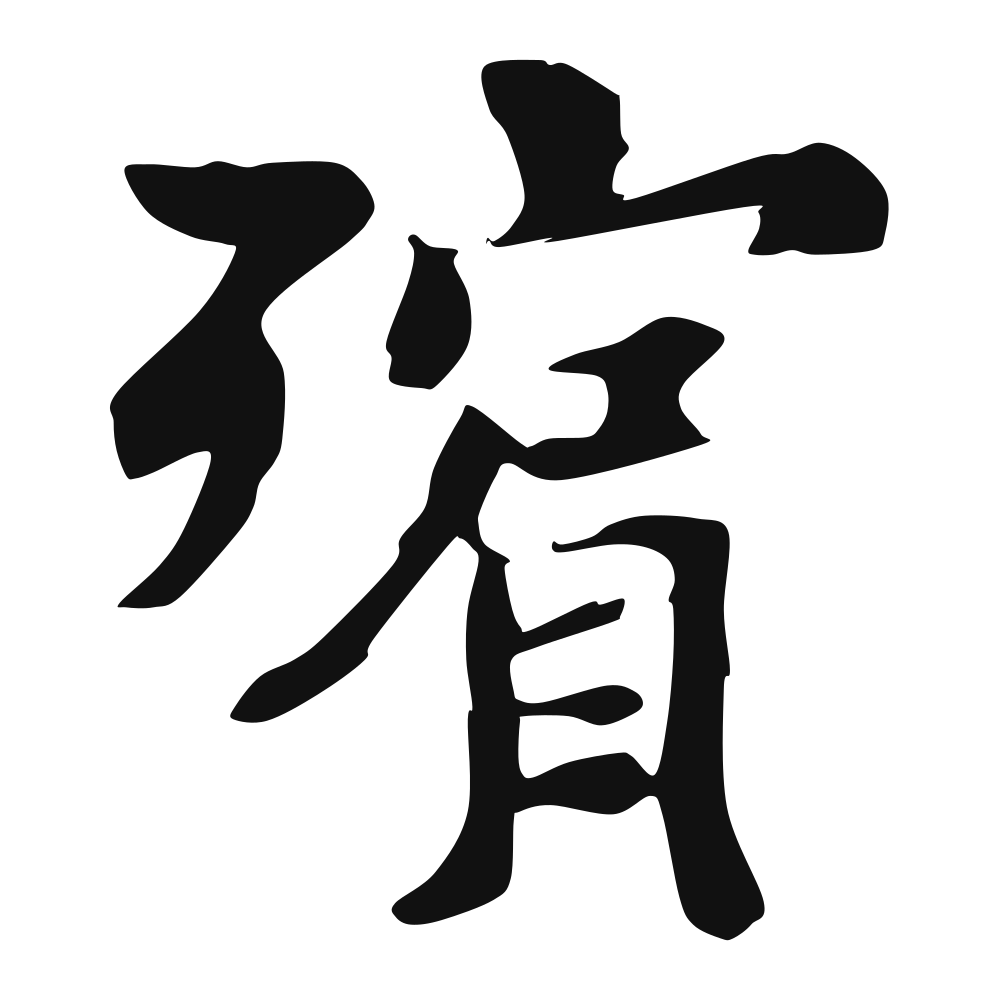
殡
a funeral; to encoffin a corpse; to carry to burial
Closest English meanings
funeral·bury
The Calligrapher — Chǔ Suíliáng 褚遂良
Tang chancellor and regular-script master of elegant, balanced strokes.
Tang calligrapher (596–658), master of regular script — Tang master of graceful, tensile regular script favored by the imperial court. Tang dynasty
Cultural Story
殡 meant the funeral rites that carry the dead to rest. The Shuowin reads it as the mortuary proceedings, and classical filial piety demanded a proper 殡葬 burial, with 出殡 a funeral procession winding through the streets so the community could honour the departed. To tend the 殡 was the last duty a child owed a parent, solemn and inescapable.
Common words & phrases
- 殡仪馆 funeral home
- 出殡 funeral procession
- 殡葬 burial
Read the story behind the character
Modern life still centres on 殡 at life's end: a family visits the 殡仪馆 funeral home, joins the 出殡 funeral procession, and arranges the 殡葬 burial. Though we outsource the rites, the words remain in obituaries and planning, the formal vocabulary of saying farewell. From a hospital corridor to a hillside grave, 殡 names the careful, loving business of letting someone go.
Why this character belongs on skin
The candle is lit; the family gathers; the one who was everything is laid out with ritual care. 殡 names the vigil between death and burial — not the grief itself but the formal tending of it, hands smoothing cloth, duties performed so the heart has somewhere to hide while it breaks. Every civilization invented this hour. The Romans carried their dead past the gate at midnight; the Irish wake loud; the Chinese keep the body close for days, feeding incense to the border between presence and absence. It sounds grim to carry such a character on the skin, but consider: the person who has stood a vigil is not afraid anymore. Buddhism teaches mortality contemplation — maranasati — precisely because the honest hour beside a body burns away everything trivial. What remains is clarity, urgency, tenderness. Inked discreetly, 殡 is a memento mori with manners: not a skull grinning threats, but a quiet vow that you will live like someone who has already said the goodbye that taught them everything.
Own this character
Purchase delivers the original SVG of this glyph, brushed by Chǔ Suíliáng 褚遂良, ready to place on skin, paper, or screen.