
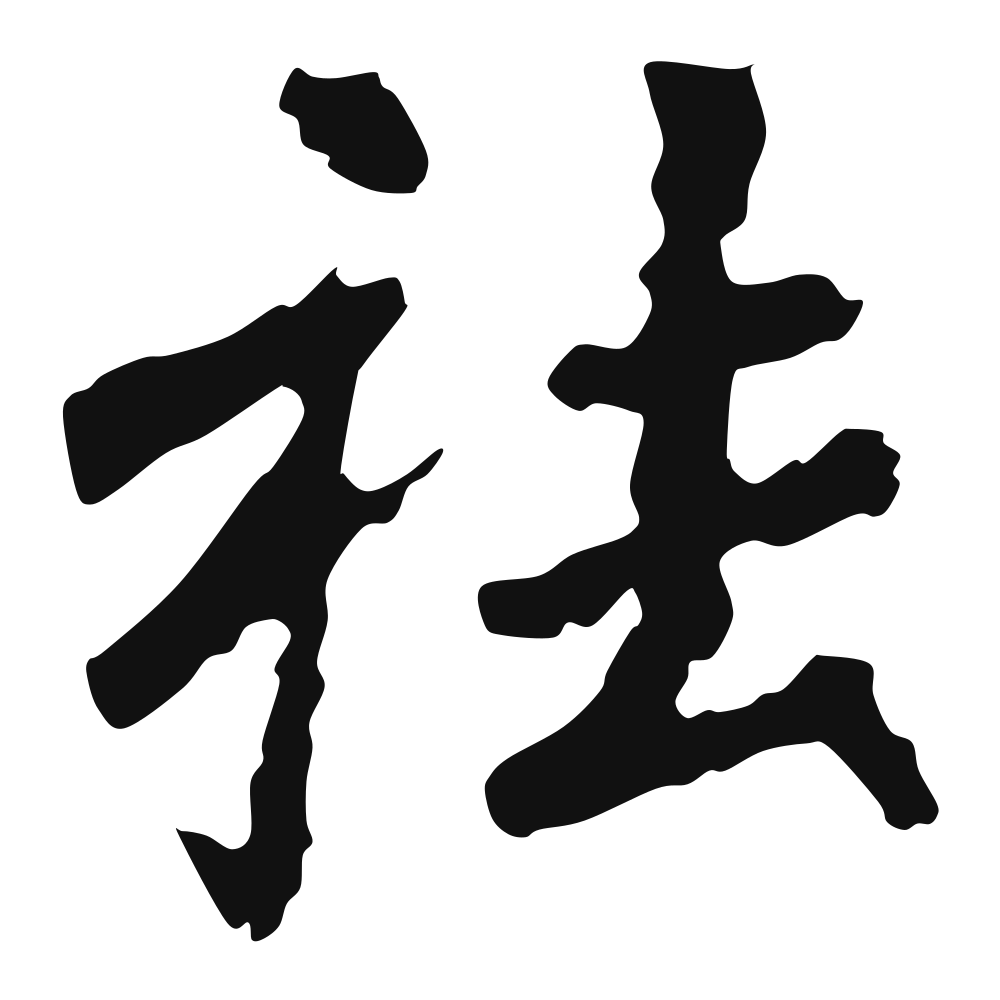
祛
sacrifice to drive away calamity; to dispel; to drive away; to remove
Closest English meanings
dispel·remove·expel
The Calligrapher — Zhāng Cóngshēn 张从申
Tang running-script master who followed Wang Xizhi, likened to Li Yong in brushwork.
Tang calligrapher (), master of running script — known for 《玄静先生碑》. Tang dynasty
Cultural Story
祛 means driving something out of the body or the house. Old physicians speak of herbs that 祛风 and 祛湿 — expelling wind and damp — while exorcists smoked dwellings with mugwort to 祛邪, expel harmful influences, on festival nights.
Common words & phrases
- 祛除 dispel · remove · drive away
- 祛痰 expectorate · clear phlegm
- 祛病 cure disease · dispel illness
- 祛邪 exorcise evil
Read the story behind the character
Pharmacy shelves keep it practical: cough syrup labeled 祛痰, expelling phlegm; clinics promising treatments to 祛病, dispel illness; temple calendars sold to 祛邪, ward off evil; and the general verb 祛除, remove, for whatever ails body or house.
Why this character belongs on skin
Feel the air change first— that coolness when a fever breaks, when dread lifts off a room. 祛 began as the sleeve's opening, the arm passing out of cloth, and from that small motion the character took its great meaning: to drive out, to dispel. 祛邪, the exorcist's word— evil fled by incense, scripture, a physician's sure hand. 祛除 doubt the way dawn removes fog, not by battle but by a slow, total brightening. There is a warrior's calm in it too; the best healers and the best soldiers share the gesture, the clean sweep that sends darkness off the field. Everyone carries something they want gone— a name, a year, a shadow. This is the character for the dismissal. Set into skin, it works like a held breath finally released: out, and out, and free.
Own this character
Purchase delivers the original SVG of this glyph, brushed by Zhāng Cóngshēn 张从申, ready to place on skin, paper, or screen.