
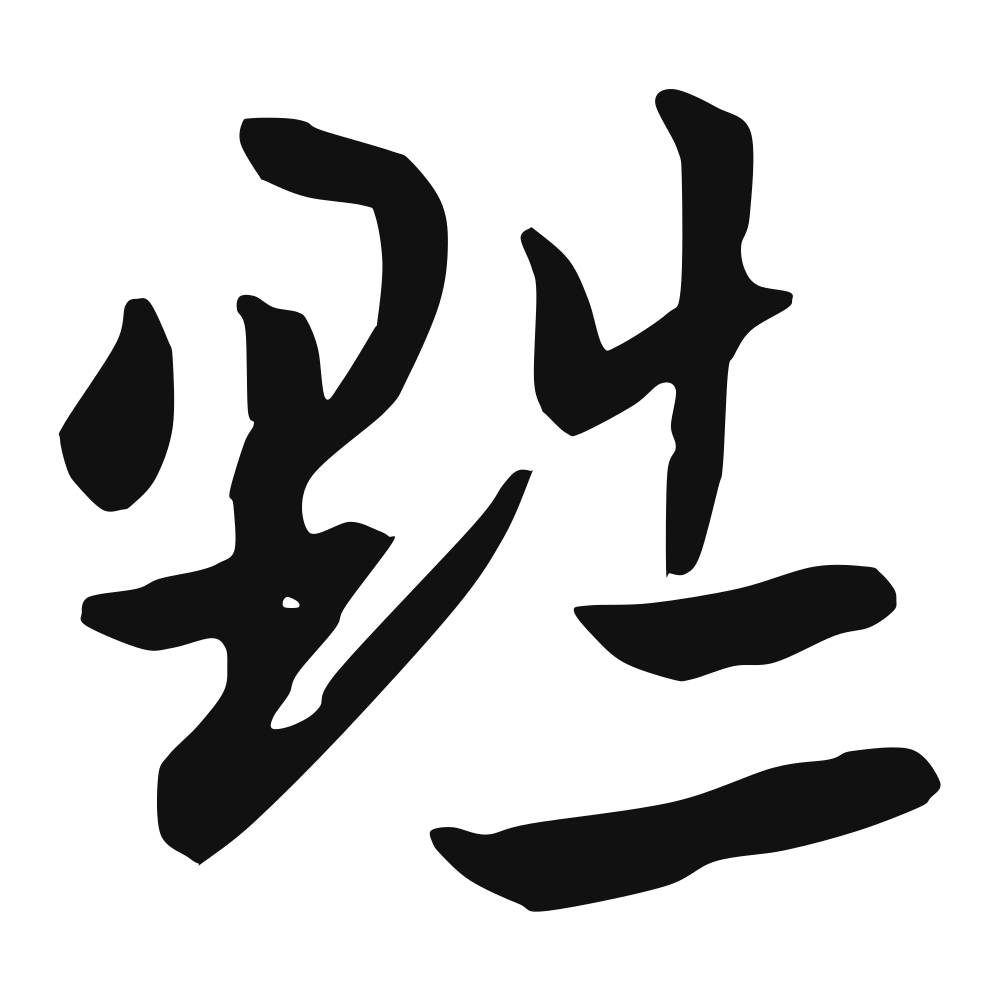
黜
to dismiss from office; to expel
Closest English meanings
dismiss·remove·oust
The Calligrapher — Zhāng Cóngshēn 张从申
Tang running-script master who followed Wang Xizhi, likened to Li Yong in brushwork.
Tang calligrapher (), master of running script — known for 《玄静先生碑》. Tang dynasty
Cultural Story
《説文解字》gives 黜 as “貶下也” (to demote and lower), a phono-semantic compound from the black radical with the sound 出. To 黜 was to cast out of favor and office, struck from the rolls. The word governed the machinery of appointment and removal that ran the imperial bureaucracy.
Common words & phrases
- 罢黜 dismiss · oust
- 贬黜 demote and dismiss
- 黜退 dismiss · remove
- 黜陟 promote and dismiss
- 废黜 depose
Read the story behind the character
Officials are 罢黜 (dismiss, oust) and rivals 贬黜 (demote and dismiss) in palace dramas, while 黜退 (dismiss, remove) and 黜陟 (promote and dismiss) describe career moves. Even a deposed monarch is 废黜 (depose). From cabinet reshuffles to boardrooms, 黜 still means being shown the door.
Own this character
Purchase delivers the original SVG of this glyph, brushed by Zhāng Cóngshēn 张从申, ready to place on skin, paper, or screen.