
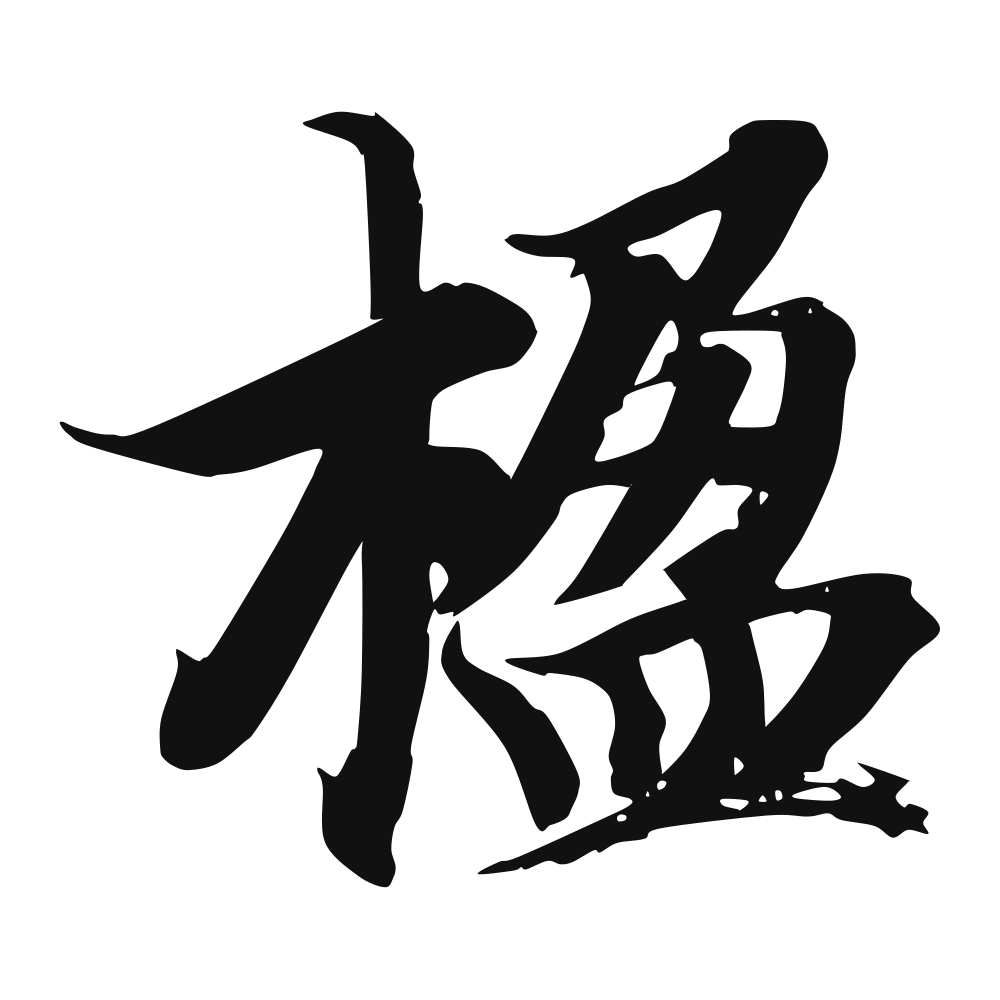
The Calligrapher — Zhōu Yuè 周越
Song calligrapher who taught Mi Fu and shaped the Song Four Masters' cursive.
Song calligrapher (), master of cursive script — known for 宋初草书名家. Song dynasty
Cultural Story
楹 is a pillar or column, and the Shuowen says simply 'a post.' In halls and temples the 楹 held up the roof and, strung with couplets, carried poetry - the 楹联 are the matching lines pasted on gate posts at New Year. The 楹柱 of a palace spoke of grandeur, and scholars measured a hall 'by so many 楹.' The word is the vertical backbone of Chinese architecture and of its verbal art.
Common words & phrases
- 楹联 couplet · scroll couplet
- 楹柱 pillar · column
- 堂楹 hall pillars
- 门楹 door pillar
Read the story behind the character
At Spring Festival families paste 楹联, couplets, on the 楹柱, the gate pillars, for luck. A visitor counts the 堂楹, the hall columns, of an old temple, and a poem rhymes across the 门楹, the door posts. Though steel frames replace wood, the 楹 lives on in couplet books and restoration plans - the standing column that both holds the roof and wears the house's wishes in verse.
Why this character belongs on skin
A temple's dignity lives in its pillars. 楹 is the standing column—specifically the paired posts flanking a hall, on which calligraphers hung couplets of carved verse so that entering meant walking between two lines of poetry. The pillar couplet, 楹联, became its own art: wisdom installed at eye level, unavoidable, ornamental only in the way strength is ornamental. There is a Christ parallel that needs no forcing—build on rock, become a pillar in the house of God—and a Confucian one: the person of rank stands straight so others can lean on nothing false. Ink this character and you declare yourself architecture, not decoration. Vertical, load-bearing, inscribed. Some bodies are rooms; the question this word poses, elegantly, is which pillar you are.
Own this character
Purchase delivers the original SVG of this glyph, brushed by Zhōu Yuè 周越, ready to place on skin, paper, or screen.