
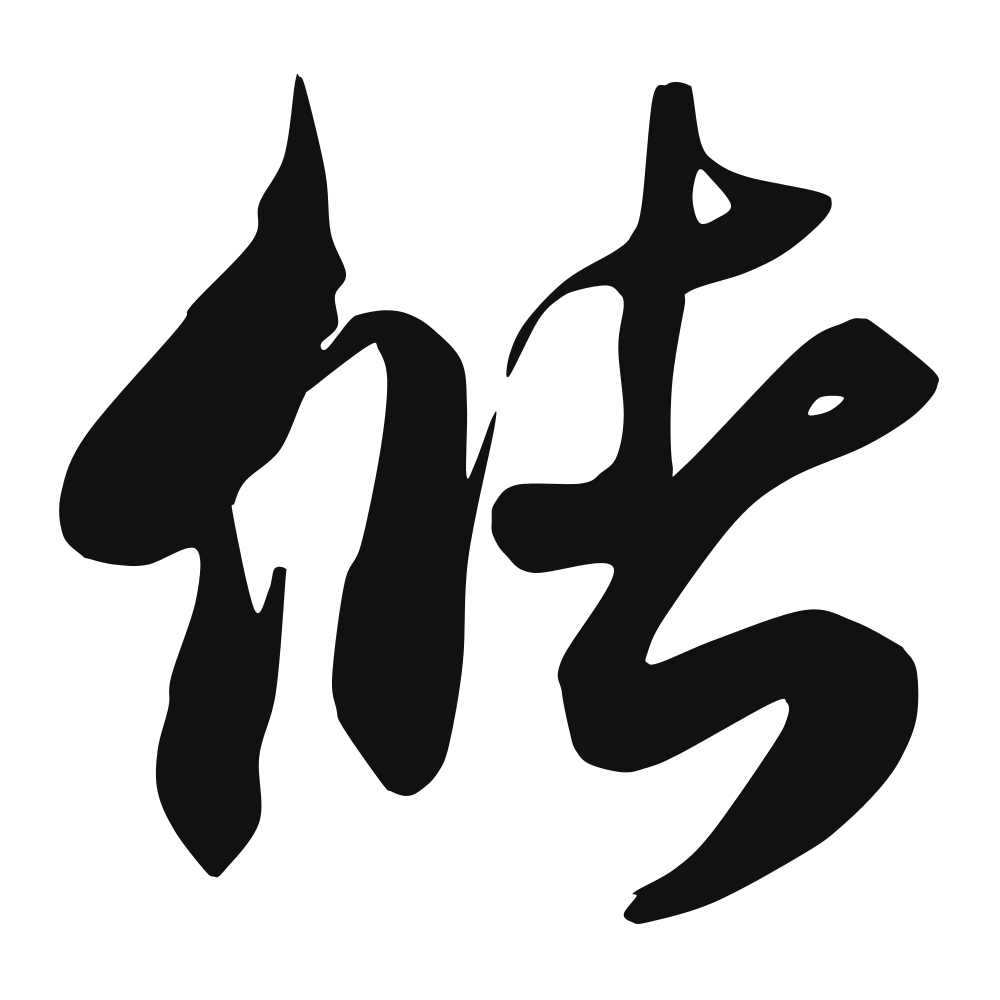
储
surname Chu; Taiwan pr. [Chu2]; (bound form) to store up; to keep in reserve; heir to the throne; Taiwan pr. [chu2]
Closest English meanings
store·save·heir·reserve
The Calligrapher — Zhū Xī 朱熹
Song neo-Confucian sage whose running script conveys calm authority.
Song calligrapher (), master of running script/regular script — known for 《城南唱和诗》. Song dynasty
Cultural Story
The 储君, the stored heir, waited in the Eastern Palace to receive the throne; the realm kept him as it kept grain. The Han and Song ran 常平仓, ever-normal granaries that 储 grain against famine, releasing it when prices rose. The word 储 thus meant what was laid by for the future — a son, a harvest, a reserve.
Common words & phrases
- 储存 store · stock · keep
- 储蓄 save · deposit · hoard
- 储备 reserve · store · stockpile
- 储藏 store · hoard · keep
- 仓储 warehouse · storage
- 储君 heir · crown prince
Read the story behind the character
A family 储蓄 through the app each payday; a warehouse 储存 parts for the line. The state 储备 oil and rice, and a cellar 储藏 the year's wine. The 储户 checks the balance on the phone. The word still means keeping back — a deposit, a stockpile — the hoard that lets tomorrow arrive without panic.
Why this character belongs on skin
The ant does not lecture the grasshopper; it simply wintered well. 储 is to store up, to lay reserves against the lean months — grain in the granary, coin under the floorboard, strength banked in the body by years of unglamorous work. It is also the crown prince's title: the heir, the future held in trust. Both senses teach the same law: what you will need tomorrow, you prepare today, quietly, while everyone else is spending. The sage stores virtue the way a reservoir stores the spring melt — in silence, against drought. This character is patience with a long memory. Wear it as a private vow: I am becoming someone my future self can draw on. The reservoir fills drop by drop.
Own this character
Purchase delivers the original SVG of this glyph, brushed by Zhū Xī 朱熹, ready to place on skin, paper, or screen.