
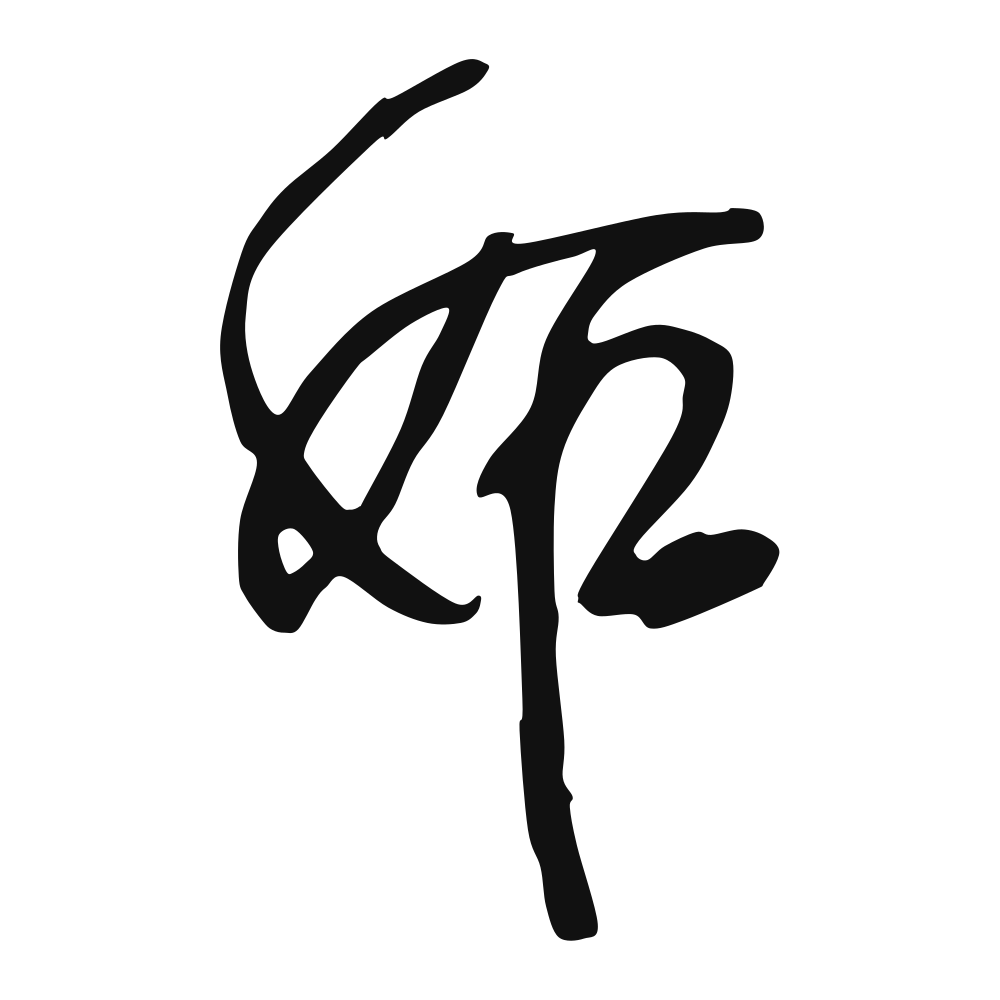
妒
to envy (success, talent); jealous
Closest English meanings
jealous·envy
The Calligrapher — Fù Shān 傅山
Qing loyalist master of vigorous cursive and regular script.
Qing calligrapher (), master of cursive script/regular script — early-Qing individualist who demanded 'rather awkward than flattering' brushwork. Qing dynasty
Cultural Story
In the classical tradition the graph joins "woman" with a door-leaf, and the Shuowen explains 妒 as a wife's jealousy toward her husband. Ancient historians loved the theme: palaces bristled with 嫉妒 among co-wives, and the "flames of envy" — 妒火 — were blamed for poisonings and exiles. Confucian moralists warned that a ruler's favorite, consumed by spite, could topple a court.
Common words & phrases
- 嫉妒 jealous · envy
- 妒忌 envy · jealous
- 妒火 jealousy · flames of envy
Read the story behind the character
In modern China jealousy is still spoken of in vivid, burning language. A coworker who resents a promotion is said to burn with 妒火, the literal "flames of envy," while two friends comparing salaries might quietly feel 嫉妒 toward each other. Even children squabbling over a toy are told not to be 妒忌; the word travels easily from palace intrigue to the schoolyard and the office chat group.
Why this character belongs on skin
There is a fire that burns the hand that feeds it. 妒 is envy, the green heat that says someone else has the life you were promised. The sages called it the woman's vice and the poet's curse, but it lives in every breast that has wanted and watched another win. Yet 妒 is also a compass — it points, trembling, at the exact thing your soul aches to become. The Daoist does not kill it but reads it: what I envy, I must honor; what I resent, I must become. To wear it is to stop pretending you never wanted. Let it rest on your skin as the honest ember, the proof you desired deeply enough to burn. The ink is the want that would not die.
Own this character
Purchase delivers the original SVG of this glyph, brushed by Fù Shān 傅山, ready to place on skin, paper, or screen.