
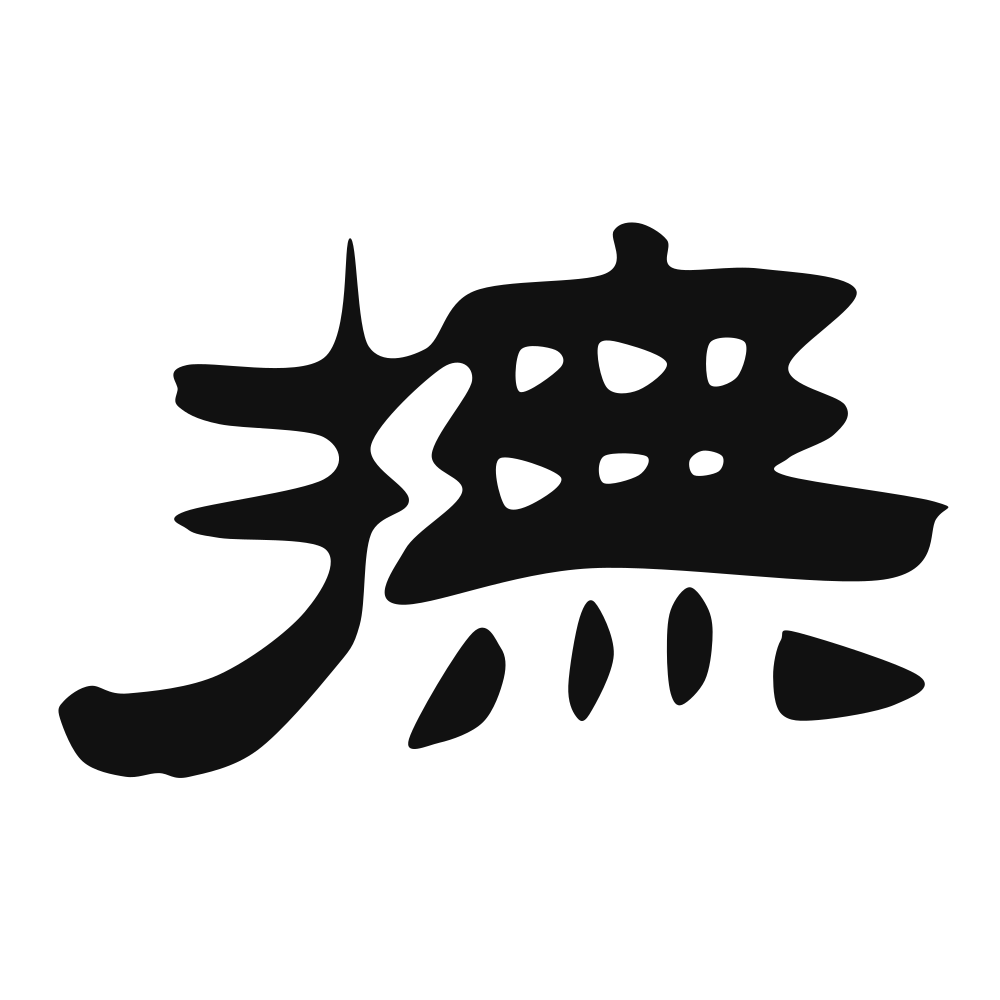
抚
to comfort; to console; to stroke; to caress; an old term for province or provincial governor
Closest English meanings
comfort·stroke·console·govern
The Calligrapher — Jīn Nóng 金农
Qing 'Eight Eccentrics' master of archaic clerical script.
Qing calligrapher (), master of clerical script/regular script — Qing lacquer-script original, blunt brush, unmistakable. Qing dynasty
Cultural Story
抚 is to stroke and to govern. The 撫恤 is the pension a state pays the widow, and 巡抚 was the provincial grand coordinator of the Ming and Qing. The hand with 无, nothing, is the touch that asks nothing back. It is the caress and the rule, the consoling hand and the ruling one.
Common words & phrases
- 抚摸 stroke · caress
- 抚恤 pension · comfort
- 安抚 appease · console
- 抚育 rear · nurture
- 巡抚 governor
Read the story behind the character
抚 is the comfort and the office: 抚摸 the hand on the child's hair, 抚恤 the payment, 安抚 the message after the crash. 抚育 is the rearing, 巡抚 the historical post. It names the stroke that soothes and the authority that settles, the touch and the administration.
Why this character belongs on skin
Before words, there is the hand. 抚 is the long stroke down a child's back at three in the morning, the palm that smooths a feverish brow, the touch that says you are here and you are safe without saying anything at all. It shares its hand-radical with 扶, but where that one holds up, this one calms down. 抚 is tenderness as a verb. The emperor used it to soothe a restless kingdom; a mother uses it on a scraped knee. To wear it is to choose softness as a discipline, to declare that your strength runs through your fingertips, not your fists. A tattoo should sometimes be the thing you press your own thumb against when the world gets loud. 抚 is that—a small altar of calm you carry on your body, a reminder that the gentlest power is often the last one we learn, and the hardest one to fake.
Own this character
Purchase delivers the original SVG of this glyph, brushed by Jīn Nóng 金农, ready to place on skin, paper, or screen.