
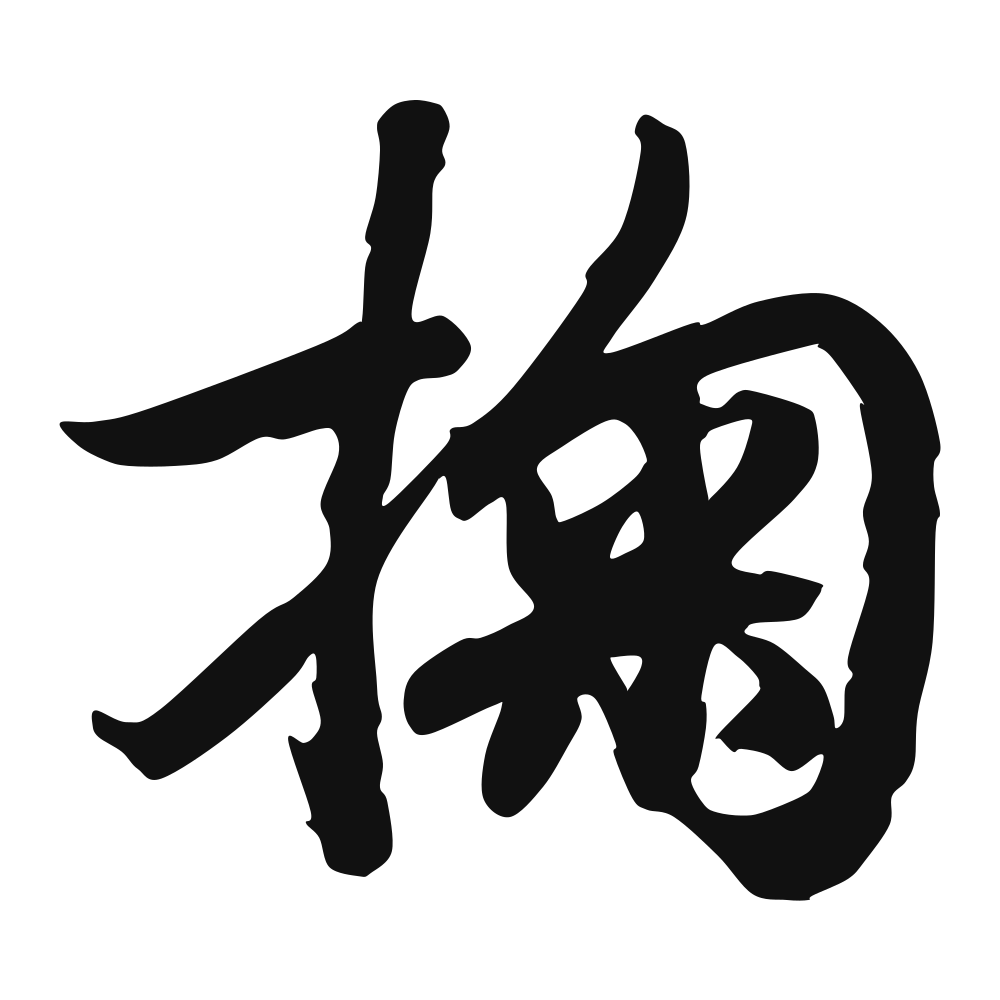
掬
to hold in one's hands; Taiwan pr. [ju2]
Closest English meanings
scoop up·hold in both hands
The Calligrapher — Lù Jiǎnzhī 陆柬之
Tang calligrapher and nephew of Yu Shinan; his running-script 'Essay on Literature' survives
Tang calligrapher (), master of running script — known for 《文赋》. Tang dynasty
Cultural Story
The Book of Songs, in 椒聊, says the pepper-vines multiply 盈匊, fill the cupped hands, the fertility of a plant measured by what two palms can hold. 掬 is the scoop of the bare hands, the oldest bowl. The Shi Jing weighed bounty by the fist, and the bride who filled her hands with pepper was really being told she would fill a house with sons.
Common words & phrases
- 笑容可掬 radiant smile · smiling broadly
- 一掬 a handful · a scoop
- 掬饮 scoop up and drink
Read the story behind the character
A host is 笑容可掬, smile held out in both hands; a 一掬 of water; a pilgrim 掬飲s from the spring. The pepper-vine is a greeting now. The scoop of the bare hands is the same, whether it measures a harvest, a kindness, or merely a drink from the cold source, and the smile is only the pepper, offered instead of a dowry.
Why this character belongs on skin
Both hands cupped, lifting water — there may be no older gesture of tenderness. This character is exactly that: palms curved into a bowl, raising spring water, offering it, drinking, spilling a little because you must. You cannot grip water; you can only hold it the way this character teaches, open and reverent, knowing it will slip through anyway. That is how the Buddhists say to hold life itself, and how lovers know to hold each other — firmly enough to gather, loosely enough to keep nothing by force. To wear this mark is to carry that gesture under your skin: the cupped hands, the cold clear water, the willingness to offer what you cannot keep. Exquisite, fleeting, yours for the moment.
Own this character
Purchase delivers the original SVG of this glyph, brushed by Lù Jiǎnzhī 陆柬之, ready to place on skin, paper, or screen.