
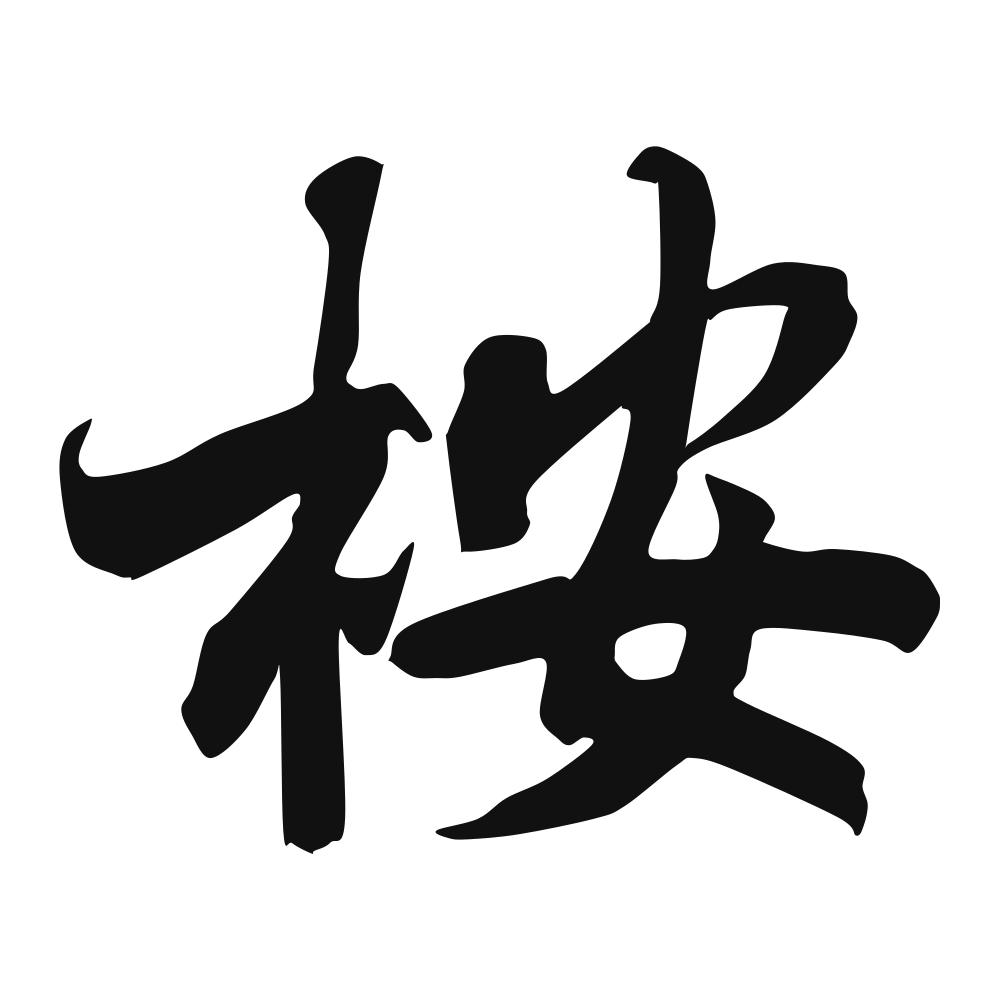
桉
Eucalyptus globulus; Taiwan pr. [an4]
Closest English meanings
eucalyptus
The Calligrapher — Lù Jiǎnzhī 陆柬之
Tang calligrapher and nephew of Yu Shinan; his running-script 'Essay on Literature' survives
Tang calligrapher (), master of running script — known for 《文赋》. Tang dynasty
Cultural Story
桉 is the eucalyptus, a tree that came to China from Australia only in the last two centuries and so has no place in the classical canon — no Tang poem, no Warring States tale. The character is a botanical import, its 桉油 the camphor-sharp oil in a cold rub bought at the pharmacy on a winter night.
Common words & phrases
- 桉树 eucalyptus tree
- 桉油 eucalyptus oil
Read the story behind the character
桉 is the fast-growing plantation tree: 桉树 the straight pale trunk of a southern paper-pulp forest, 桉油 the menthol-clear oil in a chest rub or toothpaste. You meet it in a eucalyptus grove on a hike or a pharmacy shelf. The character is a newcomer, useful and odor-forward, with no ancient past to cite.
Why this character belongs on skin
Begin with the scent: camphor and rain, a leaf crushed between two fingers. This is the eucalyptus, the tall Australian tree that drinks rivers dry and still offers shade, medicine, and that clean medicinal breath that means recovery to anyone who has lain sick beneath one. It is an immigrant in China's south, planted a century ago along roads and gravesides, and it took — proof that even a transplanted life can put down roots and start healing the locals. Koala medicine, fever tree, the blue haze of the Australian mountains is literally its oil in the air: a tree that perfumes the distance. The Gospels speak of leaves for the healing of nations; the Chinese pharmacopeia kept whole groves. To wear this character is to carry that double promise — deep roots in adopted ground, and a fragrance that outlasts you. Grow tall where they plant you. Leave the air better, and faintly medicinally cool, for whoever stands there after.
Own this character
Purchase delivers the original SVG of this glyph, brushed by Lù Jiǎnzhī 陆柬之, ready to place on skin, paper, or screen.