
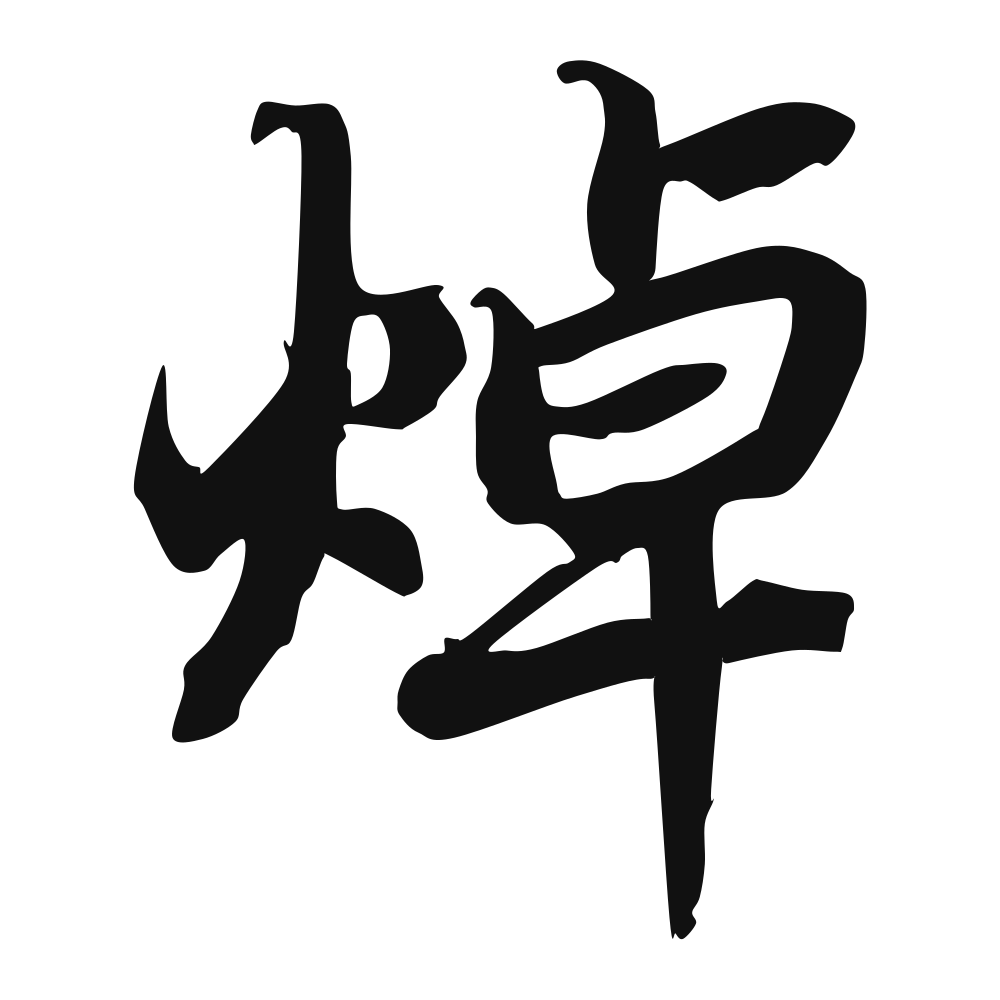
焯
to blanch; to parboil
Closest English meanings
blanch·scald·bright
The Calligrapher — Lù Jiǎnzhī 陆柬之
Tang calligrapher and nephew of Yu Shinan; his running-script 'Essay on Literature' survives
Tang calligrapher (), master of running script — known for 《文赋》. Tang dynasty
Cultural Story
焯 is to blanch — plunge greens into boiling water, then cold, to set color and lift bitterness. The 齐民要术 and kitchen manuals 焯 vegetables before pickling, a small, careful step in pre-modern food craft. The character is the cook's quiet precision, the brief scald that preserves rather than destroys, a humble technique beneath the great Chinese art of the table.
Common words & phrases
- 焯水 blanch · scald
- 焯菜 blanch vegetables
Read the story behind the character
You 焯水 spinach before stir-fry and 焯菜 to keep it green for the bento. Home cooks blanch to remove bitterness or prep for freezing, a step in every 小红书 recipe. Though plain, 焯 is the unsung move behind bright vegetables and clean flavors — the quick dip that makes the rest of the meal taste right.
Why this character belongs on skin
Fire radical, double spark: this character holds two lives. In the kitchen it means to blanch—green beans dropped into boiling water for one bright minute, then into cold, the flash of heat that fixes the color at its most alive. In the classics it means to blaze, to be brilliantly evident—德音孔昭, the virtuous word 焯灼, shining far. The link is real: both are brief, intense illumination that changes the thing forever. Blanching is a controlled scald; revelation is a controlled burn of the mind. One moment of truth, like one plunge in the pot, is enough—the color never fades back. Life hands out few such minutes: a sentence that flays you open, a kindness that recalibrates you, a sunrise you happened to be awake for. Ink this character as a pledge to stay available to those flashes, and to let them cook you true.
Own this character
Purchase delivers the original SVG of this glyph, brushed by Lù Jiǎnzhī 陆柬之, ready to place on skin, paper, or screen.