
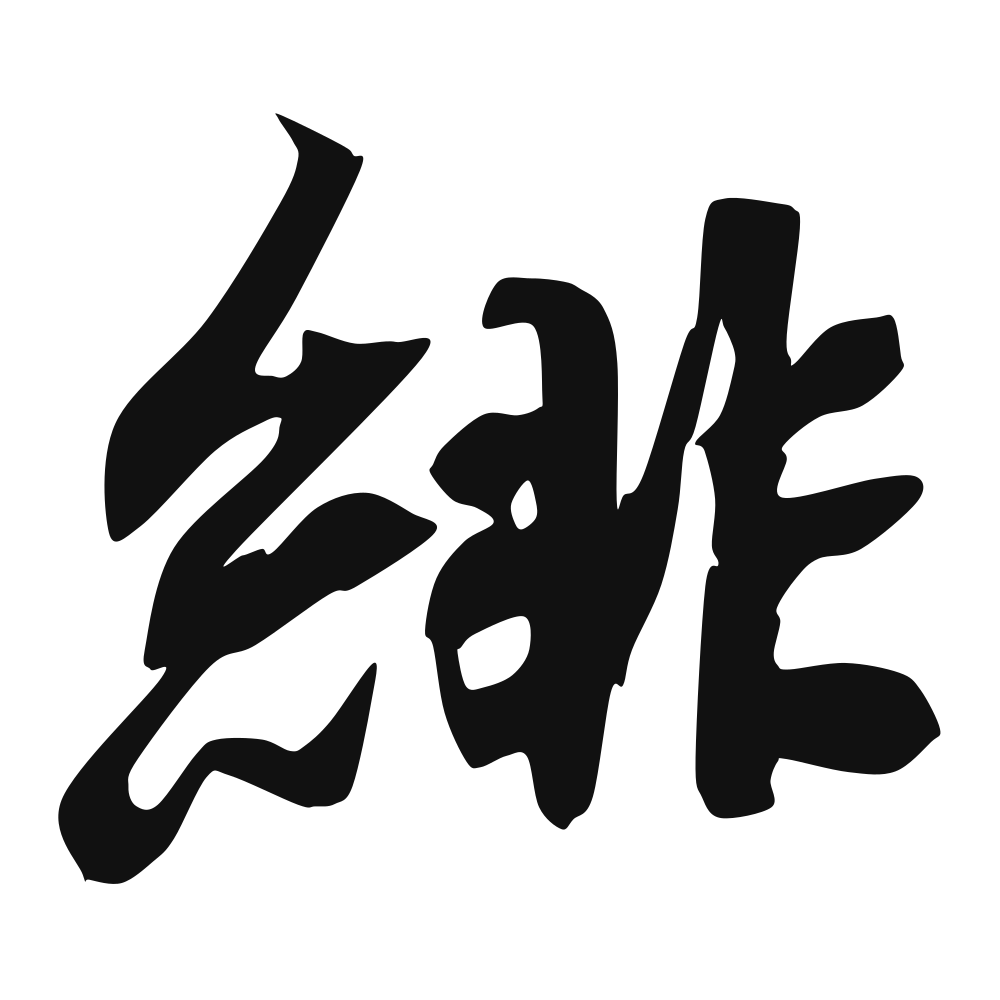
The Calligrapher — Lù Jiǎnzhī 陆柬之
Tang calligrapher and nephew of Yu Shinan; his running-script 'Essay on Literature' survives
Tang calligrapher (), master of running script — known for 《文赋》. Tang dynasty
Cultural Story
绯 is a red at once bright and official: Tang sumptuary law reserved crimson robes for the fourth and fifth ranks, so a 绯衣, crimson robe, in a poem signals a man whose career has climbed. Bai Juyi, demoted, wore the lowly blue of the ninth rank and wept into it, making the gap between 绯 and blue the exact measure of his fall.
Common words & phrases
- 绯红 crimson · scarlet
- 绯闻 scandal · affair
- 绯衣 red clothes
Read the story behind the character
Fēi lives a double life in the modern lexicon. Beauty apps sell 绯红, crimson, blush by the thousand; magazine covers churn out 绯闻, gossip, about celebrities, the word's original thread almost forgotten. Costume dramas dress promoted ministers in 绯衣, red robes, and costume forums argue over which Tang ranks truly earned the color.
Why this character belongs on skin
Under every skin there is a red that cannot lie. This character sets the silk radical beside the word for wrong — and the color it names is crimson, the dye so deep it seemed to carry the dyer's own blood. It colored wedding silk and warning flags, blushed cheeks and banners going into battle. Western poets had their scarlet; the East dyed its silk the same confession: that passion is the one truth the body keeps telling. To go red is to be caught feeling — caught alive, caught caring, caught in the act of being moved. That is the character's whole argument. The composed face is a technique; the flush is a fact. To ink this is to keep the fact forever. Some people blush at nothing. You chose to blush at everything — a small permanent fire, worn just under the surface of the world.
Own this character
Purchase delivers the original SVG of this glyph, brushed by Lù Jiǎnzhī 陆柬之, ready to place on skin, paper, or screen.