
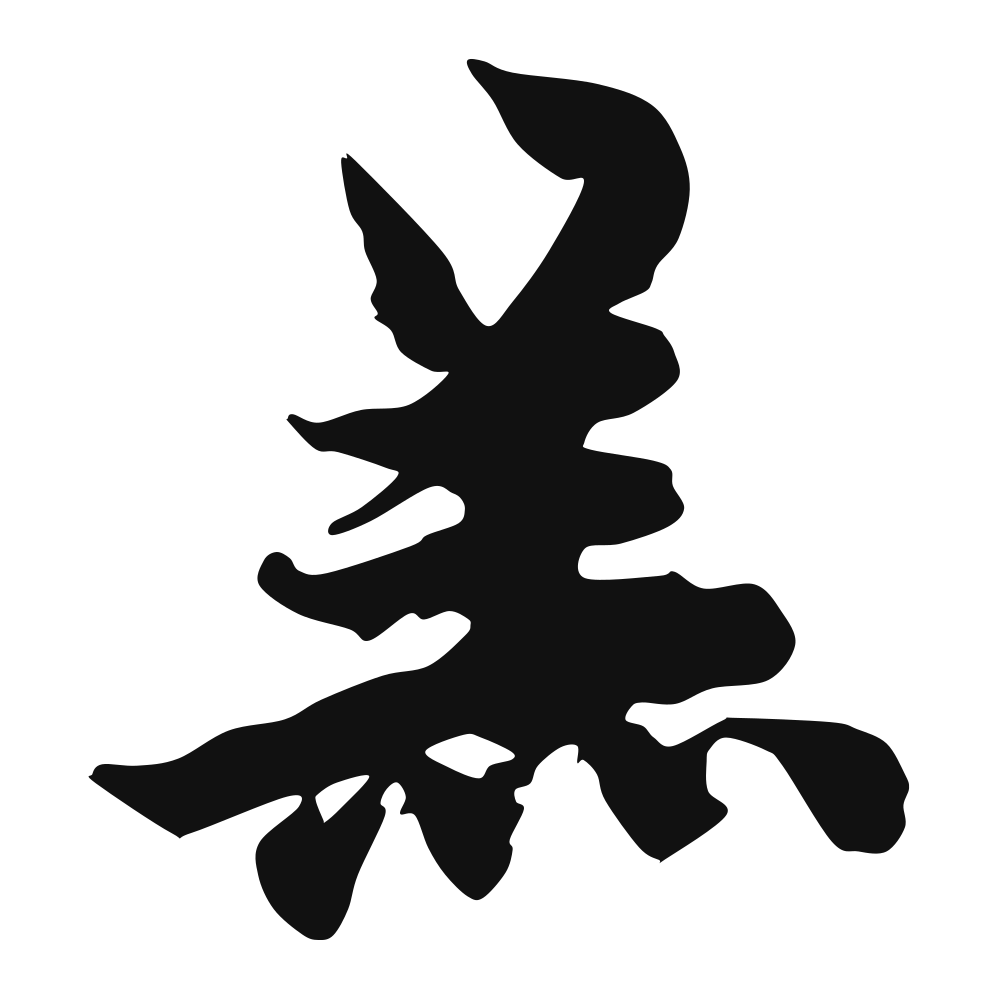
The Calligrapher — Ōuyáng Xún 欧阳询
Tang regular-script master whose 'Ouyang style' is a basic learning model.
Tang calligrapher (557–641), master of regular script/running script — Tang codifier of regular script; crisp, architectural strokes you could measure with a ruler. Tang dynasty
Cultural Story
羔 is the lamb beneath the sheep — small, soft, and ritually pure. The 诗经's 羔羊 poem watches a great lord in lamb-fur robes and finds gentleness in the garment; envoys carried lambskin as the gift of a mild heart. In sacrifice and in courtesy alike, the young sheep stood for innocence offered up.
Common words & phrases
- 羊羔 lamb
- 羔羊 lamb · young sheep
- 羔皮 lambskin · lamb fur
Read the story behind the character
The lamb is dinner and merchandise: hotpot menus list hand-cut 羔羊 (lamb) as the premium plate; leather shops sell 羔皮 (lambskin) gloves soft as nothing else; spring feeds show newborn lambs wobbling behind the flock. Office victims joke about being the 替罪羊 — the scapegoat — for a decision made three floors up.
Why this character belongs on skin
Before the altar, the smallest and gentlest is always chosen. The old word for the lamb sets the sheep above a fire — the young one, tender, given. Every tradition knows this offering: the innocent carried up so something dearer may live, the Christian lamb who takes the world's hurting without a cry. To be gentle is not to be weak; the lamb endures what the wolf never could, and is remembered longer. Wear it where your own softness survived a hard world, a quiet emblem of the tender heart that refused to toughen. Let the ink be the lamb you were and still are — proof that what is gentle can also be given, and what is given can be holy.
Own this character
Purchase delivers the original SVG of this glyph, brushed by Ōuyáng Xún 欧阳询, ready to place on skin, paper, or screen.