
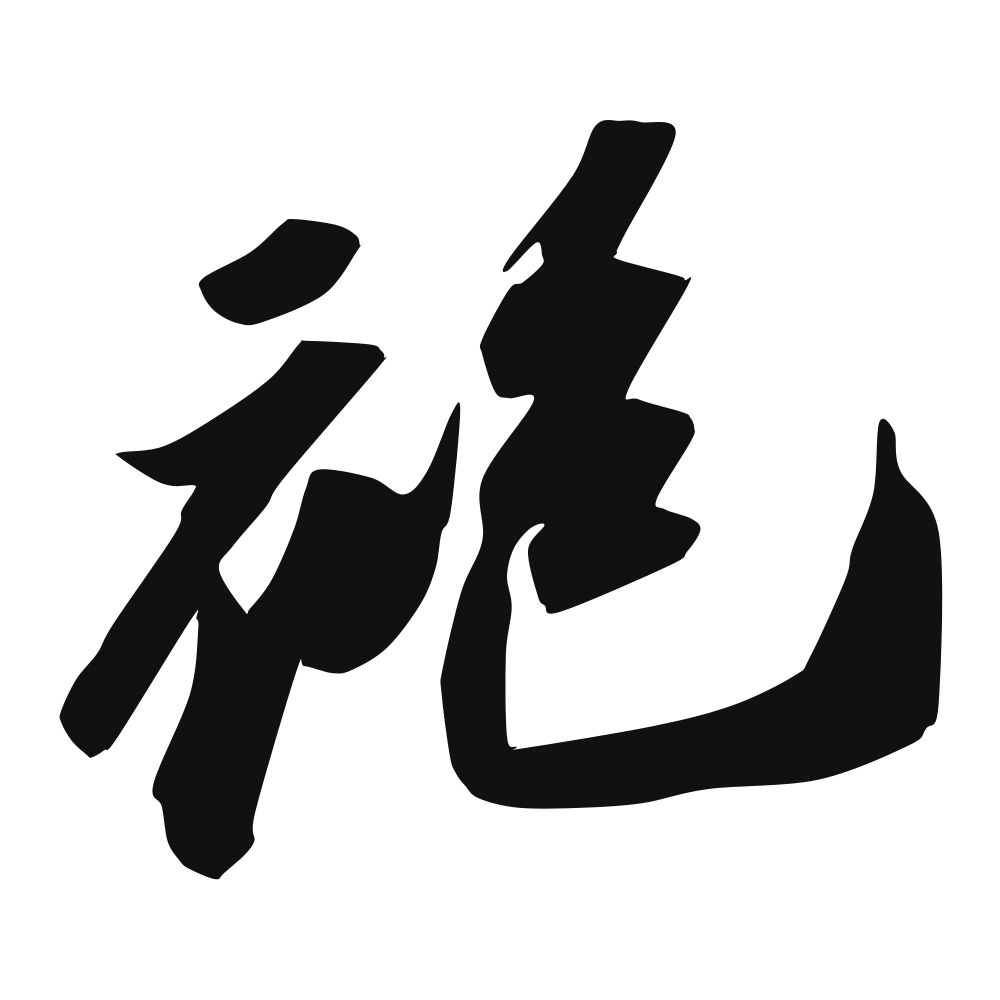
The Calligrapher — Péi Xiū 裴休
Tang chancellor and calligrapher; author of the Guifeng Stele in regular script.
Tang calligrapher (), master of regular script — known for 《圭峰碑》. Tang dynasty
Cultural Story
In the year nine hundred sixty, at the Chenqiao post station, soldiers draped a yellow robe, huang pao, over Zhao Kuangyin as he woke, and he became emperor without a battle. The yellow robe was the colour none but the Son of Heaven might wear, and its weight made the coup a coronation. The character is the robe that makes kings.
Common words & phrases
- 长袍 long gown
- 袍子 robe · gown
- 睡袍 nightgown · bathrobe
- 旗袍 cheongsam · qipao
Read the story behind the character
A period drama hero sweeps a chang pao long gown through a courtyard, while a guest slips into a pao zi robe at the spa and a bride wears a qipao, the banner gown. The word shui pao names the nightgown on the bed. The character spans the throne's robe and the bedroom's, the formal and the soft.
Why this character belongs on skin
The robe is the body's second skin, the shape a person chooses to meet the world in. This character 袍 wraps the cloth radical around a sound of fullness, and in the monasteries the cassock is the first vow made visible — put this on and you have agreed to something. A warrior's robe is armor softened; a scholar's is the color of his rank; a lover's, shed on the floor, is the truest confession. The Christians knew the garment too, the seamless robe for which soldiers cast lots. To wear this character is to claim the dignity of being clothed in intention, of dressing each morning as an act of authorship. It is not about the cloth but the self you wrap in it. Let it lie across your shoulder, where a real robe would fall, a quiet testament that you decided, deliberately, who to be today and every day after.
Own this character
Purchase delivers the original SVG of this glyph, brushed by Péi Xiū 裴休, ready to place on skin, paper, or screen.