
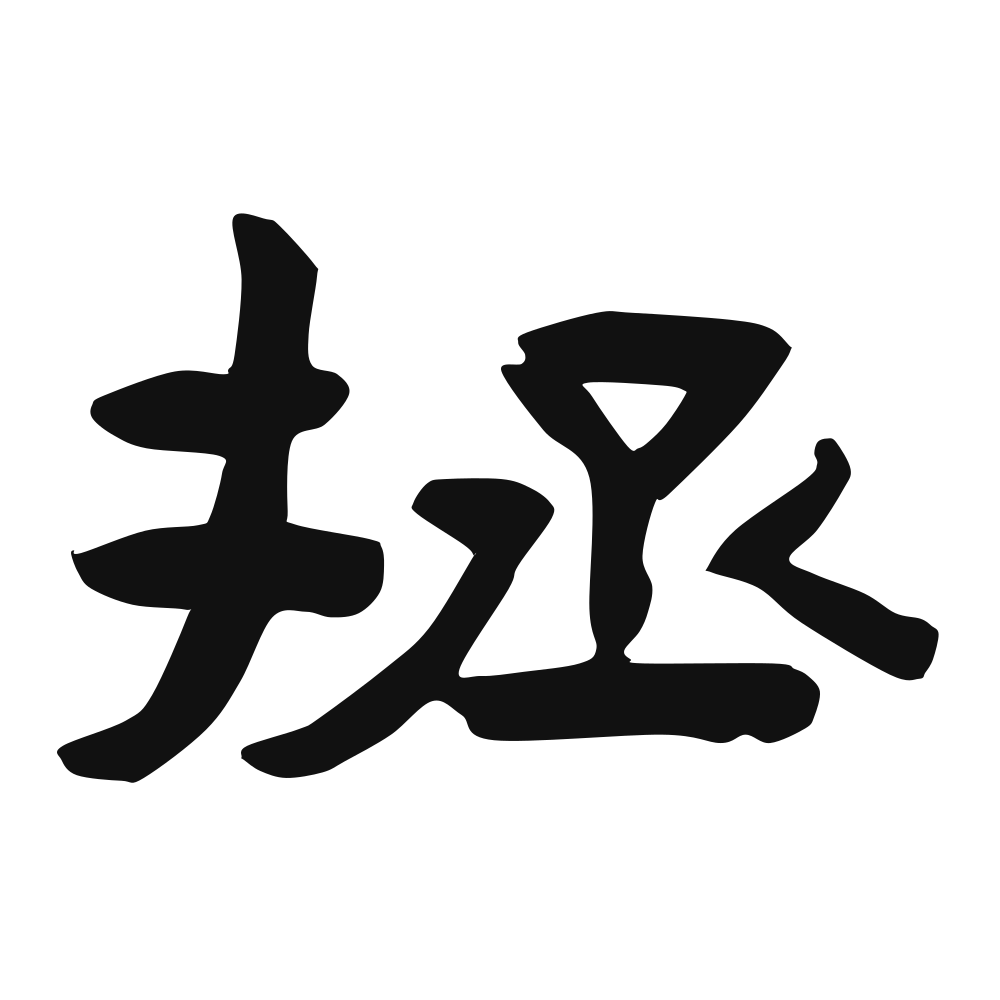
拯
to raise; to aid; to support; to save; to rescue
Closest English meanings
save·rescue
The Calligrapher — Chén Hóngshòu 陈鸿寿
Qing 'Eight Masters of Xiling' known for clerical and running script.
Qing calligrapher (), master of clerical script/running script — known for 曼生. Qing dynasty
Cultural Story
The Book of Changes, in the hexagram Huan, says 用拯馬壯吉, rescue with a strong horse and good fortune follows. 拯 is the pull from the flood, the hand under the arm of the drowning. The Yijing named it an act the cosmos rewards, and the strong horse was the ambulance of an age that measured mercy by the speed of the beast.
Common words & phrases
- 拯救 save · rescue
- 拯拔 save from danger
Read the story behind the character
A team 拯救s a stranded cat; a fund 拯拔s a village from debt. The strong horse is an ambulance and a wire transfer. The word still means the same upward tug from water or ruin, only the water is now usually metaphorical, and the cat on the roof is the only drowning the average rescuer will ever actually perform.
Why this character belongs on skin
To reach a hand into the water and pull another up — this is the oldest holiness. The character is rescue itself, the lift from the depths, the deliverance of what was sinking. The Christians know the Savior's arm; the Confucian knows the minister who drags his prince from the flood. But rescue is not only grand. It is the friend hauled from the bottle, the stranger lifted from the rail at three in the morning. To save is to say your life matters more than my rest. There is a trembling glory in the grip that will not open. Carry 拯 where you have been lifted, or where you have lifted — the palm, the forearm that locked and held. The ink is the trace of a hand that refused to let go. Be the one who reaches.
Own this character
Purchase delivers the original SVG of this glyph, brushed by Chén Hóngshòu 陈鸿寿, ready to place on skin, paper, or screen.