
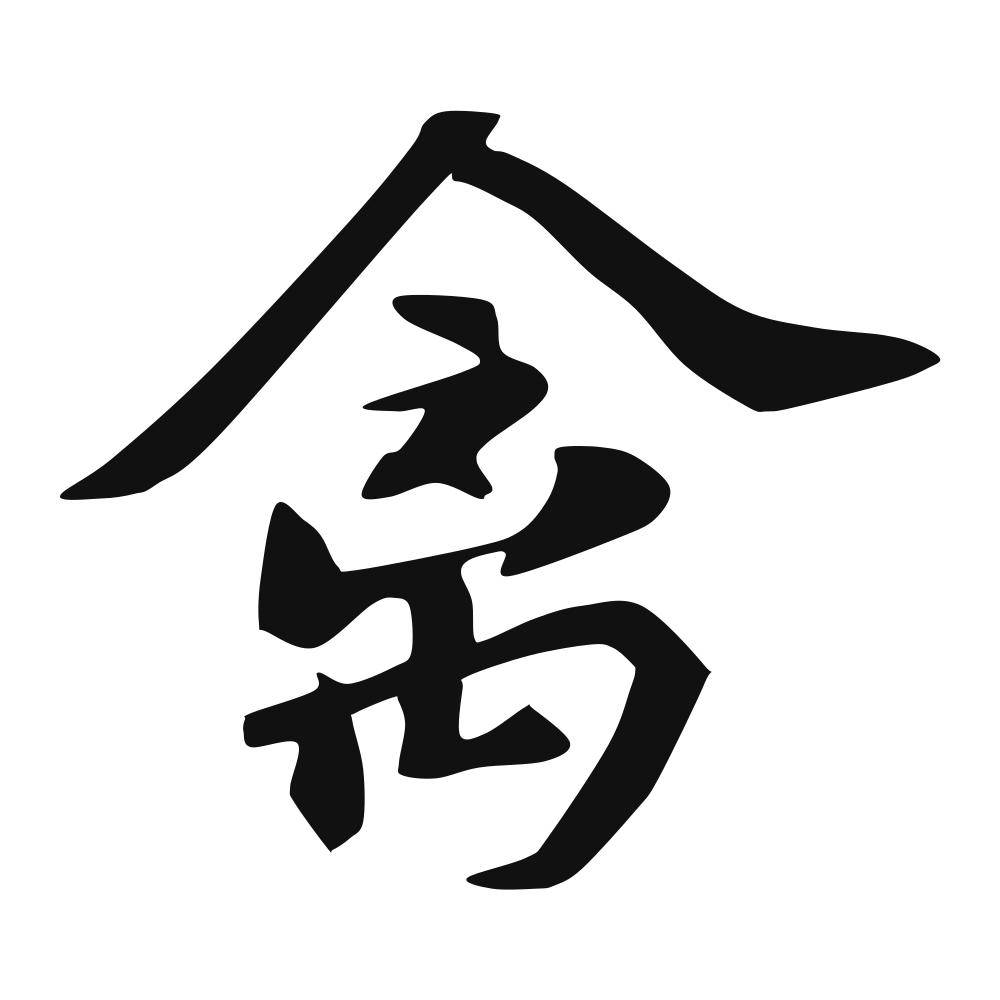
禽
(bound form) birds; fowl; (literary) birds and animals
Closest English meanings
bird·fowl·beast
The Calligrapher — Sū Shì 苏轼
Song literatus whose spontaneous running script shaped the literati ideal.
Song calligrapher (1037–1101), master of running script/regular script — Song poet-statesman and polymath whose expressive running script made personality, not rules, the point. Song dynasty
Cultural Story
禽 first meant the hunter’s catch — animals generally — before narrowing to birds; the classics keep the old breadth in 禽兽, beasts. Hua Tuo prescribed the 五禽戏, five-animal frolic, borrowing crane, bear and tiger so that patients might keep doctors away.
Common words & phrases
- 家禽 poultry
- 飞禽 birds
- 禽兽 beast · brute
- 禽类 birds · fowls
- 猛禽 raptor
Read the story behind the character
Market signs divide it cleanly: 家禽, poultry, clucking in cages; 飞禽, birds, in aviary brochures; menus list 禽类, fowl dishes; wildlife cameras track 猛禽, birds of prey, over the wetlands. And as an insult 禽兽, beast, still lands hardest in family dramas.
Why this character belongs on skin
It began as a hand closing on a net. 禽 is the old character for birds taken and, by extension, birds themselves — feathered creatures, wild and breathing. Its root image is the capture: the fowler in the reeds at dawn, mist on the water, wings hammering against woven cane. Later generations widened it until 禽 meant simply the bird-kind, the whole aerial nation that Chinese poets watched for omens — the crane's long silence, the magpie's chatter, the wild goose carrying letters across borders in verse after verse. There is a tender tension inside this character: freedom drawn by the hand that would hold it, every flight shadowed by the net, every cage a monument to longing. To ink 禽 is to claim the bird in yourself — the part that migrates, that sings before sunrise, that cannot be kept. Place it on the shoulder, near where a wing would root. Some things in us were never meant to land.
Own this character
Purchase delivers the original SVG of this glyph, brushed by Sū Shì 苏轼, ready to place on skin, paper, or screen.