
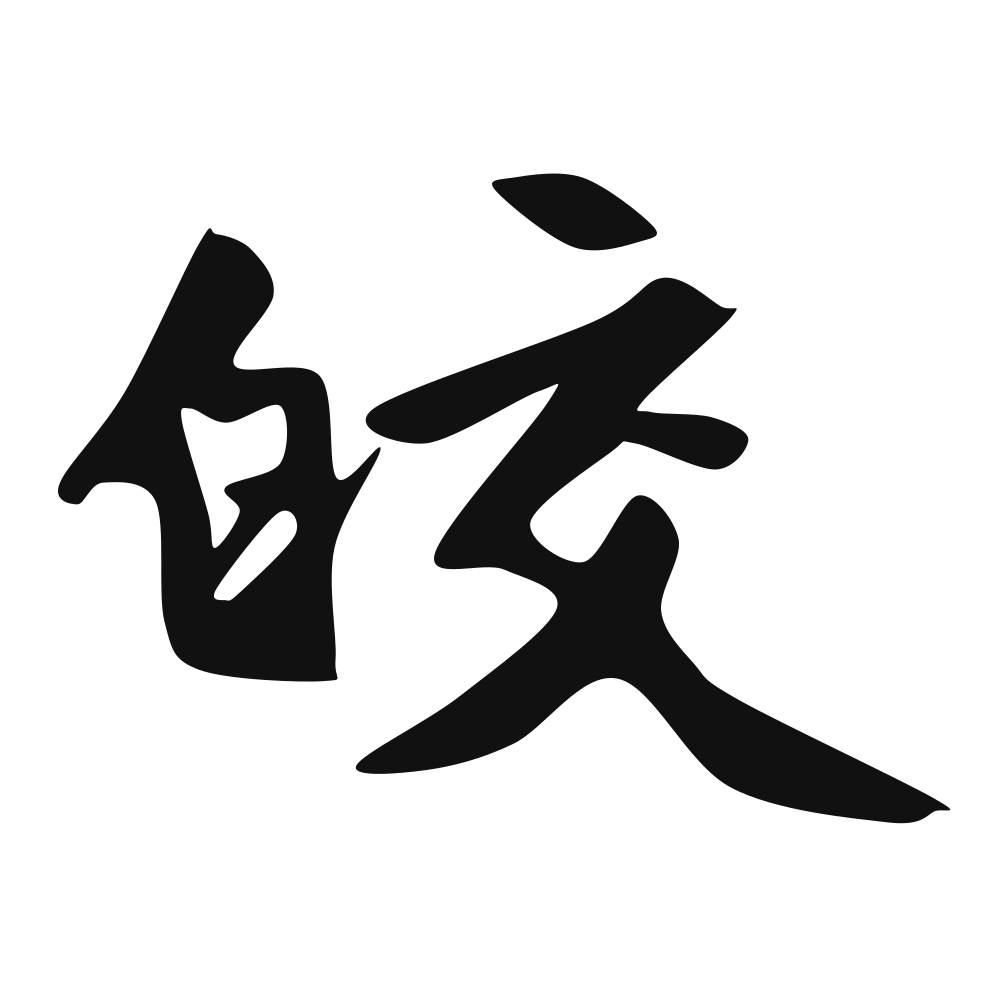
The Calligrapher — Táng Yín 唐寅
Ming 'Talented' painter-calligrapher of elegant running script.
Ming calligrapher (1470–1524), master of running script — known for 《落花诗册》. Ming dynasty
Cultural Story
皎 means moon-bright whiteness. The Book of Songs begins its most haunting love lyric with 月出皎兮, the moon rises, radiant, a girl's beauty shining in its light. Later poets kept 皎皎 for stars and frost, and paired 皎洁 moonlight with clean white sleeves in the dark.
Common words & phrases
- 皎洁 bright and clear
- 皎皎 bright white
Read the story behind the character
The compound survives happily: every Mid-Autumn Festival, texts and TV hosts describe the 皎洁的月光 over family reunions, and phone photographers chase the same bright disc. Lovers still quote 月出皎兮, and lyricists reach for 皎皎 whenever a pop song needs a pure, silvery image.
Why this character belongs on skin
皎 is the moon at full clarity — 皎洁, white and clean, the light that makes poets of insomniacs and liars of people who claim not to notice. Li Bai raised his cup to it alone; a thousand years of exiles have read their homesickness by it, one moon shared by every soul who ever missed someone across a distance. Sunlight flattens and exposes; moonlight reveals gently, drawing the outline of things without burning them — the water tower, the sleeping street, the face on the pillow. The Buddhists point to it for the mind in its natural state: bright, ungrasping, shining on the guilty and the innocent alike, needing no fuel and keeping no accounts of what it lights. Tonight, wherever you are, the same light is falling through your window as fell on the Tang dynasty, and it has not aged a day. Go and look. It has been keeping your appointment.
Own this character
Purchase delivers the original SVG of this glyph, brushed by Táng Yín 唐寅, ready to place on skin, paper, or screen.