
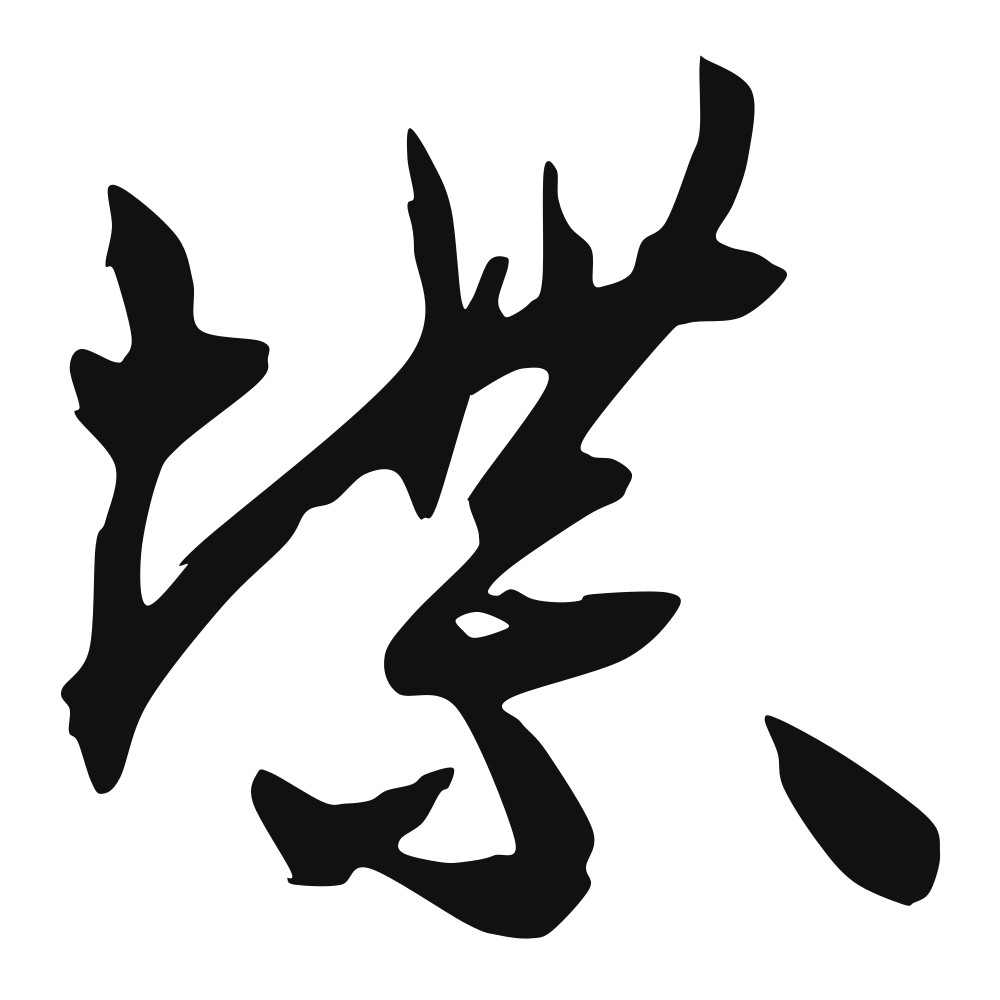
The Calligrapher — Wáng Chǒng 王宠
Ming Suzhou literatus, one of the 'Three Wu Masters'; famed for ethereal small regular script.
Ming calligrapher (1494–1533), master of running script/regular script — known for 《游包山集》. Ming dynasty
Cultural Story
堞 is the notched parapet along a city wall, where defenders stood behind crenellations. The ancient military manual Wuzi (吴子) and the Mohist writings on siege describe 城堞 as the wall's very teeth against arrows. When the Tang general 张巡 held Suiyang against overwhelming odds, the 堞 were manned night and day. 堞墙 is simply the parapet wall, the city's comb against the open sky.
Common words & phrases
- 城堞 city battlement
- 堞墙 parapet wall
Read the story behind the character
Tourists photograph the 城堞 of Xi'an's restored wall and walk its 堞墙 at dusk with ice cream in hand. The word appears on heritage signs and in architecture essays about crenellations and defensive design. Few use 堞 in ordinary speech, yet every old fortress postcard leans on it — the character survives as the silhouette of a wall against the evening horizon.
Why this character belongs on skin
Look at the top of an ancient wall: the toothed silhouette, solid and gap, solid and gap. Those teeth are 堞—the crenels of a battlement, the notches where defenders stood and the gaps through which they watched and loosed their arrows. Even protection, the ancients understood, must breathe; a wall without openings cannot see what is coming. There is a life-lesson carved in that masonry. Armor yourself, yes—but leave the watching-gaps. The ones who survive long sieges are those who can see clearly from behind shelter, who alternate standing forth and standing back. The Great Wall's long spine is made of these small decisions, repeated for a thousand miles. 堞 is ink for a guarded heart that refused to go blind—someone who has been hurt, learned to keep the parapet, and still leaves openings for the sky, the view, the occasional trusted face.
Own this character
Purchase delivers the original SVG of this glyph, brushed by Wáng Chǒng 王宠, ready to place on skin, paper, or screen.