
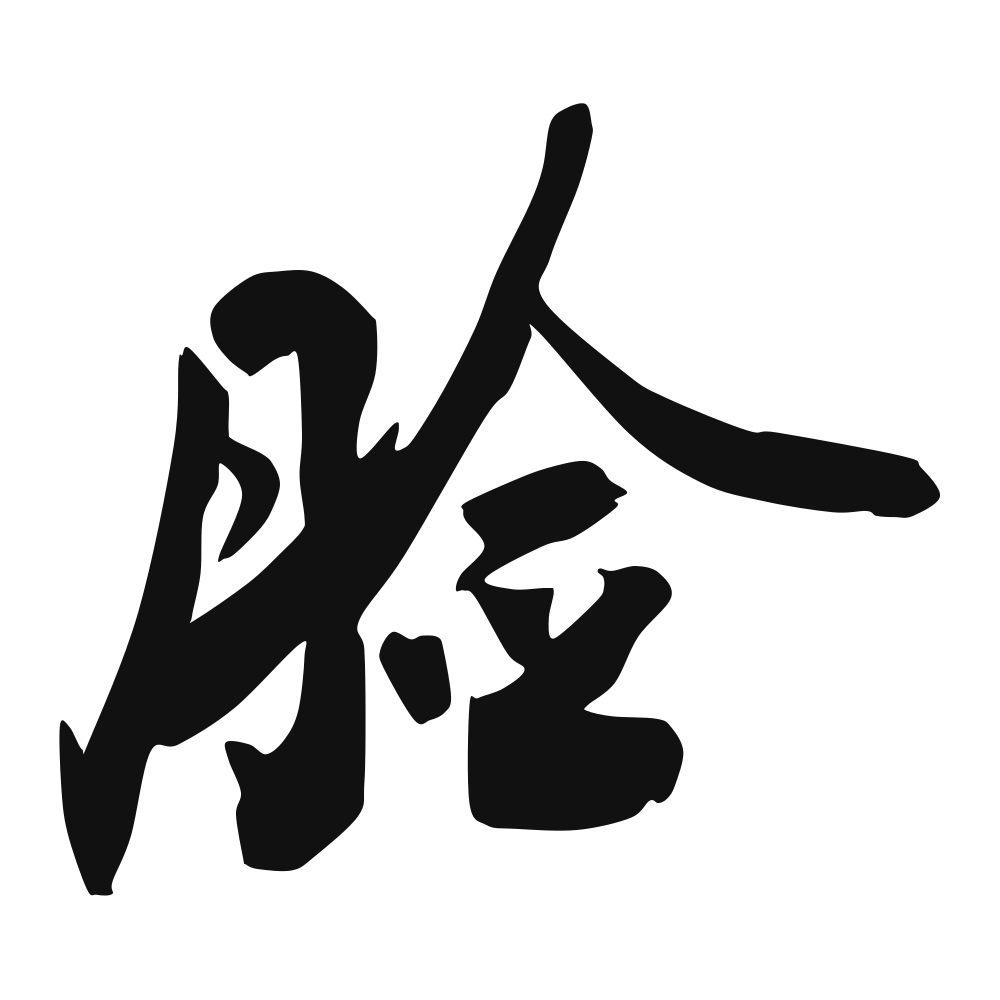
The Calligrapher — Wáng Cí 王慈
Southern Qi calligrapher son of Wang Sengqian; master of cursive in the Wang family line
南朝齐 calligrapher (), master of cursive script — known for 王僧虔之子. Southern Qi dynasty (Southern Dynasties)
Cultural Story
脸 is the face, a word Tang poets made intimate — 脸色 complexion betrayed health and heart, and to 丢脸 lose face was already a social death. Classical writers noted blushes on the 脸庞 cheeks of brides and shame on the fallen; 脸面 face was the coin of honor, spent and hoarded like silver.
Common words & phrases
- 脸色 complexion · look
- 洗脸 wash face
- 脸庞 face · visage
- 丢脸 lose face
- 脸面 face · self-respect
Read the story behind the character
Mom studies your 脸色 complexion at breakfast and knows the exam went badly; you 洗脸 wash your face with cold water to wake up. A toddler's round 脸庞 gets pinched by every auntie at dinner, and everyone whispers about the uncle who 丢脸 lost face at the wedding. Face, ancient and modern, is currency.
Why this character belongs on skin
The face is the only country you cannot leave. 脸 is the front of the self that meets the world—cheeks that flush with shame or desire, a jaw that hardens against fate. In Confucian China, to lose face was to lose the very ground beneath the feet; the face was honor made flesh. But the Buddhists knew the face as illusion, a mask the soul wears for one lifetime and then sheds. To tattoo 脸 is not vanity but candor: here is the surface where every feeling announces itself before you can lie. Lovers read it; enemies fear it. It is the battlefield of composure. Let this character mark your own skin as a vow to stop hiding—to let the world see the face you make when no one is supposed to be watching. That unguarded expression is the truest thing you own.
Own this character
Purchase delivers the original SVG of this glyph, brushed by Wáng Cí 王慈, ready to place on skin, paper, or screen.