
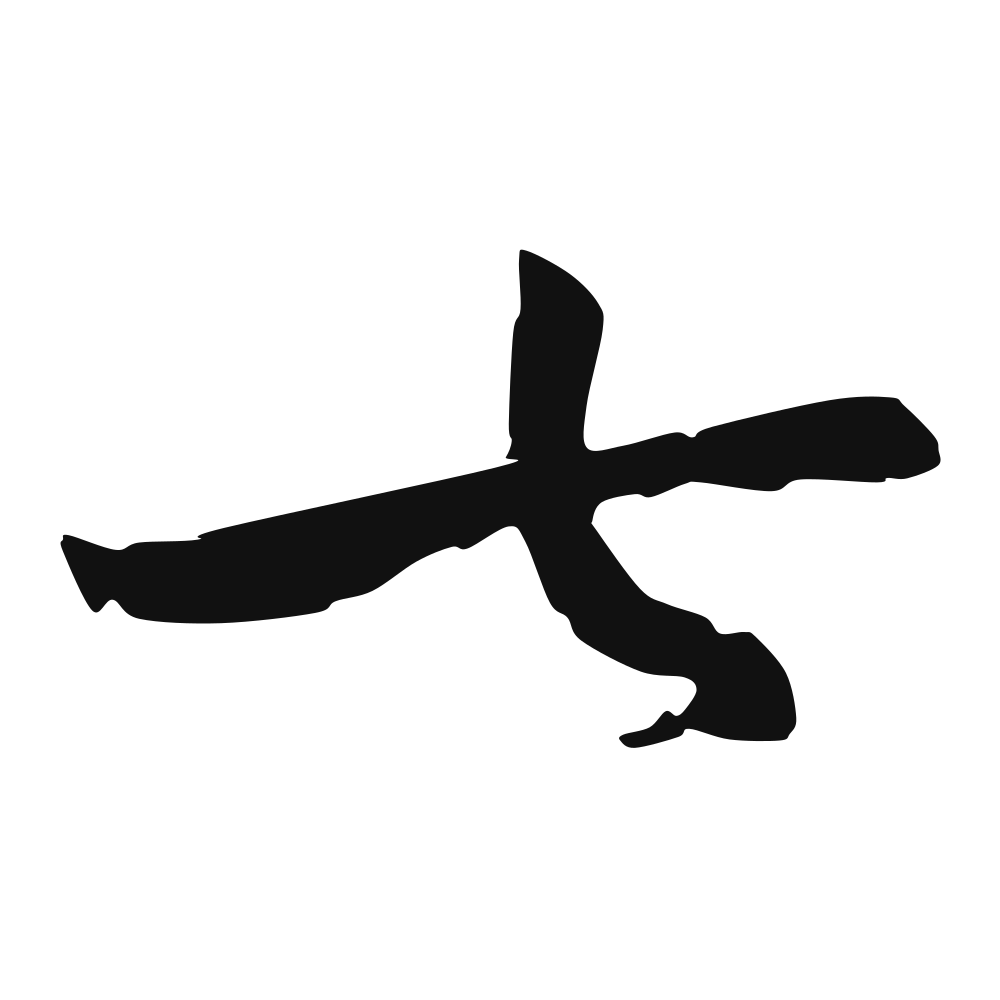
The Calligrapher — Wáng Xīzhī 王羲之
The 'Sage of Calligraphy'; his running script has set the standard for 1,700 years.
Eastern Jin calligrapher (303–361), master of running script/cursive script/regular script — the Sage of Calligraphy; his Orchid Pavilion Preface is the most celebrated work in the tradition, and nearly every later master traces lineage to his hand. Eastern Jin dynasty
Cultural Story
The 詩經 opens its seasonal round with 七月流火, the fire star sliding west as the harvest nears, a farmer's calendar in song. Tang poets bent 七律 into eight strict lines, Du Fu counting grief in regulated tones. Seven was a number of arrangement, not magic. A court musician tuned to seven strings; a cook cut 七彩 into a cold plate of seven colored vegetables.
Common words & phrases
- 七月 July · seventh month
- 七点 seven o'clock · 7 a.m./p.m.
- 七号 number seven · seventh
- 十七 seventeen · 17
- 七彩 seven colors · rainbow hues
- 七律 eight-line poem · regulated verse
Read the story behind the character
七月 is the month students flee dorms; 七点 is when the alarm screams and the subway doors jam. 七号 bus, 七号 battery, your 十七-year-old cousin. 七彩 appears on shampoo bottles promising rainbow shine and on temple lanterns at 元宵. The number lives as a label and a clock, rarely symbolic now, mostly a way to file the day and number the queue.
Own this character
Purchase delivers the original SVG of this glyph, brushed by Wáng Xīzhī 王羲之, ready to place on skin, paper, or screen.