
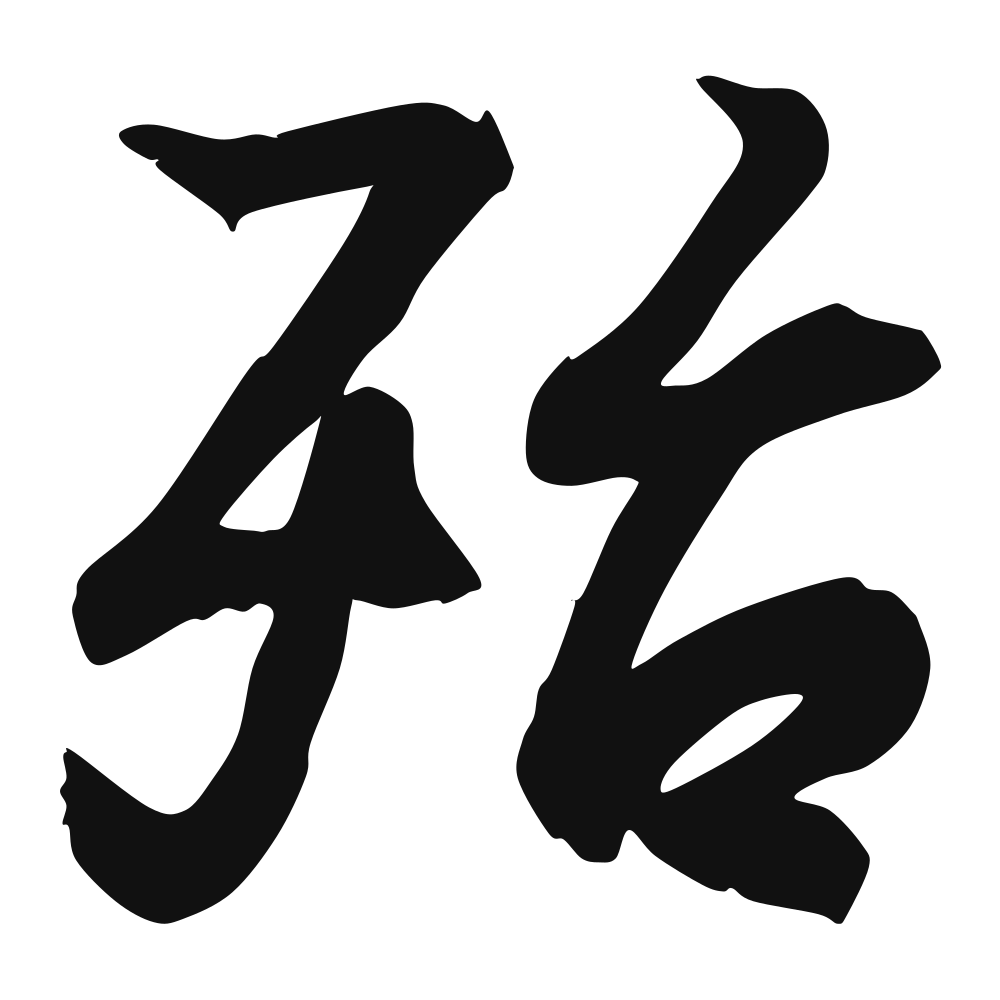
殆
(literary) dangerous; perilous; (literary) almost; well-nigh
Closest English meanings
dangerous·almost·nearly·exhausted
The Calligrapher — Wáng Xīzhī 王羲之
The 'Sage of Calligraphy'; his running script has set the standard for 1,700 years.
Eastern Jin calligrapher (303–361), master of running script/cursive script/regular script — the Sage of Calligraphy; his Orchid Pavilion Preface is the most celebrated work in the tradition, and nearly every later master traces lineage to his hand. Eastern Jin dynasty
Cultural Story
殆 meant danger and the brink of exhaustion. The Shuowen reads it as peril, and Laozi taught that knowing when to stop brings 不殆 safety that is never defeated. A patient in 危殆 was in critical danger, and a supply 殆尽 almost exhausted had nearly run out. The character hovered at the edge — of risk, of ending, of losing everything.
Common words & phrases
- 危殆 in danger · critical
- 殆尽 almost exhausted · nearly all
- 不殆 never defeated · without peril
Read the story behind the character
Today 殆 survives in serious language: a doctor says a case is 危殆 in critical danger, an account is 殆尽 nearly exhausted of funds, and a philosopher quotes 不殆 never in peril. We meet it in hospital updates and classical study more than in chat, a word that marks the thin line between holding on and losing, the quiet alarm at the edge of disaster.
Why this character belongs on skin
There is a moment on every cliff edge when the wind changes and you understand how close the ground really is. 殆 means danger, but also almost—peril and nearness pressed into a single breath. Confucius used it to warn of the thinker who acts without learning, who stands at the rim without knowing it is a rim. The old Daoists loved that doubling: ruin and intimacy are neighbors. To wear 殆 is to admit you have stood near the edge, felt the vertigo, and chosen your step anyway. It is not a promise of safety. It is a promise of attention. The ink sits close to the pulse, a small dark reminder that a life examined is a life that sees the drop before it takes the leap—and leaps beautifully anyway.
Own this character
Purchase delivers the original SVG of this glyph, brushed by Wáng Xīzhī 王羲之, ready to place on skin, paper, or screen.