
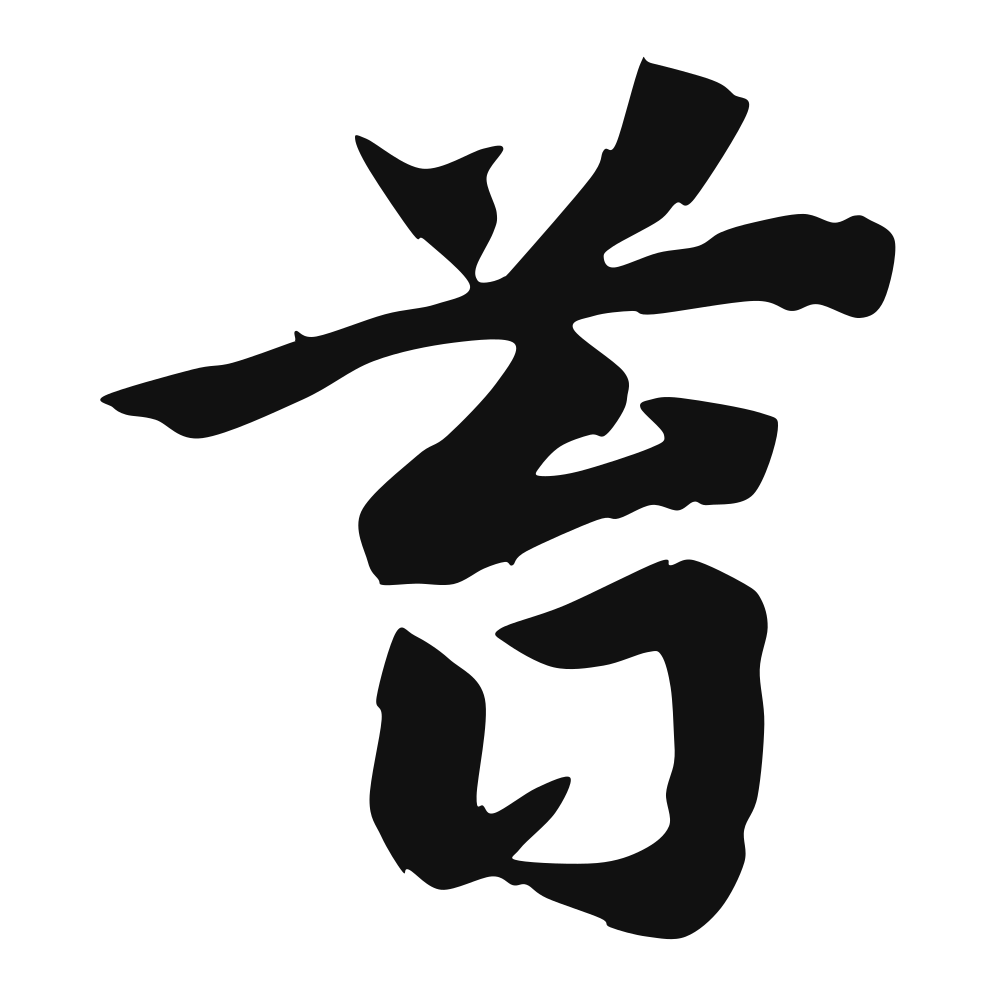
笞
to whip with bamboo strips
Closest English meanings
whip·flog·cane
The Calligrapher — Dèng Wényuán 邓文原
Yuan scholar-official calligrapher of classical regular script.
Yuan calligrapher (1258–1328), master of running script/cursive script — known for 《急就章》. Yuan dynasty
Cultural Story
笞 was the light bamboo rod of lawful punishment. When Han Emperor Wen abolished mutilating penalties, flogging with the 笞 took their place — and quickly revealed its own cruelty, forcing reforms of rod length and stroke count. Court histories tally the beatings with bureaucratic calm.
Common words & phrases
- 鞭笞 flog · lash
- 笞刑 flogging punishment
- 笞责 punish by flogging
Read the story behind the character
Modern writing keeps 笞 mostly metaphorical and historical: essays describe gossip 鞭笞 (lashing) a celebrity, textbooks diagram 笞刑 (flogging punishment) in legal-history chapters, and costume dramas stage a 笞责 (caning) in the study. The character signals old-law severity — students meet it once and recognize it forever.
Why this character belongs on skin
笞 is the lash of light bamboo — punishment measured in strokes, flesh remembering precisely what the law decreed and the judge pronounced. Every civilization has believed, at some hour of confidence, that pain could edit a soul, and every civilization has been wrong about how much and for how long. The Confucians doubted it early and said so plainly: shame teaches, but terror only teaches hiding. Buddhism goes further and quieter — the hand that strikes is already struck, bound to the wound it makes, carrying the scar home in its own palm. History flogged its way through dynasty after dynasty and found only more rebels, more silence, more sons who left at dawn. Mercy remains the harder discipline, the unfinished lesson on every curriculum. Where you were struck, learn to lay a hand gently. That, and nothing else, is how the scar finally closes.
Own this character
Purchase delivers the original SVG of this glyph, brushed by Dèng Wényuán 邓文原, ready to place on skin, paper, or screen.