
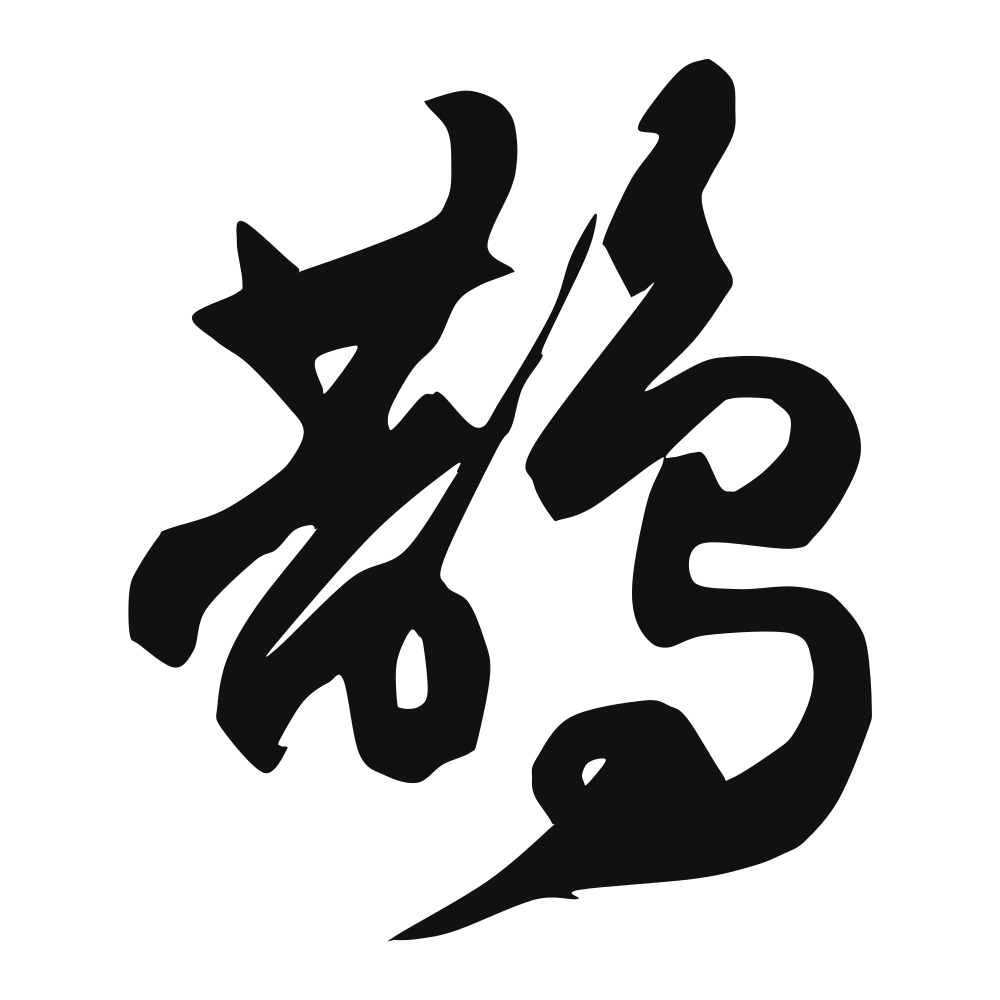
The Calligrapher — Dīng Dàohù 丁道护
Sui regular-script calligrapher of the Qifa Temple Stele, a precursor to Tang standard script.
Sui calligrapher (), master of regular script — known for 《启法寺碑》. Sui dynasty
Cultural Story
鹊 names the magpie, the 喜鹊 of good news. A phono-semantic compound from the bird radical with the sound 昔, the magpie's chatter was read as announcing visitors. The 鹊桥 legend bridges the separated lovers 牛郎 and 织女 each seventh night, when a bridge of magpies spans the sky river.
Common words & phrases
- 喜鹊 magpie
- 鹊桥 magpie bridge (in legend)
- 鹊巢 magpie nest
Read the story behind the character
The 喜鹊 (magpie) is hailed as a lucky sight, the 鹊巢 (magpie nest) a tidy marvel, and the 鹊桥 (magpie bridge) anchors the Qixi lovers' festival each year. Greeting cards and dating apps invoke 鹊桥 for reunions, turning an old sky-bridge tale into today's symbol of meeting and matchmaking.
Why this character belongs on skin
In China, the magpie's cry at dawn is good news arriving. 鹊 is that black-and-white thief of shiny things, and it carries the most beloved love story in the language: on the seventh night of the seventh month, all the magpies of the world rise and lock wings into a bridge across the Milky Way, so the Weaver Girl may cross to her Cowboy. One night a year, the lovers meet over the stars, and the birds make the road. This is the character of impossible love made possible—of two people separated by a river of circumstance who refuse to accept the separation as final. Buddhists would smile: even a bridge of birds, moment by moment, holds. The magpie is also cunning, curious, a little disreputable, drawn to what gleams. So the ink says two things at once: I am drawn to beauty like the magpie, and I believe devotion can bridge anything, even heaven's own river. Put it on the shoulder—near the wing.
Own this character
Purchase delivers the original SVG of this glyph, brushed by Dīng Dàohù 丁道护, ready to place on skin, paper, or screen.