
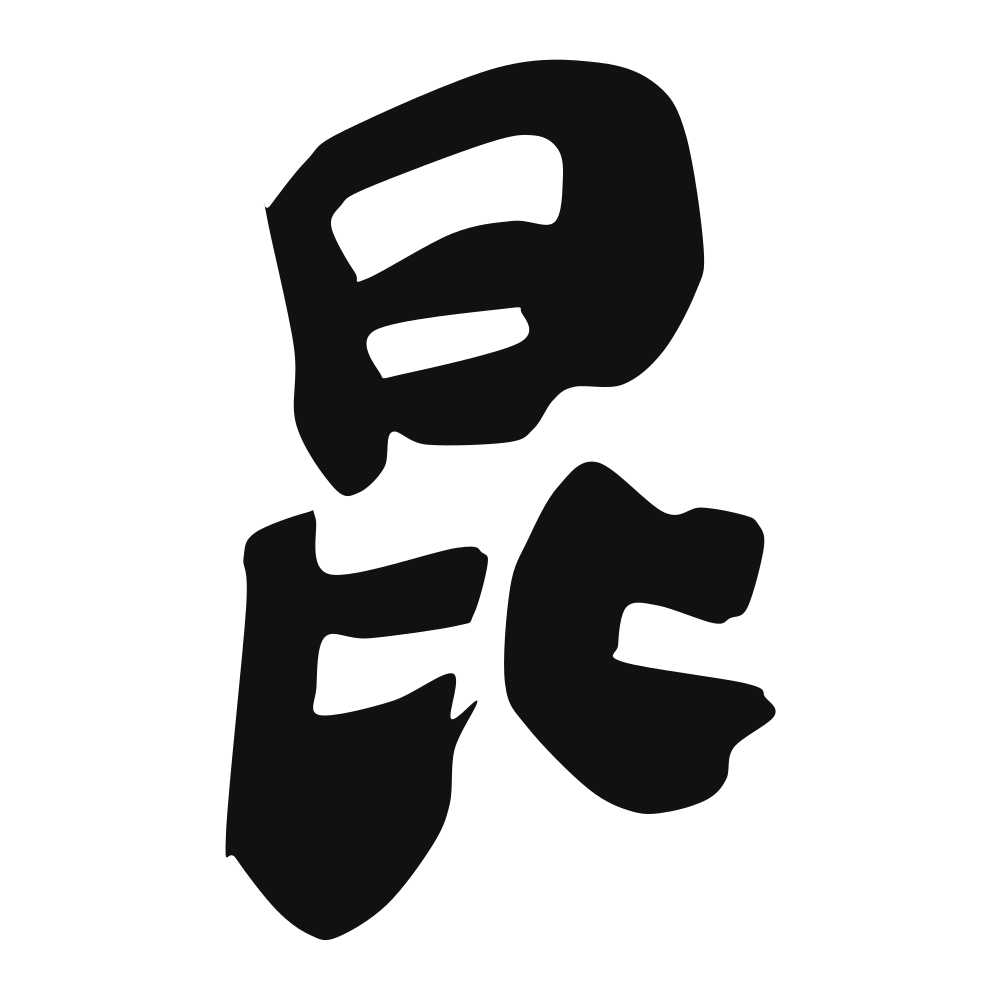
昆
(also used for transliteration); descendant; elder brother; a style of Chinese poetry
Closest English meanings
elder brother·descendants·insect
The Calligrapher — Hé Shàojī 何绍基
Qing master blending stele strength into running script.
Qing calligrapher (), master of running script/regular script — Qing master who wrote cursive with a sideways-held brush, all stele flavor. Qing dynasty
Cultural Story
昆 gathers the swarm and the brother. 昆虫 the crawling host; 昆仲 the elder and younger, addressed with respect. 昆仑 the mountain axis of myth; 昆明 the southern city by the lake. 昆曲 the oldest opera, still sung in a hush. The word is the many bound as kin — the bugs, the brothers, the range that fathers a people.
Common words & phrases
- 昆明 Kunming (city)
- 昆虫 insect · bug · entom
- 昆仑 Kunlun (mountains)
- 昆仲 brothers · elder and younger brothers
- 昆曲 Kunqu (opera)
Read the story behind the character
昆明 is the getaway; 昆虫 the boy's jar. 昆仑 the name on the map; 昆仲 the formal 'your brothers.' 昆曲 the UNESCO art you 听 once. The word sorts the small and the sacred — the bug, the brother, the mountain, the tune. From the terrarium to the heritage stage, 昆 is the many made one kind, then one clan.
Why this character belongs on skin
The older brother carries the lantern so the younger does not trip; that is the first meaning of 昆, the bond before the word for brotherhood was ever written. Later it widened to mean all who come after, the descendants, the long line that you stand inside whether you chose it or not. Confucius built his whole order on this tenderness between ranks. To bear 昆 is to admit you are not alone on the road, that someone went first and someone follows, that your spine is also a relay. Ink it near the shoulder, the place that bears another's weight, a quiet pledge to the ones behind you: I will be the lantern. The mark is not pride. It is the older hand on the younger back, the oldest kind of love, the one that asks for nothing and gives the path.
Own this character
Purchase delivers the original SVG of this glyph, brushed by Hé Shàojī 何绍基, ready to place on skin, paper, or screen.