
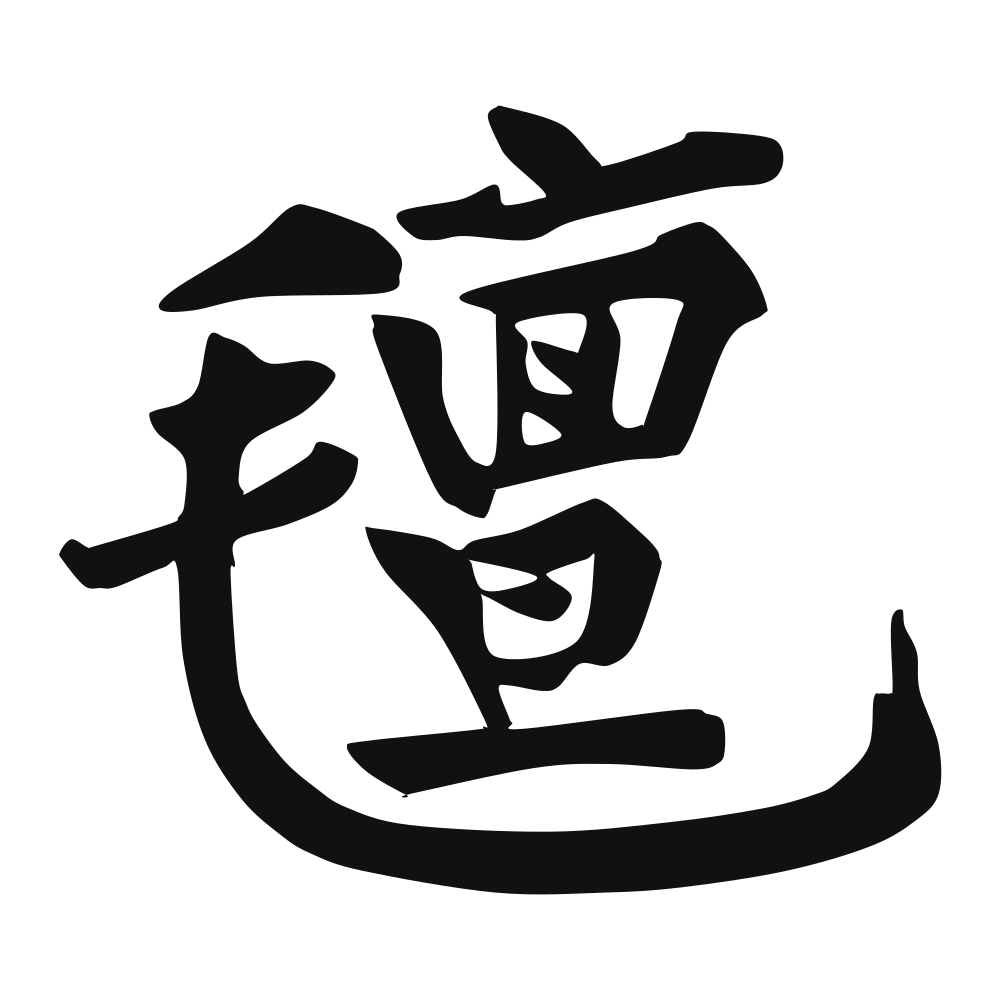
The Calligrapher — Huáng Tíngjiān 黄庭坚
Song master of elongated, radical running and cursive script.
Song calligrapher (1045–1105), master of running script/cursive script — Song master of long, sweeping, deliberately stretched running strokes. Song dynasty
Cultural Story
毡 is felt, made by matting animal wool with heat and pressure rather than weaving. The 說文解字 defines it as '撚毛也', compressed wool. Nomadic peoples of the northern steppe perfected 毡, using it for tents and warmth. In classical China it signaled the sturdy, portable comfort of the frontier and the pastoral north.
Common words & phrases
- 毡房 yurt · felt tent
- 毡帽 felt hat
- 毡子 felt
- 毡靴 felt boots
Read the story behind the character
毡 still means felt: herders live in a 氈房 (yurt, felt tent), old men wear a 氈帽 (felt hat) in winter, and 氈靴 (felt boots) keep feet warm on the steppe. A craft lover buys a piece of 氈子 (felt) to make coasters. The word evokes warmth and the rough coziness of wool.
Why this character belongs on skin
The nomad's tent holds the cold at bay with nothing but pressed wool, the hair of the flock beaten and rolled until it becomes a warm wall against the wind. This is felt—the character pairs the woven radical with the sound of a blanket spread, the humble stuff of saddles, mats, and the boots that crossed the steppe. The Buddhists sat on felt beneath the tree and reached awakening without a throne; the warrior wrapped his horse in it against the night. There is a quiet dignity in the material that asks for nothing fine, that earns warmth by being beaten into use. To carry this mark is to honor the plain and useful, the comfort made by hand and necessity. Let it rest where the body meets the world, at the shoulder or the heel. The ink is a small swatch of felt against your skin, a permanent warmth you carry from no fireplace at all.
Own this character
Purchase delivers the original SVG of this glyph, brushed by Huáng Tíngjiān 黄庭坚, ready to place on skin, paper, or screen.