
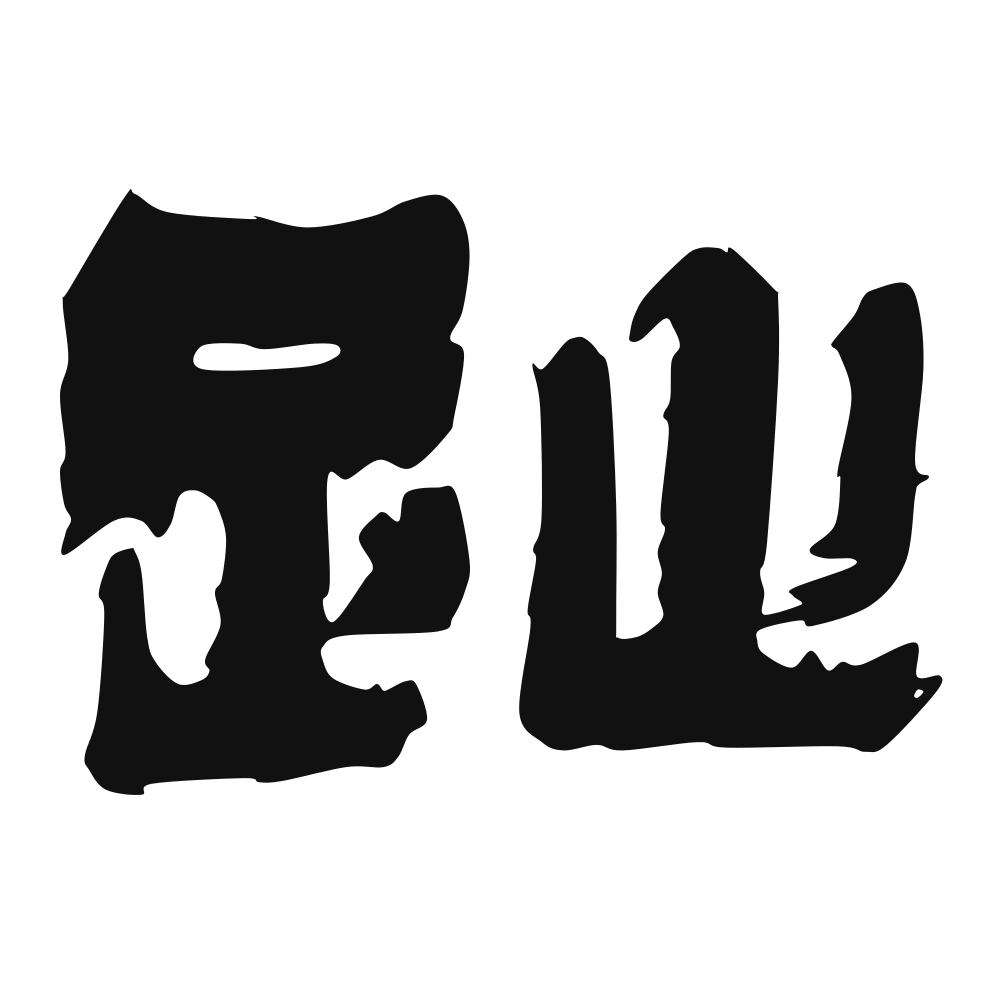
The Calligrapher — Jīn Nóng 金农
Qing 'Eight Eccentrics' master of archaic clerical script.
Qing calligrapher (), master of clerical script/regular script — Qing lacquer-script original, blunt brush, unmistakable. Qing dynasty
Cultural Story
The 左传 records Dou Bohi warning that Qu Xia, the Moao, 举趾高, lifts his feet high as he leaves, a sign his heart is not steady, the seed of the later phrase 趾高气扬, haughty. 趾 is the toe, the body's forward point, and pride, the old courtier saw, shows first in how a man steps.
Common words & phrases
- 脚趾 toe
- 趾甲 toenail
- 趾高气扬 arrogant · haughty
Read the story behind the character
At a shoe store, a clerk measures a 脚趾, toe, and trims a 趾甲, toenail, while a boss who 趾高气扬, struts arrogantly, loses the room. A runner tapes a blister between toes. The phrase the chronicler coined about a vain official now names the swagger of anyone who walks too pleased with himself. The toe that points forward still signals, as the chronicler saw, a man's pride.
Why this character belongs on skin
Before language, there was the toe. The first thing a child touches the earth with is not the hand but the foot, and at its tip the small, stubborn toe that insists on its own direction. In the old armies, the march was counted from the toe—heel, toe, heel, toe—a prayer repeated until the body forgot it was afraid. Buddhism speaks of the first step on the path being the hardest, and it is taken with this small bone. A lover's toes curling against the sheet is a confession no mouth will make. We are creatures who stand upright and forget the humble architects beneath us, the ten quiet soldiers holding the whole weight of the self. Ink one here, at the base, where the body meets the ground and says: I am here, I am staying.
Own this character
Purchase delivers the original SVG of this glyph, brushed by Jīn Nóng 金农, ready to place on skin, paper, or screen.