
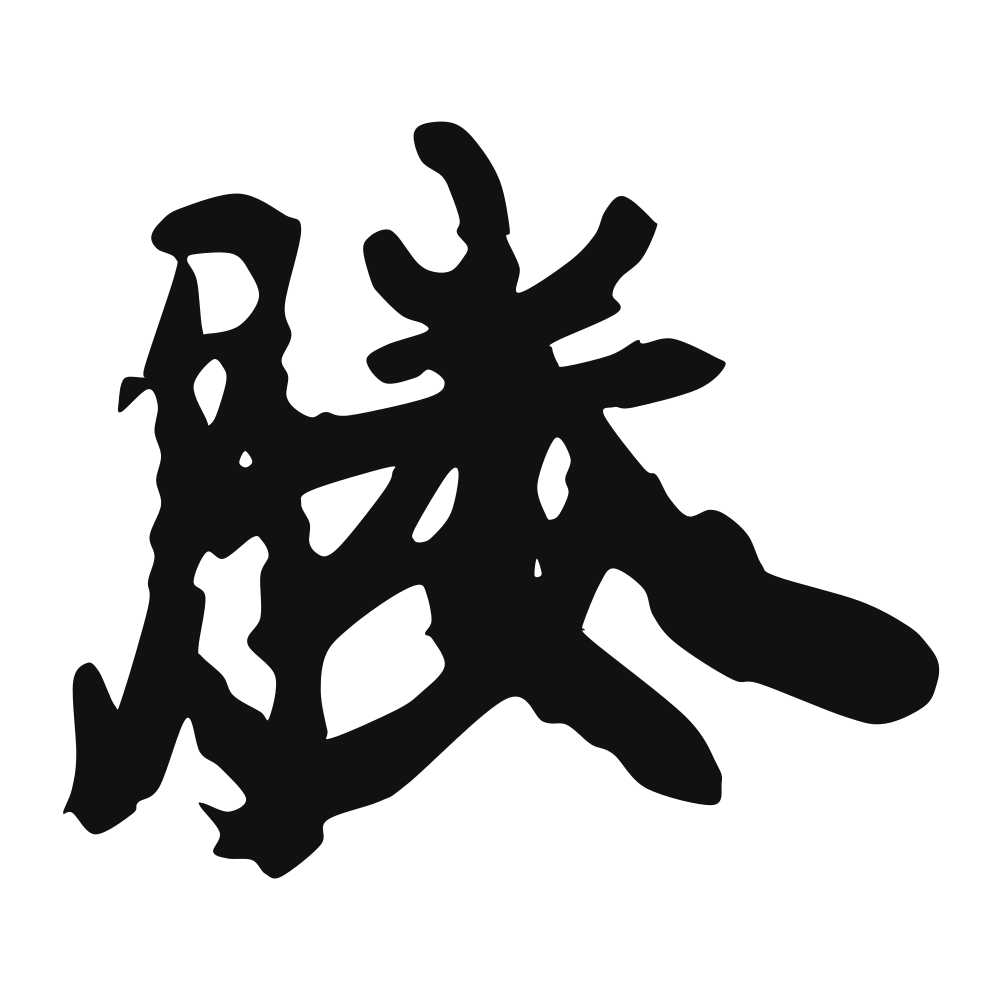
媵
maid escorting bride to new home; concubine
Closest English meanings
attendant·concubine
The Calligrapher — Kāng Yǒuwéi 康有为
Qing reformer and theorist who championed stele-based calligraphy.
Qing calligrapher (), master of regular script — Qing reformer-scholar who championed the rugged stele-school aesthetic. Qing dynasty
Cultural Story
Under Zhou marriage custom a noble bride traveled with 媵 — her sisters and nieces, sent as secondary wives to bind alliances. The 'Lessons of the States' and bronze inscriptions record these attendants; a 媵人 served the principal wife, a 媵妾 ranked below her. The practice faded after the Han, but the graph preserves an entire politics of contracted marriage.
Common words & phrases
- 媵妾 concubine
- 媵人 attendant
Read the story behind the character
You will not hear 媵 on a street, yet costume dramas like 'The Legend of Mi Yue' populate palaces with 媵妾 attendants, and historical novels lean on the word for authenticity. In museums 媵 vessels — bronze 媵器 — sit labelled as wedding gifts of the aristocracy. The character now lives in the antique and the filmed past.
Why this character belongs on skin
In the oldest marriage rites, no bride traveled alone. 媵 is her escort — the kinswoman who accompanied her into the new house, and by extension all who accompany: the one who goes with, who stands slightly behind, whose presence is itself the blessing. The character holds an old, tender social truth — that every great crossing needs someone beside you, that even a wedding is not one person's journey. History dressed it in hierarchy; strip that away and what remains is devotion, the fierce art of accompanying. There are people who are not the protagonist and yet hold entire lives together: the second chair, the one who carries the other's silence, who stands in the doorway at the crucial hour. To wear 媵 is to honor that role in yourself or in the one who played it for you — companion, witness, keeper of the vow beside the vow. Ink it over the shoulder blade, the place where another hand would rest. Let it mean: I do not cross alone, and I have never let anyone else cross alone either.
Own this character
Purchase delivers the original SVG of this glyph, brushed by Kāng Yǒuwéi 康有为, ready to place on skin, paper, or screen.