
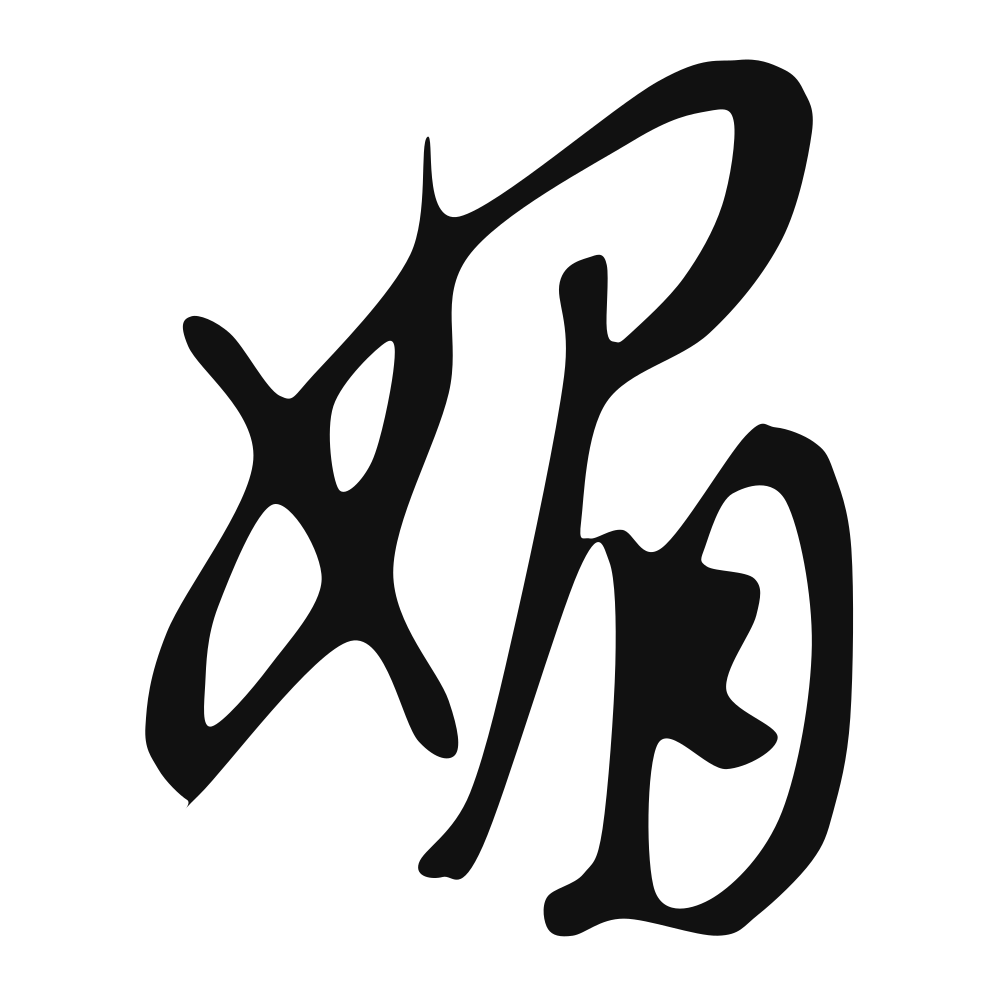
媚
(bound form) to flatter; (bound form) charming
Closest English meanings
to flatter·charming·coquettish
The Calligrapher — Kānglǐ Náonáo 康里巎巎
Yuan cursive master of Kipchak origin, paired with Zhao Mengfu as 'North-Nao, South-Zhao.'
Yuan calligrapher (1295–1345), master of cursive script — known for 《谪龙说》. Yuan dynasty
Etymology & Meaning · 字义溯源
2 · The Character: 媚 媚 (mèi, 4th tone). Shuowen Jiezi: 媚,說也。从女眉聲 — 'to please (說 = 悅, to delight); from 女, with 眉 (eyebrow) as phonetic.' The eyebrow in the phonetic is not accidental to how the word feels: 媚 is pleasing through expression. The Shijing uses it warmly: 《詩·大雅·下武》 '媚兹一人,應侯順德' — to be beloved of this one man, matching him in compliant virtue. The Tang gave it its most quoted line — Taizong on Wei Zheng, 《新唐書·魏徵傳》: '人言魏徵舉動疏慢,我見其嫵媚' — people call Wei Zheng offhand and rude; I find him charming. But the Shangshu had already fixed the shadow: 《書·囧命》 '便辟側媚' — sycophants and flatterers; and 《史記·佞幸傳》 '非獨女以色媚,士宦亦有之'. Honest disclosure: 媚 splits cleanly in two. 明媚 (bright and lovely), 嫵媚 (gracefully charming) are positive; 諂媚 (to fawn), 媚外 (to toady to foreigners — a live political slur) are not.
Cultural Story
In the classical tradition 媚 meant to please and to flatter — 妩媚 for natural charm, 谄媚 for servile pandering, and 明媚 for bright, lovely scenery. The 楚辭 warns against 媚俗, catering to vulgar taste, marking the line between true grace and bought approval.
Where a Western reader can stand: Where a Western reader can stand: 'charm, allure' — the pleasing line, Taizong's 我见其妩媚; but 媚 is honestly half-negative (谄媚, 媚俗) and 崇洋媚外 is an active political accusation, especially pointed on a non-Chinese wearer — never ink it alone, pair it (明媚).
Common words & phrases
- 妩媚 charming
- 谄媚 to flatter
- 媚眼 coquettish eyes
- 明媚 bright and beautiful
- 媚俗 cater to vulgar taste
Read the story behind the character
In the modern world 媚 travels between charm and flattery. A lover's 妩媚 smile disarms; a courtier's 谄媚 is mocked, and a 媚眼 glance flirts across a room. We call spring 明媚 and scold art that 媚俗 for cheap applause. The word judges whether allure serves feeling or mere approval.
Why this character belongs on skin
媚 was once dismissed as 媚俗, pandering to the crowd — but we are reclaiming it as pure magnetic grace, the gaze that knows its worth. Picture the courtesan in the old scroll, not diminished but radiant with self-possession, her charm a weapon she wields with a smile. You have been told your allure was too much, too queer, too unruly to be respectable. Good. 媚 is the seductive power that answers to no one's comfort but your own. It is the sway in your walk, the eye contact that doesn't break first, the body that takes up its full, glorious room. To ink it is to declare your seduction is yours alone to give. Some of us were made to bewitch, and we owe no one an apology for the spell.
Own this character
Purchase delivers the original SVG of this glyph, brushed by Kānglǐ Náonáo 康里巎巎, ready to place on skin, paper, or screen.