
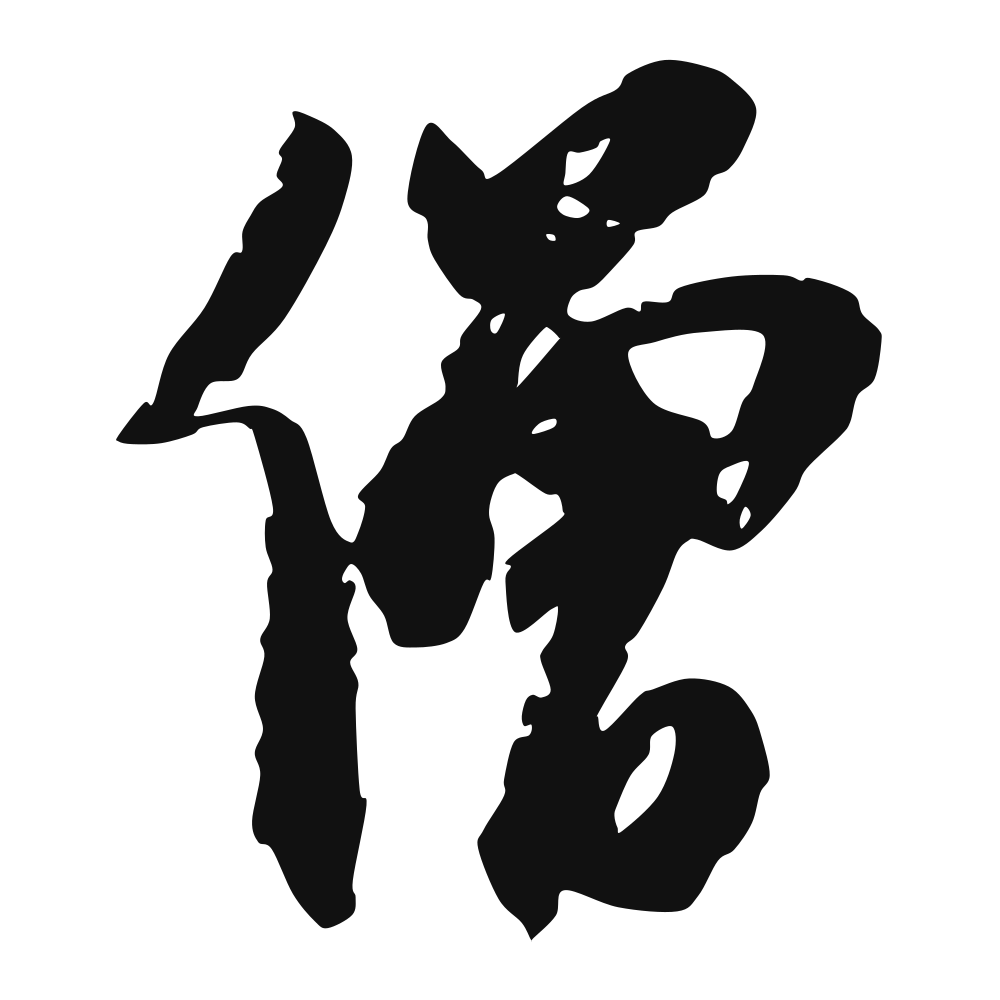
僧
(bound form) Buddhist monk (abbr. for 僧伽[seng1 qie2])
Closest English meanings
monk·Buddhist monk·cleric
The Calligrapher — Lǐ Jiànzhōng 李建中
Early-Song 'Li Xitai', a Tang-to-Song bridge figure famed for calm, classical running script.
Song calligrapher (945–1013), master of running script — known for 《土母帖》. Song dynasty
Etymology & Meaning · 字义溯源
2 · The Character: 僧 僧 (sēng, 1st tone) means 'Buddhist monk' — a transliteration of Sanskrit saṃgha (the monastic order, 僧伽), written with the person-radical and the sound 曾. It is specifically Buddhist: a shaven-headed renunciant in robes, not a Christian monk (修士) or a priest (神父).
Cultural Story
The monk Xuanzang walked to India in the seventh century and brought back the sutras that filled a shelf of the faith; his "Record of the Western Regions" maps the road. The word 僧, from the Sanskrit samgha, names one who left the house for the robe. A 高僧 was a master whose virtue drew disciples to the gate.
Where a Western reader can stand: Li Jianzhong (Li Xitai, 945–1013) was an early Northern Song calligrapher whose warm, unhurried running script bridged the Tang and Song styles and was admired by Su Shi. 僧 in that gentle hand is the Buddhist monk rendered with humanistic calm. Honest caveat: 僧 is specifically Buddhist — a shaven-headed renunciant, not a Christian monk (修士) or a priest (神父). On skin it signals Buddhist commitment; pair it with a temple image (佛像) or keep it as a quiet self-label. It is not 'sage' or 'priest'.
Common words & phrases
- 僧人 monk · Buddhist priest
- 僧侣 monks · clergy
- 高僧 eminent monk · master
- 僧院 monastery · temple
Read the story behind the character
A 僧人 rings the bell at dawn; 僧侣 in maroon file past the tourists. The 高僧's talk draws a hall, and a 僧院 takes in the orphaned cat. The word still means the ordained — a monk, a clergy — the shaven head in the street, the quiet figure whose life is pledged to a rule most passersby will never keep.
Why this character belongs on skin
A shaved head, a gray robe, a bowl held out with both hands — 僧 is the monk, the one who walked away from the world in order to see it clearly. The character came from India with Buddhism itself, sangha rendered into Chinese ink, but it took root in mountain mists and tea farms and became something local, weathered, beautiful. The monk owns almost nothing and is afraid of almost nothing; his poverty is a doorway, not a wound. Bodhidharma sat facing a wall for nine years; hermits of every faith — desert fathers, forest sages — made the same wager: that by subtracting, you add. To wear 僧 is not to claim you live in a temple. It is to claim the monk's independence: that you have released your grip on what was never yours, that your possessions have begun to fear you. Ink it over the heart or high on the back, between the shoulder blades where hands meet in prayer, and walk lighter.
Own this character
Purchase delivers the original SVG of this glyph, brushed by Lǐ Jiànzhōng 李建中, ready to place on skin, paper, or screen.