
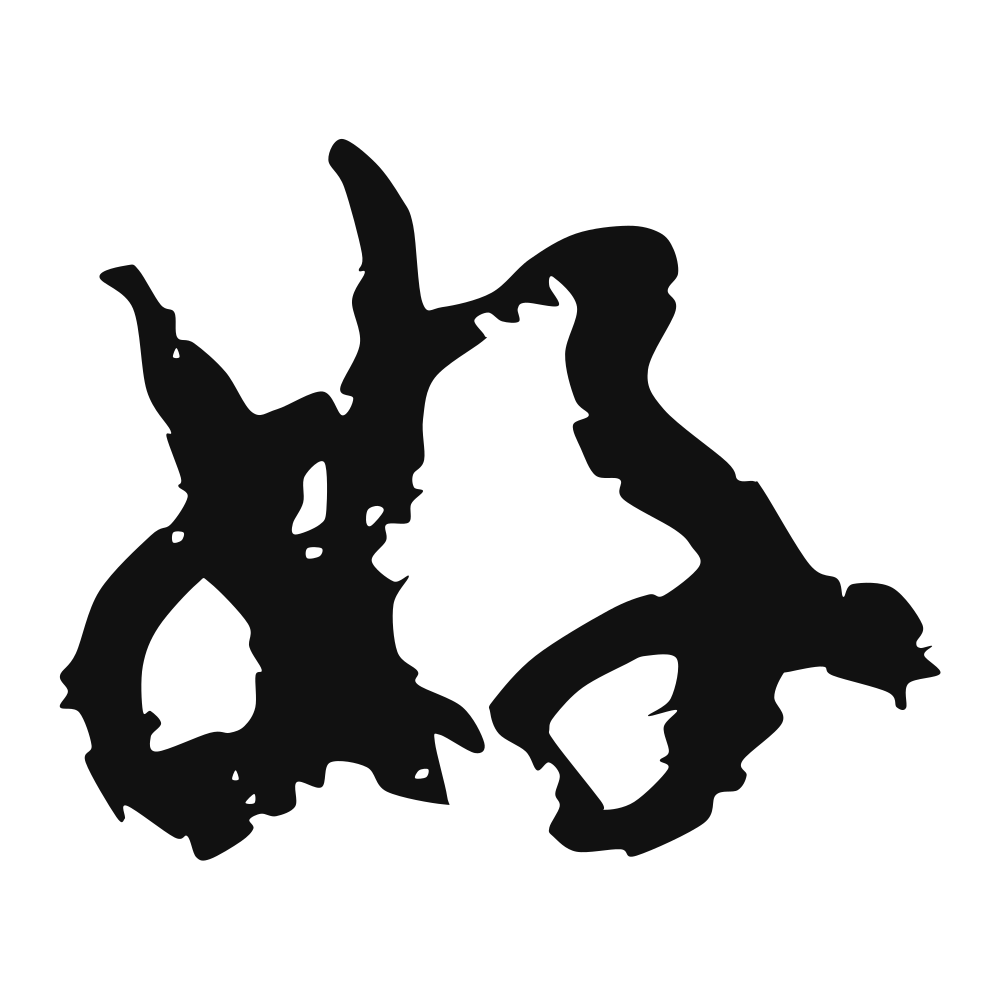
好
good; appropriate; proper; all right!; (before a verb) easy to; (before a verb) good to; (before an adjective for exclamatory effect) so; (verb complement indicating completion); (of two people) close; on intimate terms; (after a form of address) hello; to be fond of; to have a tendency to; to be prone to
Closest English meanings
good·well·friendly
The Calligrapher — Lǐ Jiànzhōng 李建中
Early-Song 'Li Xitai', a Tang-to-Song bridge figure famed for calm, classical running script.
Song calligrapher (945–1013), master of running script — known for 《土母帖》. Song dynasty
Etymology & Meaning · 字义溯源
2 · The Character: 好 好 (hǎo, 3rd tone; hào, 4th tone). Shuowen Jiezi: 好,美也。从女子 — 'beautiful; from 女 (woman) and 子 (child).' Whatever one makes of that composition, the character the Chinese language chose for 'good' is a woman and a child side by side. It carries both tones and both grammars. As hǎo: 《詩·周南·關雎》 '窈窕淑女,君子好逑' — a fine match; 《詩·鄭風·女曰雞鳴》 '琴瑟在御,莫不靜好' — zither and lute at hand, nothing that is not quietly good. As hào, 'to be fond of': 《論語·雍也》 '知之者不如好之者,好之者不如樂之者' — knowing is less than loving; loving is less than delighting. 好 is a free morpheme and a positive one. Honest disclosure: it is also the single most ordinary word in the language — 好 alone reads as 'OK / fine / sure,' the verbal shrug of daily speech — and hào heads 好色 (lecherous). The risk here is banality, not offence.
Cultural Story
The Shuowen reads 好 as 美也, good and beautiful, and shows why: a woman (女) and a child (子) together, the mother with her baby, the oldest picture of well-being. The Shi Jing calls the beloved 好, and Confucius prized the 好 person who loves learning and kin. The word also means 'to like' — 好之 — so that to call something 好 is at once to judge it fine and to lean toward it. From a mother's arms, 好 became the word for all that is right.
Where a Western reader can stand: Where a Western reader can stand: 'good' — the oldest picture of the good, a woman with her child; and read hào, the verb 'to love' (好古, the love of antiquity), in the warm transitional hand of Li Jianzhong. Honest note: both readings are positive; his attribution rests on transmitted works admired across the Song.
Common words & phrases
- 好像 seem · as if
- 好人 good person
- 好处 benefit · advantage
- 友好 friendly
- 美好 beautiful · fine
- 刚好 just right · happen to
Read the story behind the character
The sky 好像 (seems, as if) it will rain, so they take umbrellas; everyone calls him a 好人 (good person) for helping. A walk after dinner has real 好處 (benefit, advantage) for health, and the two nations stay 友好 (friendly). A 美好 (beautiful, fine) memory fills the photo album, and the bus arrives 剛好 (just right, happens to) as they reach the stop. 好 is the modern word for good and almost — the friendly judgment and the lucky timing of ordinary days.
Why this character belongs on skin
A mother with a child in her arms — that was the ancient picture of good. Before philosophy got its hands on the word, 好 was simply a woman and the small life she held, and the world agreed that this was right. We lose that. We think good is earned, measured, argued. But the character remembers something softer: that goodness might begin with holding, with the warm weight of another body against yours. To carry 好 is to make a small vow against cynicism — to believe that what is tender is also what is true. Let it sit near your heart, a quiet counterweight to a world that confuses winning with worth. Some marks are armor. This one is a hand on your shoulder, reminding you which way home is.
Own this character
Purchase delivers the original SVG of this glyph, brushed by Lǐ Jiànzhōng 李建中, ready to place on skin, paper, or screen.