
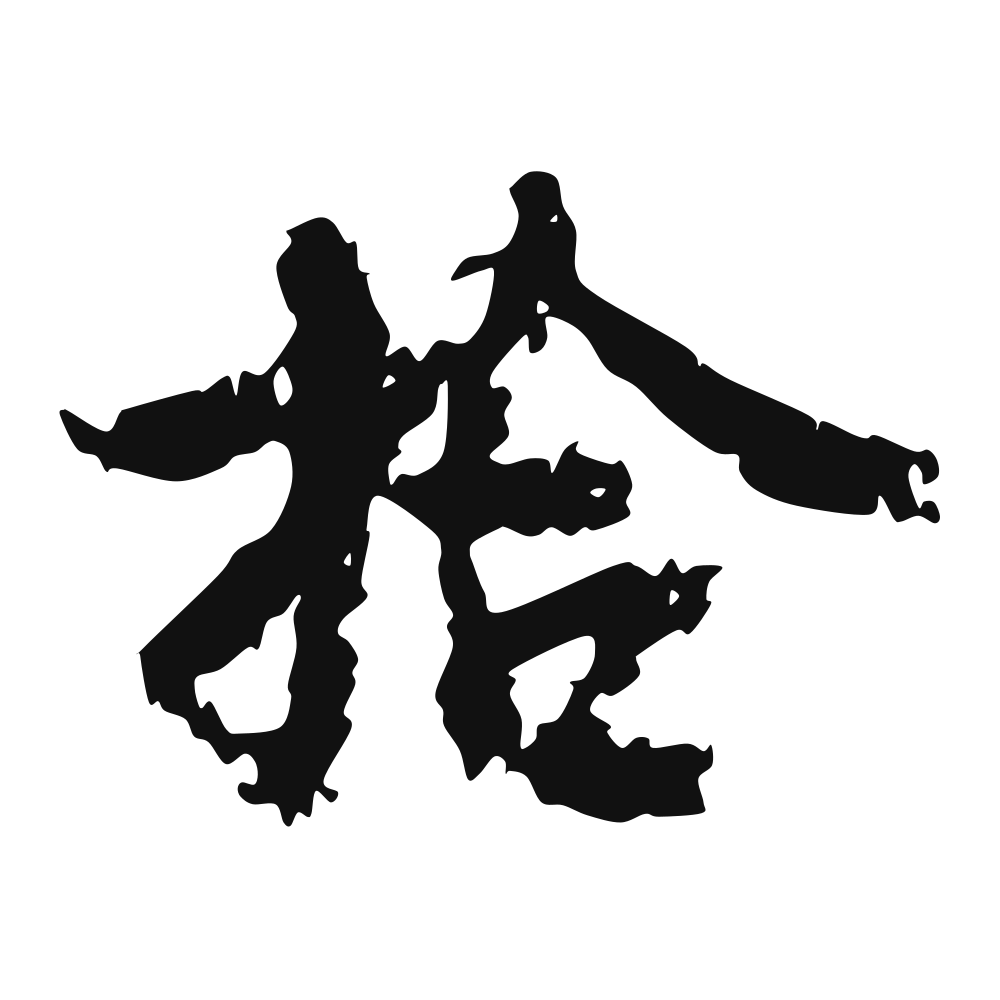
拾
to ascend in light steps; to pick up; to collate or arrange; ten (banker's anti-fraud numeral)
Closest English meanings
pick up·collect·ten·gather
The Calligrapher — Lǐ Jiànzhōng 李建中
Early-Song 'Li Xitai', a Tang-to-Song bridge figure famed for calm, classical running script.
Song calligrapher (945–1013), master of running script — known for 《土母帖》. Song dynasty
Etymology & Meaning · 字义溯源
2 · The Character: 拾 Shí (拾) means to pick up, to gather, or (as a numeral) 'ten' (used in checks/formal counting). It is the hand that collects.
Cultural Story
The formal numeral for ten, 拾, appears on checks and contracts beside 柒 and 捌 to stop a forger's pen. And Du Fu once held the post of 左拾遺, the left rectifier who 拾 up what the emperor let fall. The character is both bookkeeping and conscience, the same hand that balances a ledger also catching the ruler's dropped duties.
Where a Western reader can stand: Where a Western reader can stand: 拾 is 'to pick up, to gather' — the hand that takes back what fell — the attention word of 拾级而上, climbing step by step, and 拾遗, gathering what was lost. Honest caveat: it is also the formal numeral for ten, the anti-forgery cheque character, so on paper a Chinese reader may see 'ten yuan' before 'pick up'; the homophones 食 (eat), 时 (time) and 实 (real) sit close in sound. Li Jianzhong's mellow transitional hand grounds it as care: the man who carried the Tang inheritance safely into the Song, picking up the pieces so nothing was lost.
Common words & phrases
- 拾取 pick up · collect
- 收拾 tidy up · put in order
- 拾荒 scavenge · collect scraps
- 拾遗 pick up lost items · make good omissions
Read the story behind the character
You 收拾 the room; a 拾荒者 gathers cans from the gutter; a reader 拾取 a dropped thread of the plot. The rectifier is a civil servant now, but the basic motion — bend, take up what was dropped — still belongs to the poor and the tidy alike, and the emperor's lost virtue is now a dropped sweet wrapper.
Own this character
Purchase delivers the original SVG of this glyph, brushed by Lǐ Jiànzhōng 李建中, ready to place on skin, paper, or screen.