
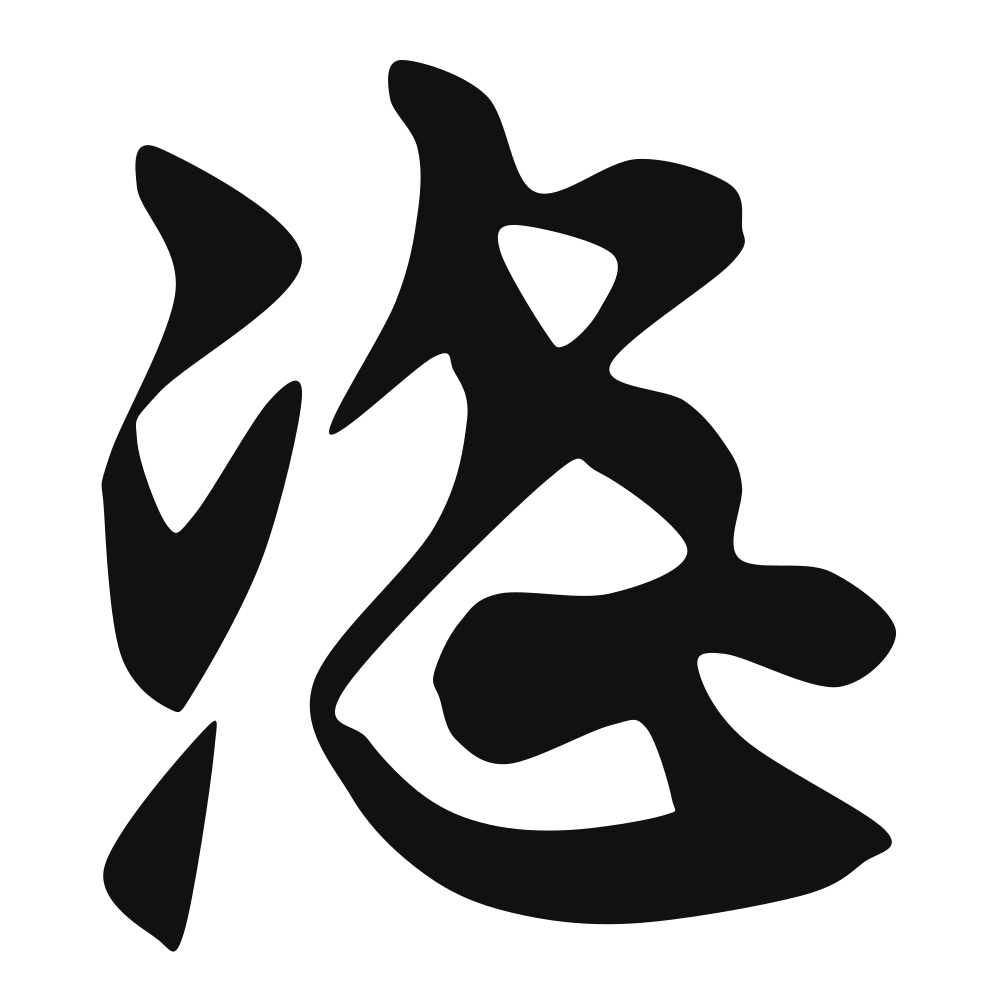
恣
to abandon restraint; to do as one pleases; comfortable (dialect)
Closest English meanings
unrestrained·wilful·indulgent
The Calligrapher — Lǐ Lóngjī 李隆基
Tang Emperor Xuanzong who wrote the Shitai Xiaojing in eight-division clerical script (bafen).
Tang calligrapher (), master of 八分/regular script — known for 唐玄宗,《石台孝经》. Tang dynasty
Cultural Story
恣 is the will let off its lead. 恣意 is to do as you will, and the word carried the warning in the freedom — the unchecked move that soon becomes the excess. A character for the leash dropped, the road taken because no one said no, and the cost that follows the drop.
Common words & phrases
- 恣意 wilfully · recklessly · at will
- 恣情 to indulge · indulgent
- 恣肆 unrestrained · forceful (writing)
Read the story behind the character
恣意 is the charge a regulator files, 恣情 the indulgence a holiday permits, 恣肆 the force a critic grants a wild prose. The lead is a rule now; the drop is the same. We still let the will run, and call it freedom until it costs someone, which the old word already named as the leash's absence.
Why this character belongs on skin
The heart radical sits beneath, and above it a hand loosening its grip — 恣 is indulgence, wildness, the self running without bridle. It appears in the great poets as a term of appetite: to drink 恣意, to roam 恣情, to let the whole ungoverned self out into the world. Calligraphy has its own version, the wild-cursive masters whose brushes moved like spilled wine. This is not the freedom of philosophers but the freedom of the body at full speed — the swim in the dark sea, the laugh that startles the room. As a tattoo it is a flag planted in yourself: an announcement that you intend to spend your one life with the throttle open, heart first, hand unclenched.
Own this character
Purchase delivers the original SVG of this glyph, brushed by Lǐ Lóngjī 李隆基, ready to place on skin, paper, or screen.