
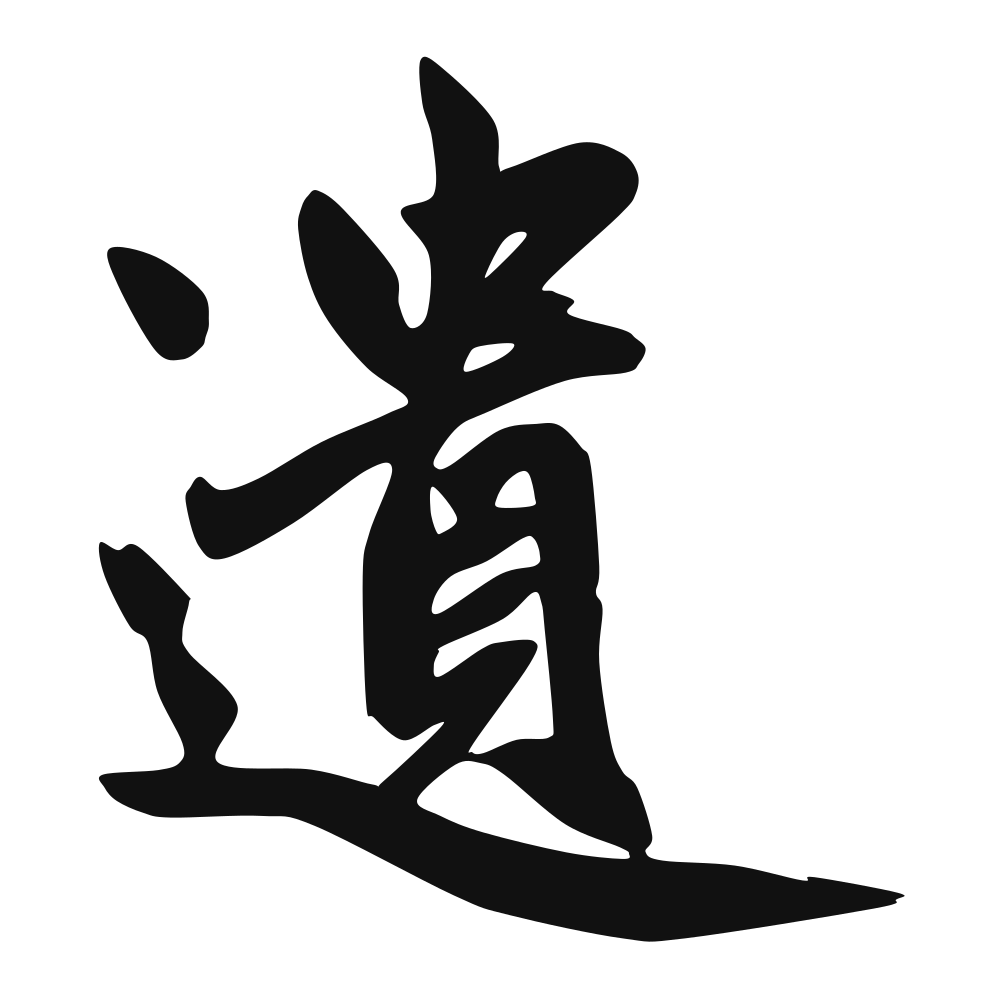
遗
(bound form) to leave behind
Closest English meanings
leave behind·lose·omit·bequeath
The Calligrapher — Liú Yōng 刘墉
Qing minister famed for rounded, 'cotton-hidden-iron' running script.
Qing calligrapher (), master of regular script/running script — known for 浓墨宰相. Qing dynasty
Cultural Story
Yi means what is left behind when someone or something has moved on — the stray coin, the ancestral saying, the regret. Han moralists praised districts where 'no one picks up lost goods in the road': yi as both the fallen thing and the lost trust.
Common words & phrases
- 遗产 heritage · inheritance
- 遗憾 regret
- 遗失 lose
- 遗留 leave behind
- 遗忘 forget
Read the story behind the character
Yi marks modern inheritance and loss: yichan (heritage) sites with timed-entry tickets, yihan (regret) the offer not taken, yishi (misplaced) the transit card again, yiliu (left over) data on the old phone, and the soft pang of yiwang (forget) — what the mind lets slip, like something dropped on a road and not retrieved.
Why this character belongs on skin
遗 is the character of what stays behind. Its old form set a hand in motion beside a precious thing — something carried, then set down, then gone. From that single gesture comes a whole family of meanings: to lose, to leave behind, to bequeath, to omit. 遗产 is inheritance; 遗书, the last written words; 遗憾, the ache of what was missed. The Buddhists would say the character simply states the human condition — everything we hold is already in the act of being left. And yet 遗 is not a sad word at its center. What you leave behind is the only biography that cannot be revised: the child's habit of speech, the garden, the way you said a person's name. To wear 遗 is to walk through your days as someone already writing — choosing, in each small act, what the ones after you will find.
Own this character
Purchase delivers the original SVG of this glyph, brushed by Liú Yōng 刘墉, ready to place on skin, paper, or screen.