
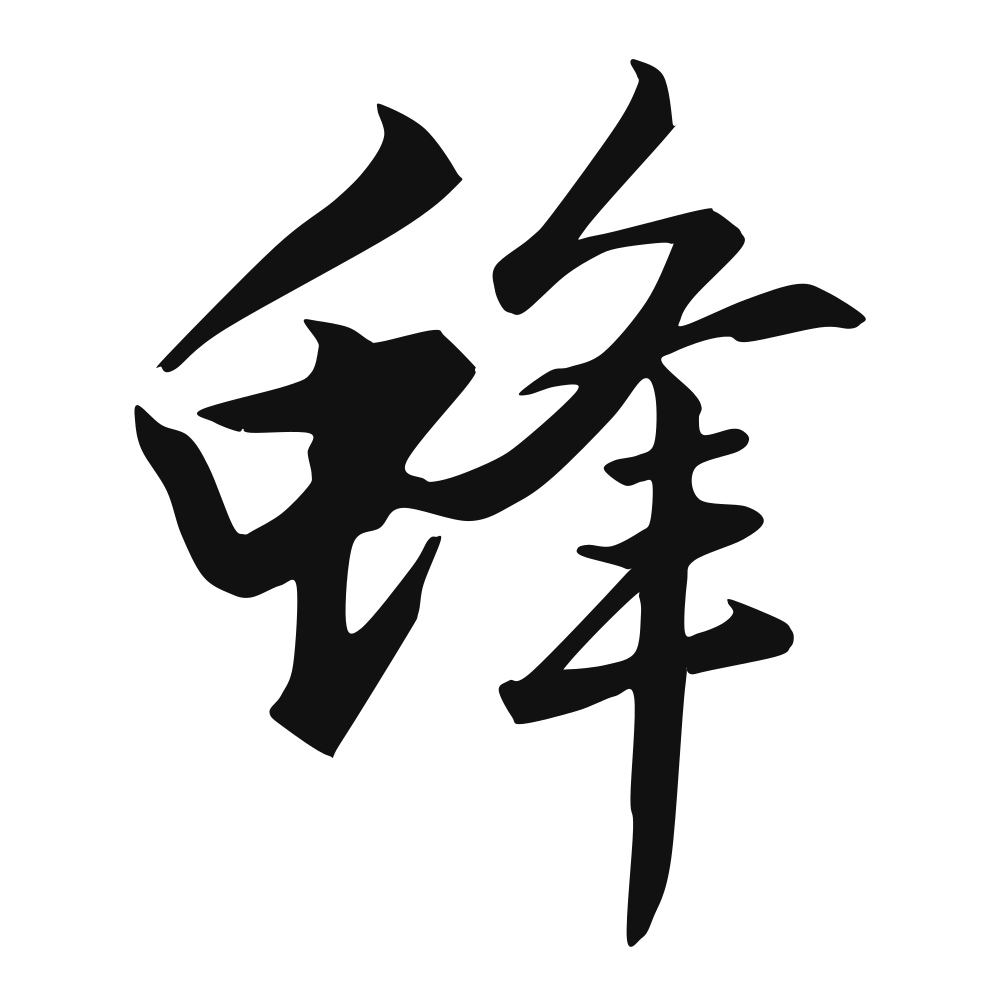
The Calligrapher — Lù Jī 陆机
Jin calligrapher of clerical-cursive script, author of the Pingfu Letter (Pingfu tie), earliest surviving work.
Jin calligrapher (), master of cursive script — known for 《平复帖》(存世最早墨迹). Jin dynasty
Cultural Story
蜂 is the bee, industry with a sting. Classical writers watched swarms and learned mass behavior: 蜂起, rising like bees, described rebellions erupting everywhere at once. Tribute lists carried mountain honey to court, herbalists prized it, and village boys learned the hard difference between the gentle 蜜蜂 and the armored 马蜂.
Common words & phrases
- 蜂蜜 honey
- 蜜蜂 bee
- 蜂窝 honeycomb
- 蜂王 queen bee
- 马蜂 hornet
Read the story behind the character
Beekeeping now travels by truck — hives chasing acacia and jujube blooms up and down the country — and supermarket shelves glow with jars of raw 蜂蜜 (honey). Kids learn why 蜂窝 (honeycomb) tiling inspires engineers, photographers stalk the 蜂王 (queen bee) in macro shots, and a picnic's peace ends the moment a 马蜂 (hornet) audits the melon.
Why this character belongs on skin
The bee is the oldest workhorse of civilization's sweetness — 蜂蜜, honey, and the character for bee sits inside it, worker and reward in one word. Everyone knows the proverb: 采得百花成蜜后, it visits a hundred flowers and turns them into honey — and the poets add, bitterly, to whom does the sweetness go? But there is a nobler reading. The bee embodies labor that is also devotion: thousands of small flights, each flower honored individually, the whole hive fed by precision and cooperation — a Confucian utopia with wings. It stings once and dies, which means a bee never spends its defense carelessly; even its violence is final and sincere. To wear this character is to claim the worker's grace — the craft of accumulating sweetness one small visit at a time, the discipline of returning home always. The sting is there too, quietly. But mostly it is the honey.
Own this character
Purchase delivers the original SVG of this glyph, brushed by Lù Jī 陆机, ready to place on skin, paper, or screen.