
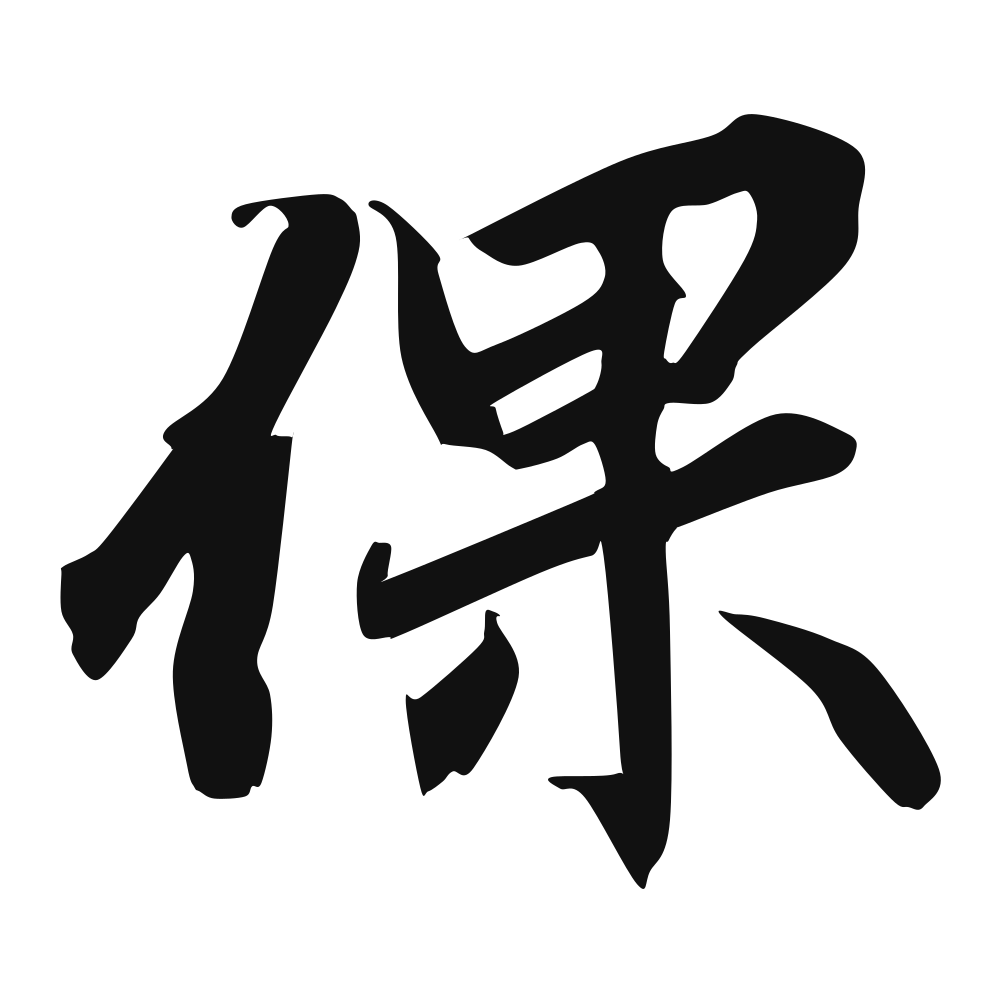
倮
倮 (luǒ) — consult a native speaker for the precise classical sense. A Chinese character. For a published pack, supply the Shuowen gloss and classical sense. This entry is auto-templated and needs fact-checking. Grammar: verify whether it stands alone or is bound
Closest English meanings
naked·bare
The Calligrapher — Lù Jiǎnzhī 陆柬之
Tang calligrapher and nephew of Yu Shinan; his running-script 'Essay on Literature' survives
Tang calligrapher (), master of running script — known for 《文赋》. Tang dynasty
Cultural Story
The "Monthly Ordinances" and the ritual canons sort living things into five classes of creatures; humans belong to the 倮虫, the naked ones, set against those with fur, feather, scale, or shell. The taxonomists of the Han court used 倮 to draw the line between people and beasts. It was a classifier of the natural world before it was any insult.
Common words & phrases
- 倮露 exposed · bare
- 倮体 naked body
- 倮虫 naked creatures (humans)
Read the story behind the character
A biology class labels the 倮虫 among five ancient creature classes on a worksheet. At the pool children run 倮体 from the water, unconcerned. A dermatology clinic photographs 倮露 skin for a chart. The old word for the bare human body now turns up in textbooks and examination rooms, a clinical term for what is simply uncovered.
Own this character
Purchase delivers the original SVG of this glyph, brushed by Lù Jiǎnzhī 陆柬之, ready to place on skin, paper, or screen.