
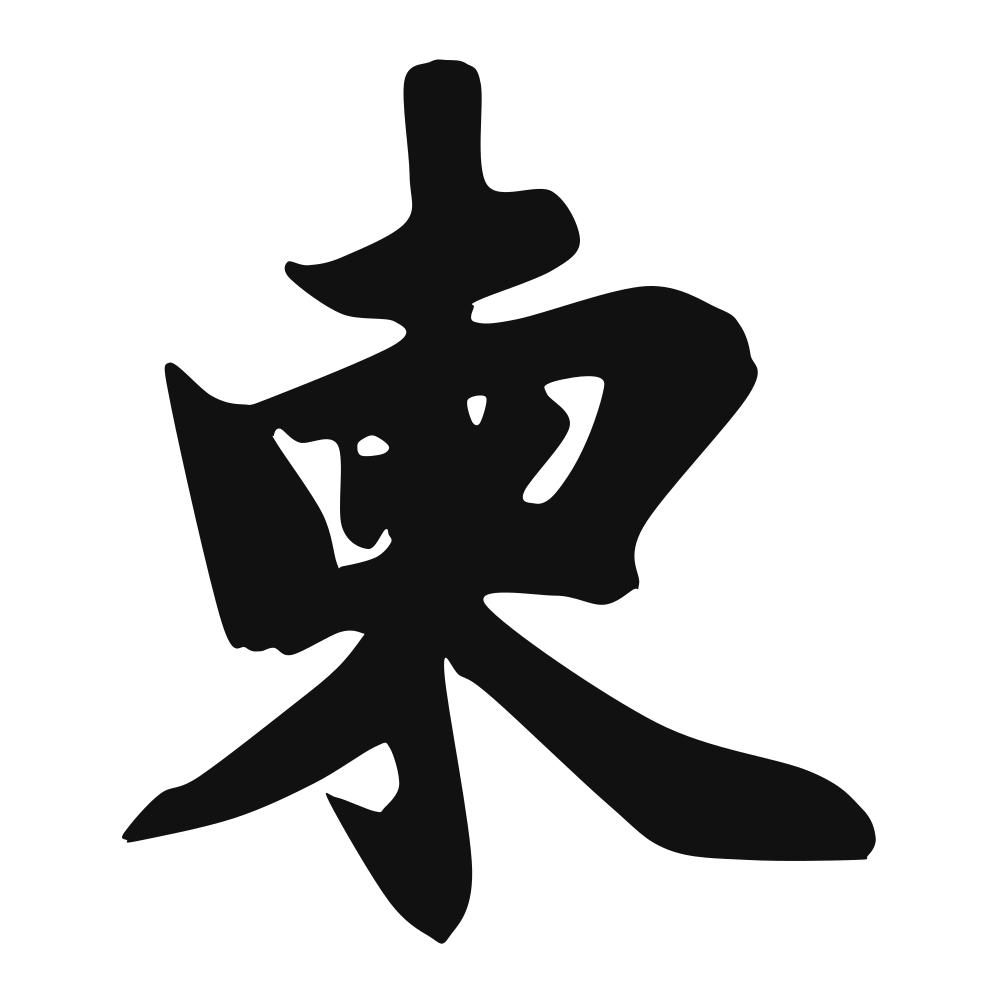
柬
card; note; letter
Closest English meanings
card·letter·note
The Calligrapher — Lù Jiǎnzhī 陆柬之
Tang calligrapher and nephew of Yu Shinan; his running-script 'Essay on Literature' survives
Tang calligrapher (), master of running script — known for 《文赋》. Tang dynasty
Cultural Story
柬 is a note cut from bamboo or paper — the pared-down message, the 请柬 an invitation, the 书柬 a letter. In the old postal world it was the lightweight word, the thing slipped into a sleeve. The character is the written approach, the small folded courtesies of a polite society that knew how to ask.
Common words & phrases
- 请柬 invitation card
- 柬帖 note · card
- 贺柬 congratulatory card
- 书柬 letter
- 名柬 name card
Read the story behind the character
柬 is the formal invite: 请柬 the engraved card for a wedding, 贺柬 the note with the gift, 名柬 the old name card a visitor left. You meet it at a banquet's door, not in a text. The character is ceremonial stationery, the paper that announces an occasion rather than carries a chat.
Why this character belongs on skin
A card arrives, hand-written, an invitation to something you didn't know you were waiting for. 柬 is the folded note, the formal summons, the thread of paper that binds guest to occasion in the classical wedding and the imperial decree alike. It is also the root of Cambodia, a far shore reached by messages carried across water. There is a tenderness in being invited, in being chosen rather than merely present. To mark yourself with this character is to remember that life is a sequence of thresholds and someone, somewhere, opened one for you. Let it rest on your skin like a sealed letter never opened, a quiet vow that you remain open to the summons—the unexpected call, the door, the person. This ink is your standing invitation to the world; wear it and you have already said yes.
Own this character
Purchase delivers the original SVG of this glyph, brushed by Lù Jiǎnzhī 陆柬之, ready to place on skin, paper, or screen.