
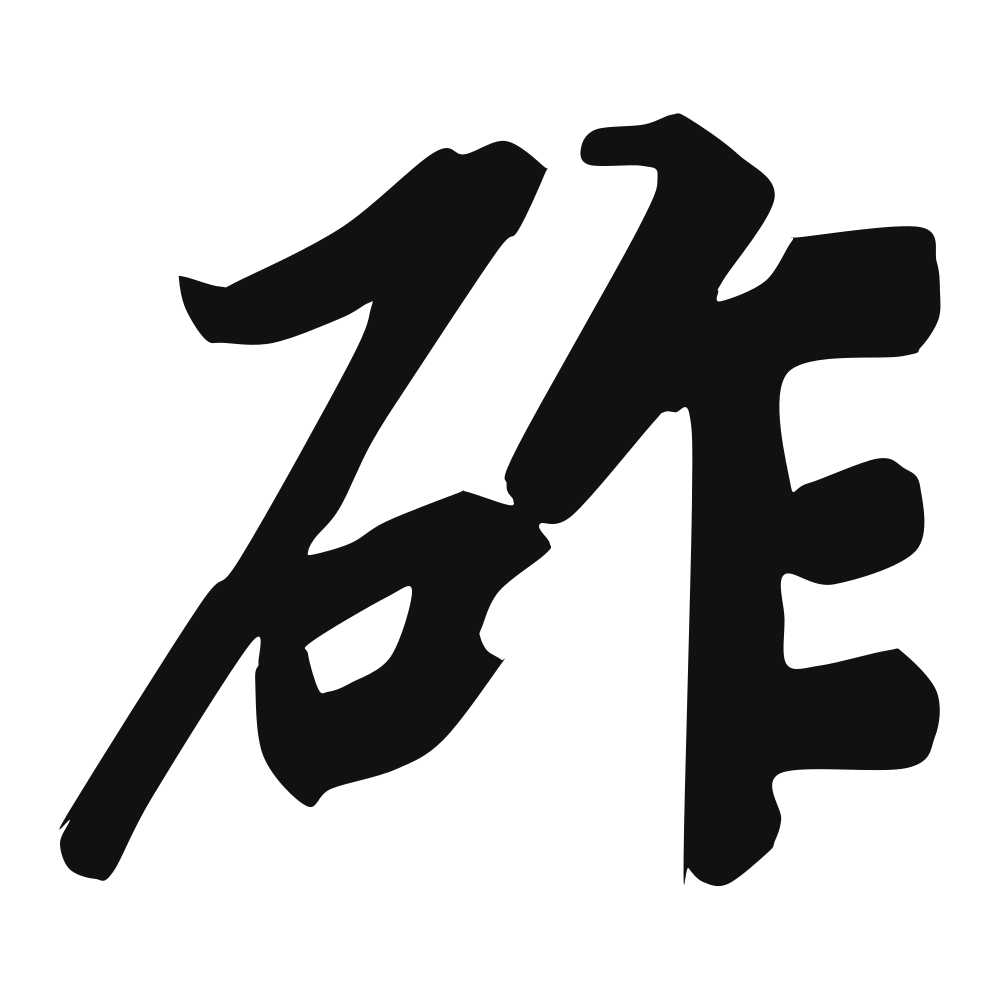
The Calligrapher — Lù Jiǎnzhī 陆柬之
Tang calligrapher and nephew of Yu Shinan; his running-script 'Essay on Literature' survives
Tang calligrapher (), master of running script — known for 《文赋》. Tang dynasty
Cultural Story
砟 is a workman's word: stone chipped loose in the quarry, clinker raked from a furnace. It never graced the classics; it lived in miners' slang, kiln yards, and kitchen courtyards, naming the rubble and cinders that fire and industry leave behind — the small, sharp debris that must be barrowed away before the next shift can begin.
Common words & phrases
- 石砟 stone chips
- 煤砟 coal cinders
- 炉砟 cinders
Read the story behind the character
Its habitats are industrial and domestic. Old northern courtyards stacked winter 煤砟 (coal cinders) by the door; garden paths were laid in sifted 炉砟 (stove cinders), black and porous; quarry trucks spill 石砟 (stone chips) down the grades. Railway engineers speak of 道砟 — the crushed-stone ballast bed — so every train you ride rests, quite literally, on this humble character.
Why this character belongs on skin
Quarries and coal yards kept this word busy: 砟, the broken stone, the lump chipped loose and shoveled toward the fire. It has none of monument in it. It is the vocabulary of the useful fracture—the piece that leaves the mountain so a house can be warm, a rail can run, a kettle can sing. Civilizations are built out of such fragments; the intact boulder helps no one. There is a quiet dignity here that deserves saying aloud. You have been broken—by loss, by work, by years—and the breaking did not end your usefulness. It began it. The Buddhists call this the wisdom of impermanence: nothing whole ever pours itself out. What fell away from you made you pourable, and what you fed afterward is the proof. Ink the fragment, not the rock. It remembers the fire it made possible, and so do you.
Own this character
Purchase delivers the original SVG of this glyph, brushed by Lù Jiǎnzhī 陆柬之, ready to place on skin, paper, or screen.