
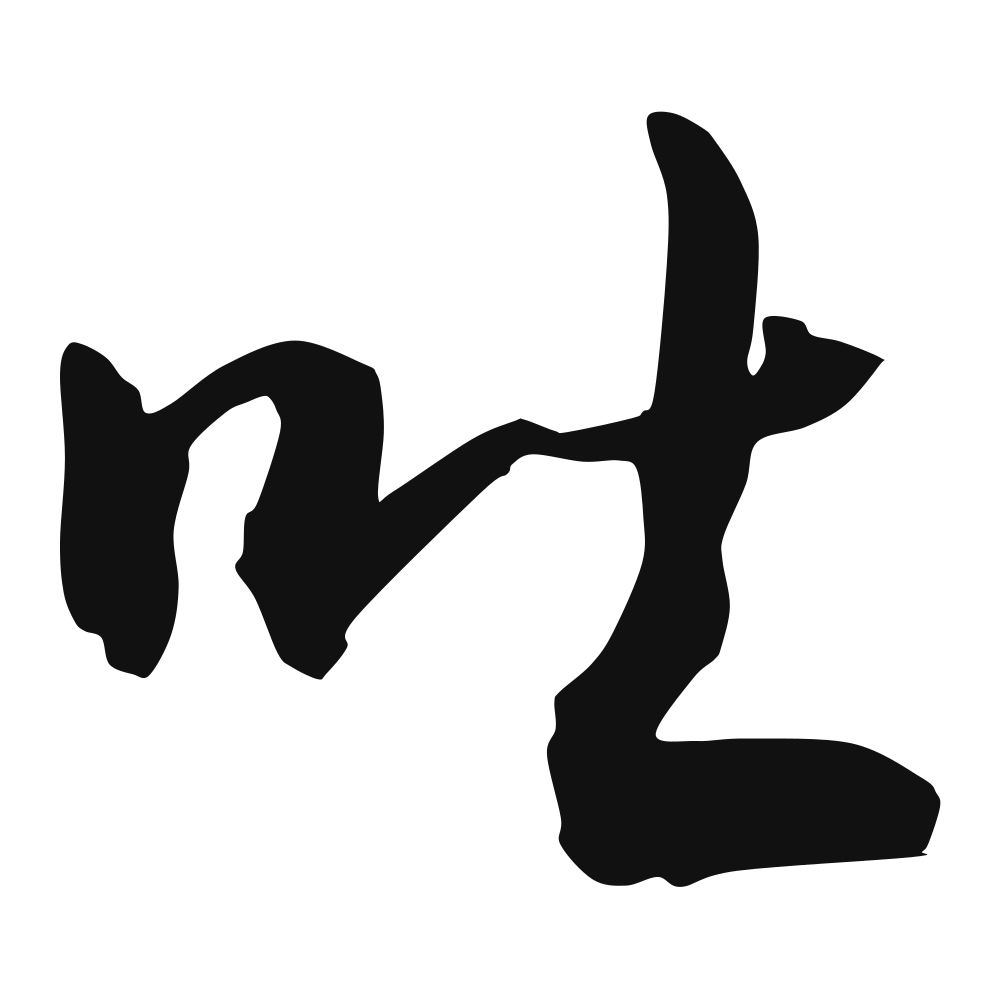
吐
to spit; to send out (silk from a silkworm, bolls from cotton flowers etc); to say; to pour out (one's grievances); to vomit; to throw up
Closest English meanings
spit·vomit·spew
The Calligrapher — Péi Xiū 裴休
Tang chancellor and calligrapher; author of the Guifeng Stele in regular script.
Tang calligrapher (), master of regular script — known for 《圭峰碑》. Tang dynasty
Cultural Story
吐 was to spit out, and to give forth. The Duke of Zhou, so busy receiving guests that he spat out his meal to rise -- 周公吐哺 -- became the image of a ruler who would not keep a visitor waiting; Cao Cao invoked it for his own hunger for talent. The word was the mouth releasing what it held, food or feeling.
Common words & phrases
- 吐痰 spit
- 吐血 spit blood
- 吞吐 take in and out
- 呕吐 vomit
- 吐露 reveal
Read the story behind the character
A 吐痰 fine is posted in the station; a passenger 呕吐 into the bag. A friend 吐露 the worry she had hidden; the river 吞吐 the tide. The word does the day's releasing -- the spit, the vomit, the confidence, the flow. It names what the body and the heart cast out, from the sidewalk to the confession, the thing given up and the thing given away.
Why this character belongs on skin
What is held inside, forced up and out — 吐 is to spit, to vomit, to finally speak the thing. It is confession in its rawest form, the secret that surfaces against your will and sets you lighter. We keep so much down: the love, the grudge, the truth that would change everything. 吐 is the courage of the upward motion, the refusal to swallow one more time. To wear it is to side with revelation, with the word that had to come. The character is blunt, bodily, unashamed. It suits the chest, over the heart that's done withholding. Not every truth is kind. But the unsaid rots; the spoken, even ugly, is finally free. Ink for the one who would rather be known than safe.
Own this character
Purchase delivers the original SVG of this glyph, brushed by Péi Xiū 裴休, ready to place on skin, paper, or screen.