
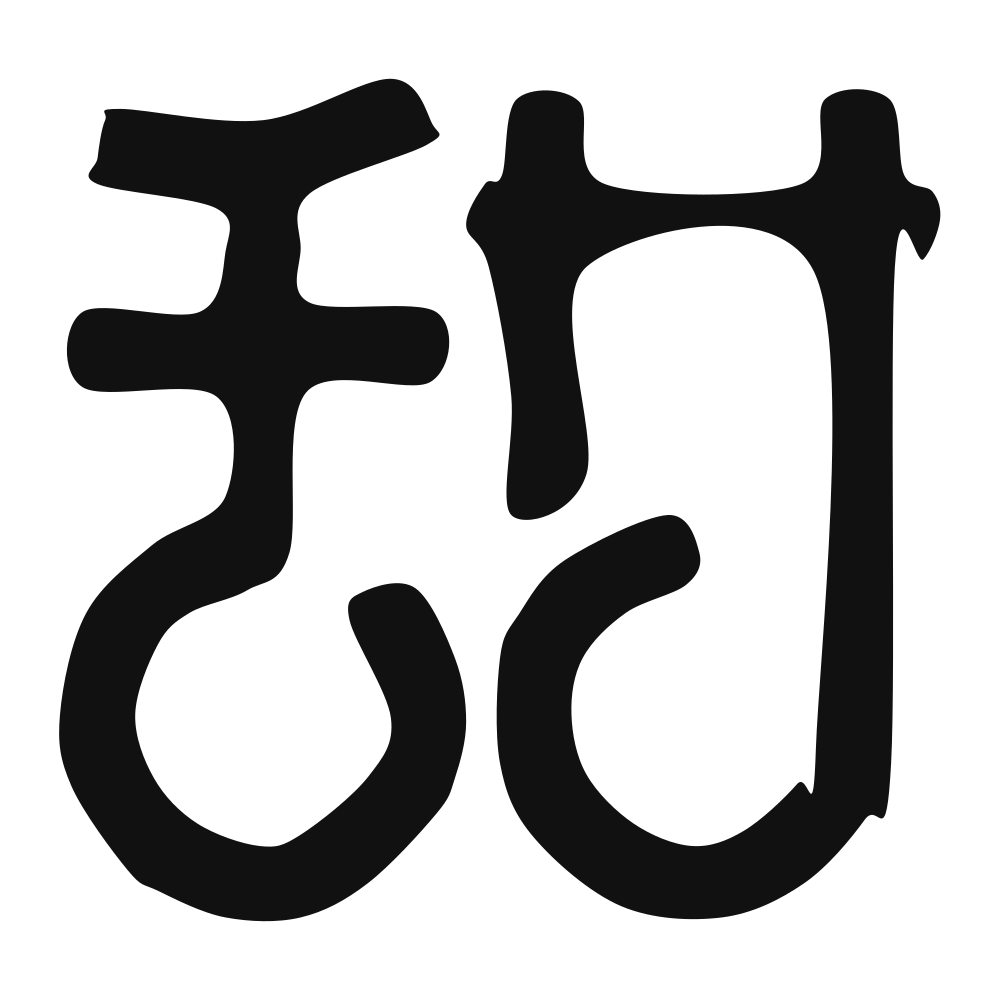
甜
sweet; (fig.) pleasant; endearing; lovely
Closest English meanings
sweet
The Calligrapher — Péi Xiū 裴休
Tang chancellor and calligrapher; author of the Guifeng Stele in regular script.
Tang calligrapher (), master of regular script — known for 《圭峰碑》. Tang dynasty
Cultural Story
Sweetness ran so deep in Chinese feeling that the character set off from the tongue early: sweet words could flatter or deceive, sweet sleep was deep sleep, and poets sighed that life's sweetness is only known after bitterness — 苦尽甘来's cousin in taste.
Common words & phrases
- 甜蜜 sweet · happy
- 甜味 sweet taste
- 甜美 sweet · pleasant
- 甜瓜 melon
- 香甜 sweet and fragrant
Read the story behind the character
Everyday modern life is drenched in it: a 甜蜜 honeymoon, songs like '甜蜜蜜' at every wedding, the 甜味, sweet flavor, we now track on nutrition labels, freshly baked bread smelling 香甜, and summer's 甜瓜, sweet melon, piled at fruit stalls. The character has never gone sour.
Why this character belongs on skin
It begins on the tongue and ends somewhere lower, a warmth that convinces the whole body it is safe. The character sets the plant radical above the mouth, as if sweetness were something grown and then tasted—the harvest that rewards the wait. Lovers know this better than saints; the Buddhists name craving as the root of sorrow, yet even they pause at the honeyed word. To be sweet is not to be weak. It is to have survived the bitter and chosen, deliberately, the flavor of mercy. A warrior who has seen the world's salt still reaches for sugar. To wear this is to refuse the cynical diet the century offers. You are allowed your sweetness, your small and serious pleasure, the person who makes the hard road taste of something worth arriving for. Let it sit where only someone close will read it—a private admission that you still believe in the gentle thing.
Own this character
Purchase delivers the original SVG of this glyph, brushed by Péi Xiū 裴休, ready to place on skin, paper, or screen.