
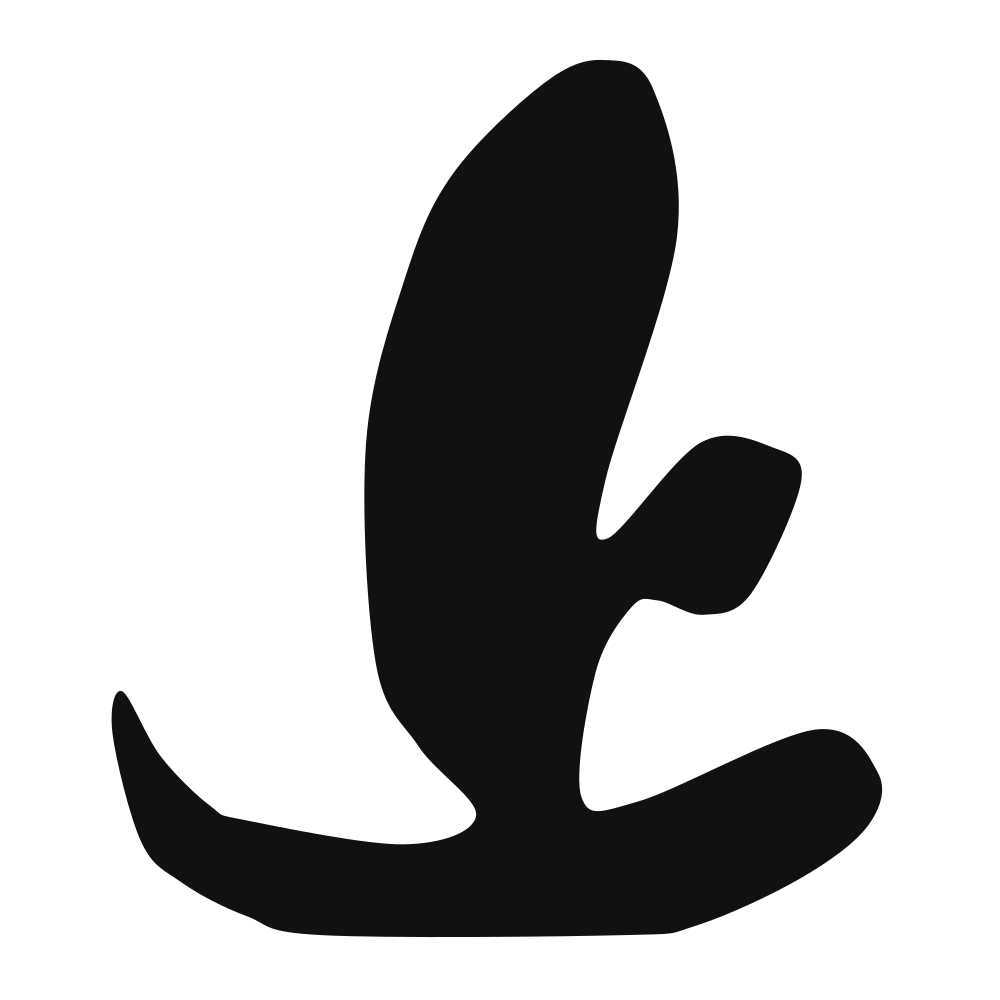
上
(bound form) up; upper; above; previous; first (of multiple parts); to climb; to get onto; to go up; to attend (class or university); (directional complement) up; (noun suffix) on; above
Closest English meanings
up·above·on
The Calligrapher — Shěn Zēngzhí 沈曾植
Late-Qing master of archaic, bony cursive script.
Qing calligrapher (), master of cursive script/running script — known for 碑帖融合. Qing dynasty
Etymology & Meaning · 字义溯源
2 · The Character: 上 上 (shàng, 4th tone) is, in Xu Shen's own hand, both word and diagram: 高也。此古文上,指事也 — 'high; this is the ancient form of 上, an indicative (指事) character.' Two horizontal strokes, the lower long and the upper short, point upward by position alone. Its classical reach is upward and aspirational: the Shijing (陈风·宛丘) and the Yijing (需) both speak of '雲上於天' (clouds rise above heaven); the Lunyu (子罕) places the Master '在川上' (upon the river bank); the Liji (曲礼) polices '席上' (at the mat's upper seat). As a free morpheme 上 means 'up, above, superior, to ascend,' and carries no negative charge — 上进, 上善若水, 上证. Honest disclosure: visually 上 is just two bars and on skin can be read as a fraction, a 'T', or a typo; in Japanese it is ue. It is abstract — pair it with a noun (上善, 上德) if you want the eye to land on a complete idea rather than a direction.
Cultural Story
上 and 下 are a pair drawn from a stroke above a line and a stroke below, the 說文's picture of high and low. In ritual the 上宾 sat north, closest to the ancestral tablets. 上书 meant to present a memorial upward to the throne. A stele carved 上谕 carried the emperor's word down to the provinces. Up was authority, direction, and the act of sending words higher.
Where a Western reader can stand: Where a Western reader can stand: 上 means 'up / above / superior', with no negative charge; Shen Zengzhi's cursive lifts it — but two bars can read as a fraction, so pair it (上善, 上进).
Common words & phrases
- 上面 above · on top · surface
- 上班 go to work
- 上学 go to school
- 上网 surf the internet
- 上来 come up
- 上午 morning · a.m.
Read the story behind the character
上班 is the daily commute, 上学 the school run, 上网 the phone in bed at midnight. 上面 means the surface of the desk or the page above. 上午 is the meeting you dread; 上来 is someone climbing the stairs. The word is the grammar of vertical life, what is higher, what is next, what you do when you leave the house. It orders the day before you have had coffee.
Why this character belongs on skin
上 is up — a stroke rising above the line, the higher place, the direction of skies and ancestors and ambition. Where 下 settled into the earth, 上 reaches; the two are a single breath of Chinese thought, descent and ascent held together. To carry 上 is to keep one eye on the heights — not out of vanity but devotion. The ancients placed the spirits 上, above, and the best of human effort was simply to rise toward them. It is the mark of someone who still believes in the upward pull, who has not given up on better. We are cynical about aspiration now, as if wanting more were shameful; this ink disagrees, gently. It is for the person who climbs inner staircases, who measures a life by its reach. Ink it where you look when you need to, a small north star on the skin. The down is real and necessary. But 上 is the direction you chose to face, and that choice is the whole of it.
Own this character
Purchase delivers the original SVG of this glyph, brushed by Shěn Zēngzhí 沈曾植, ready to place on skin, paper, or screen.