
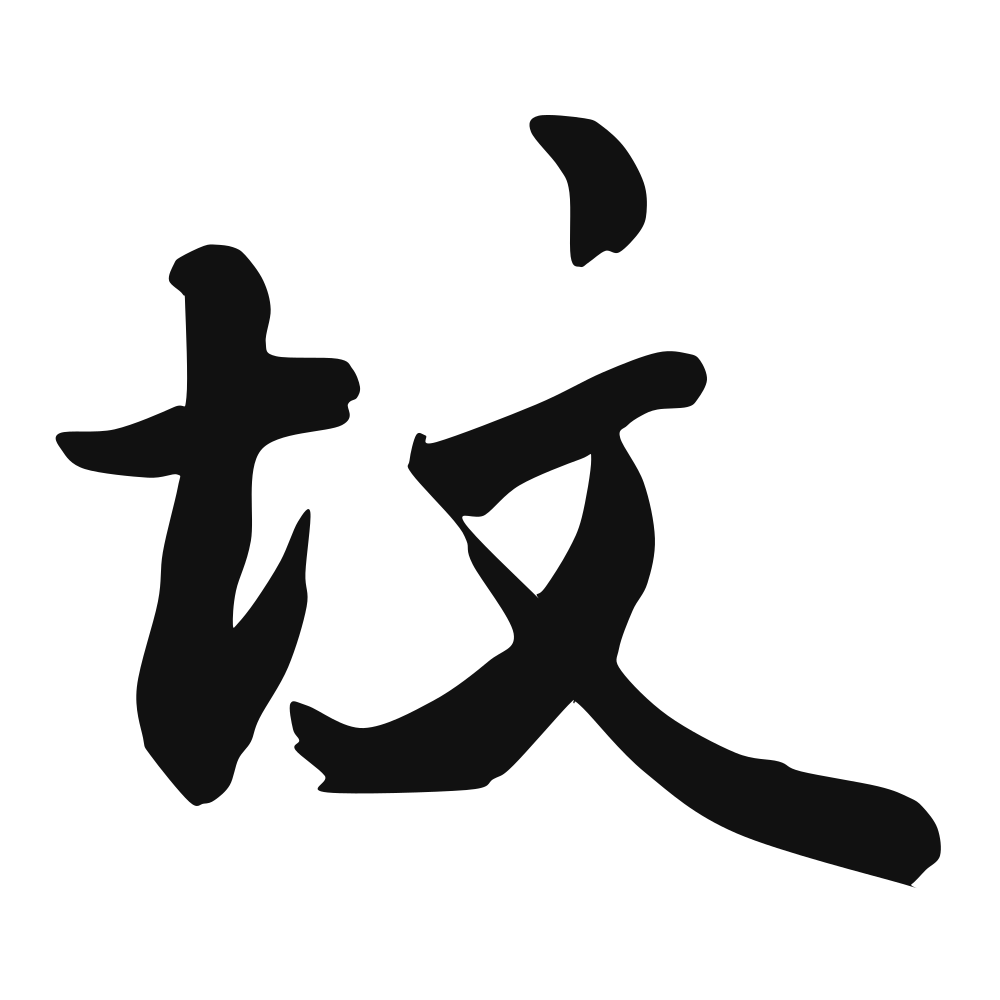
坟
grave; tomb; embankment; mound; ancient book
Closest English meanings
grave·mound·tomb
The Calligrapher — Sòng Kè 宋克
Ming calligrapher foremost in his age for clerical-cursive script.
Ming calligrapher (), master of clerical cursive — known for 《急就章》. Ming dynasty
Cultural Story
:The Book of Rites grades the 坟 by rank — a mound for the lord, a flat patch for the commoner. The Tang poet Du Fu 上坟 for his fallen friends. A 坟茔 on the family plot anchored the lineage's memory. The character is earth and a mound, the body returned to the ground it came from.
Common words & phrases
- 坟墓 grave · tomb
- 坟头 grave mound
- 坟地 graveyard · burial ground
- 上坟 visit grave
- 坟茔 grave · tomb
Read the story behind the character
The 坟墓 on the hill is overgrown with weeds no one clears. The 坟头 gets swept each Qingming with a bamboo broom. The 坟地 borders the new road the county pushed through. Families 上坟 with paper and fruit set by the stone. The old 坟茔 holds the grandfather no one alive remembers. A caretaker tends the 坟 before the spring rain comes.
Why this character belongs on skin
Every love worth having ends in earth. 坟 is the mound that rises where someone we loved was laid down—the grave, the tomb, the small hill that says here, and here no more. Its root is soil, the ground that receives what the living cannot keep. We in the West fence death behind marble and silence, but the character meets it plainly, a hill under open sky. To wear 坟 is not morbidity. It is honesty—a recognition that memory has a geography, a place you return to without moving. The ink becomes a private grave you carry, warmer than stone. It holds the name you won't speak aloud, the loss that shaped the hands you live with now. Death inscribed not to frighten but to witness: that you loved, and the loving left a marker, worn close, forever.
Own this character
Purchase delivers the original SVG of this glyph, brushed by Sòng Kè 宋克, ready to place on skin, paper, or screen.