
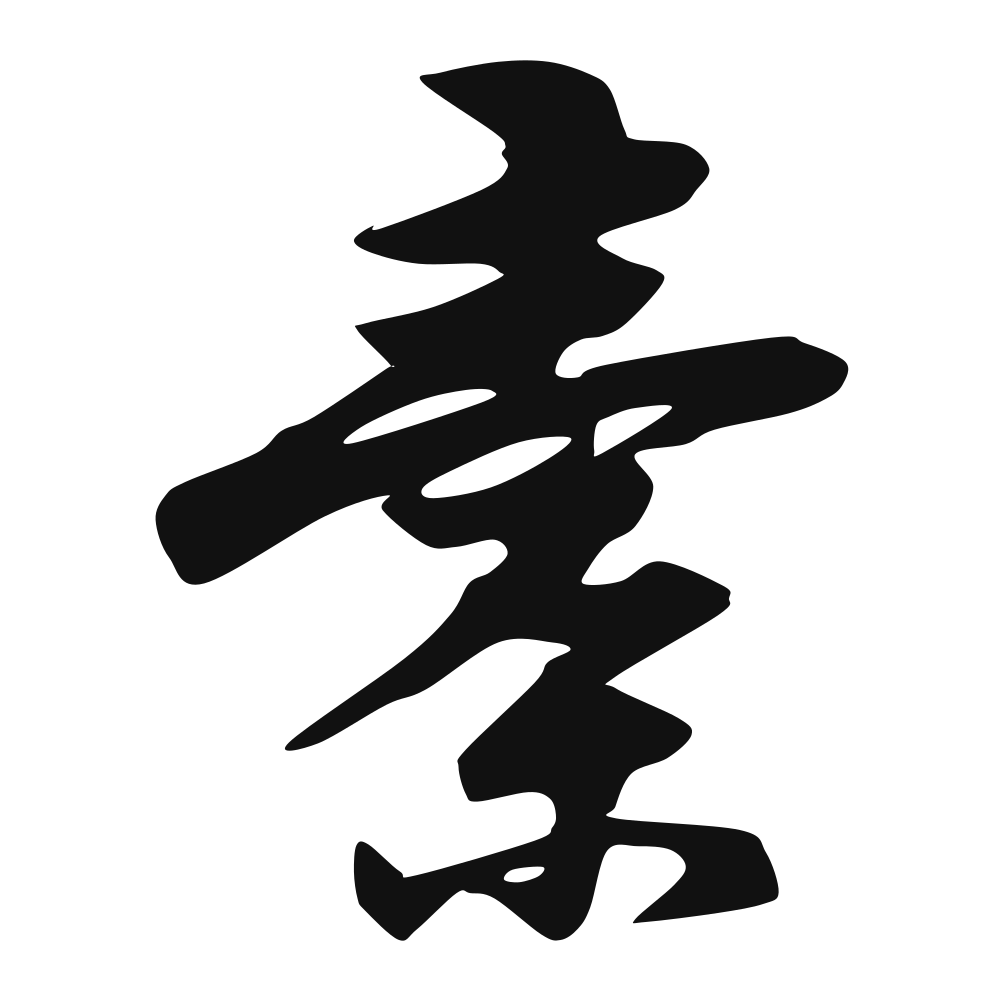
橐
sack; tube open at both ends; (onom.) footsteps
Closest English meanings
sack·bag·bellows
The Calligrapher — Sòng Kè 宋克
Ming calligrapher foremost in his age for clerical-cursive script.
Ming calligrapher (), master of clerical cursive — known for 《急就章》. Ming dynasty
Cultural Story
橐 meant a sack, and by extension the bellows that puff a forge. The philosopher Laozi, in the Daodejing, compared the space between heaven and earth to 橐籥 the bellows and pipes — empty yet forever breathing life into the world. The Shuowen reads 橐 as a bag for storing things, so 囊橐 became a purse or bundle, and 橐驼 was an old name for the camel, the beast that carried such sacks across the deserts.
Common words & phrases
- 橐驼 camel
- 囊橐 purse · bag
- 橐籥 bellows · bellows and pipes
Read the story behind the character
Modern readers meet 橐 mostly in quotations and travel writing: a museum label explains the 橐籥 bellows of a blacksmith, a poet borrows 囊橐 for a traveller's bag, and a documentary calls the 橐驼 camel the ship of the Silk Road. Though we say 骆驼 for camel now, the old 橐 still surfaces in classical lines about emptiness and breath, reminding us that a hollow bag can move the world.
Own this character
Purchase delivers the original SVG of this glyph, brushed by Sòng Kè 宋克, ready to place on skin, paper, or screen.